
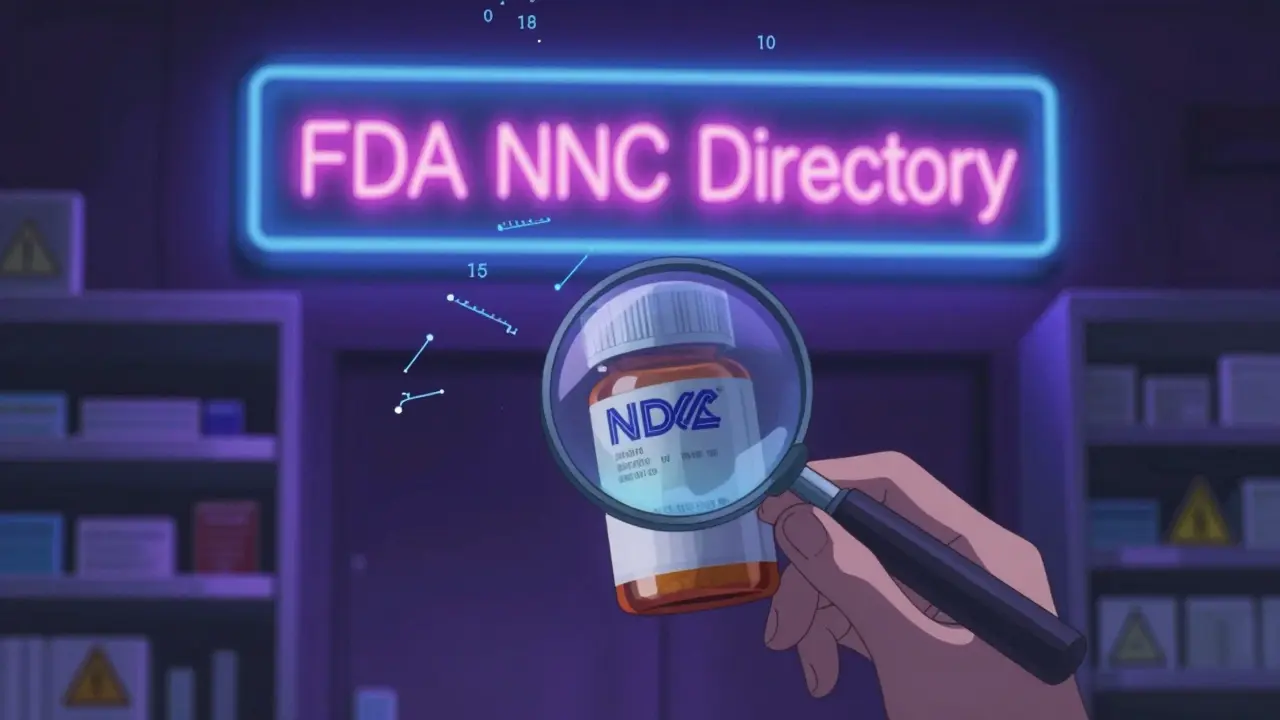
Every year, millions of people take prescription meds without knowing if what they’re holding is real. Counterfeit drugs aren’t just a problem overseas-they’re in the U.S. supply chain too. Fake pills, mislabeled containers, and diluted active ingredients can lead to treatment failure, dangerous side effects, or even death. The good news? The FDA has built a set of public databases that let you check if a medication is legitimate. You don’t need to be a pharmacist or a regulator to use them. You just need to know where to look.
What the FDA Actually Tracks
The FDA doesn’t just approve drugs. It tracks every single prescription medication sold in the U.S. through a system built on the National Drug Code (NDC). This isn’t a simple barcode. It’s a 10- or 11-digit number split into three parts: the labeler code (who makes it), the product code (what the drug is), and the package code (how it’s packaged). Every approved drug has one. Every change in dosage, size, or packaging gets a new NDC. That’s how the system catches fakes.These codes are stored in the NDC Directory, updated every single business day. If a drug isn’t listed here, it’s not legally approved for sale in the U.S. That includes everything from common antibiotics to expensive cancer treatments. You can search it by drug name, NDC, or manufacturer. No login. No fee. Just go to the FDA’s website and type in what you’re looking for.
Who’s Allowed to Make and Distribute Drugs?
A drug might have a real NDC, but if it’s coming from an unregistered facility, it’s still illegal. That’s where the Drug Establishments Current Registration Site comes in. Every company that manufactures, repackages, or distributes prescription drugs in the U.S. must register with the FDA. This includes foreign companies shipping into the country.This database shows you which facilities are active and which have been shut down. If a pill bottle says it’s made by “PharmaGlobal Inc.” but that company doesn’t show up in the FDA’s registry? That’s a red flag. The FDA removes inactive registrations automatically, so the list is kept current. It’s not just about the drug-it’s about who made it.
The DSCSA System: How the Supply Chain Verifies Drugs
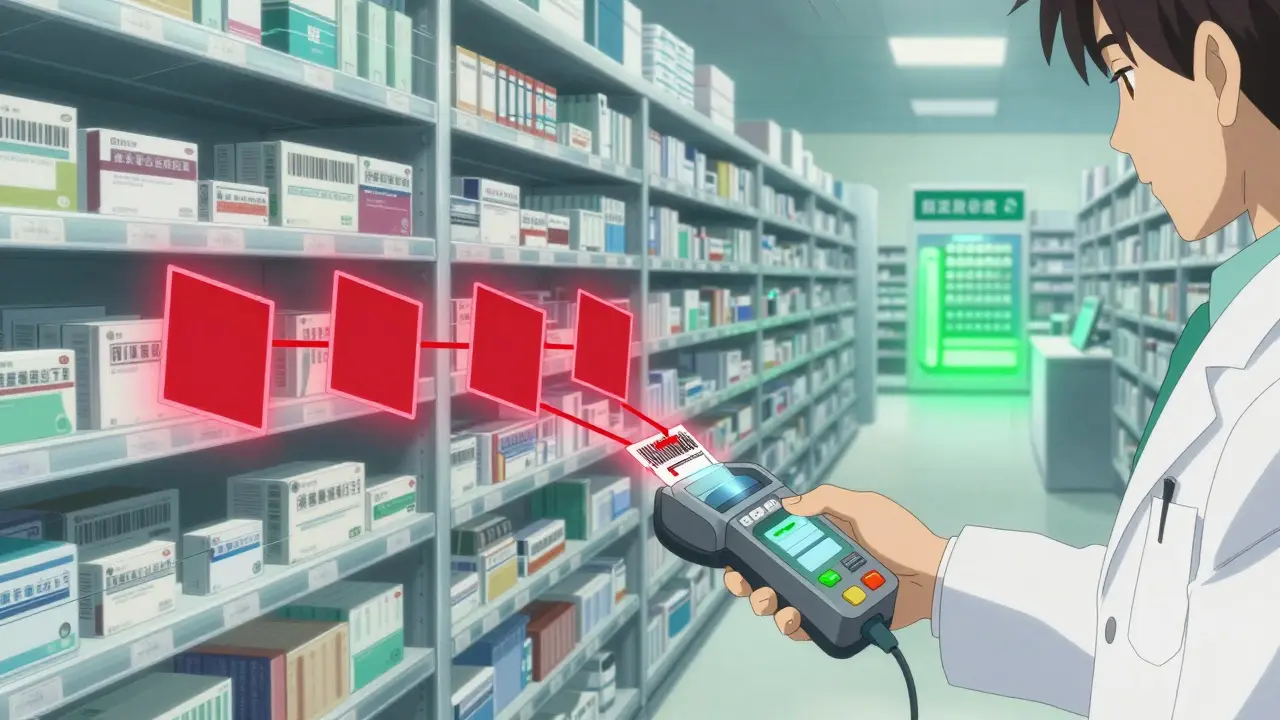
Since November 2023, the Drug Supply Chain Security Act (DSCSA) has required every trading partner in the drug supply chain-manufacturers, distributors, pharmacies-to exchange electronic data about each package of medicine. That means when a pharmacy receives a shipment, it can scan the product identifier and instantly check if it matches what the manufacturer says was shipped.This isn’t just paperwork. It’s real-time verification. If a package doesn’t match, the system flags it. Pharmacies are required to quarantine suspect products within 24 hours and notify the FDA. This system was built because counterfeiters used to slip fake drugs into bulk shipments. Now, each package has a unique digital fingerprint. Even if a fake looks perfect, the system catches it.
How to Use the NDC Directory Like a Pro
You don’t need special software to use the NDC Directory. Here’s how to check a medication you’ve been prescribed:- Find the NDC on the pill bottle or box. It’s usually printed near the barcode.
- Go to the FDA’s NDC Directory at fda.gov/drugs/drug-approvals-and-databases/national-drug-code-directory.
- Enter the full NDC number in the search bar. Don’t guess-copy and paste it exactly.
- Check the results: Is the drug listed? Is the manufacturer name correct? Is the dosage and form (tablet, capsule, injection) matching what you were given?
If you get no results, the drug isn’t FDA-approved. If the manufacturer name looks odd-like “MediCare USA LLC” instead of “Pfizer”-that’s another warning sign. Some fakes copy real names with tiny spelling changes.
Spotting Red Flags Outside the Database
Even if the NDC checks out, look at the physical product. Counterfeiters are getting better, but they still make mistakes:- Spelling errors on the label
- Wrong color, shape, or imprint on the pill
- Packaging that looks cheap, blurry, or different from what you’ve seen before
- Price that’s too good to be true (especially online)
- Pharmacy that doesn’t require a prescription for controlled substances
One real case from 2022 involved fake versions of the blood thinner Eliquis. The NDC matched, but the pills were 20% smaller and had a different imprint. The manufacturer’s website showed the correct size and logo. That’s why you should always compare what you get to the official product images on the manufacturer’s site.
Why Online Pharmacies Are Risky
The FDA warns that 96% of online pharmacies are not legitimate. Many sell counterfeit drugs that look real but contain no active ingredient-or worse, toxic substances like fentanyl or rat poison.Only buy from pharmacies that:
- Require a valid prescription
- Are licensed in your state
- Have a physical address and phone number
- Are verified by the National Association of Boards of Pharmacy (NABP) through VIPPS
Look for the VIPPS seal on the website. Click it. It should link to the NABP’s verification page. If it doesn’t, or if the seal looks blurry, walk away.
What Happens When Fakes Slip Through?
Despite the system, counterfeits still get through. The FDA reports that counterfeit drug incidents rose 18% between 2018 and 2022. Most come from overseas suppliers. Foreign manufacturers aren’t always required to follow the same rules as U.S. ones. Only 35% of foreign facilities fully comply with DSCSA standards.When fakes are found, the FDA issues recalls and alerts. But you don’t have to wait for them. If you suspect a drug is fake, report it to the FDA’s MedWatch program. You can do it online in minutes. Your report helps them track patterns and shut down operations.
What’s Changing in 2026
The FDA is updating the NDC format to a standardized 12-digit system by 2026. This will make it easier to scan, track, and match data across systems. It’s also adding product photos to the NDC Directory so you can compare what you have to the official image.AI tools are being tested to detect anomalies in supply chain data-like sudden spikes in shipments from unknown suppliers or mismatched batch numbers. Early results show these tools catch 99% of fake drugs, compared to 87% with current methods.
Bottom Line: You Have Power
You don’t have to trust a label or a pharmacy. You have access to the same tools the FDA uses. Check the NDC. Verify the manufacturer. Look at the packaging. Report anything suspicious. These databases exist because people like you need to know what’s in their medicine. Use them. It’s not just smart-it’s life-saving.Can I check if my prescription is real using the FDA website?
Yes. Find the NDC number on your medication packaging, then go to the FDA’s NDC Directory. Enter the full number. If the drug appears with the correct manufacturer, dosage, and form, it’s verified. If it doesn’t show up at all, it’s not FDA-approved. Always double-check the details-even small mismatches can mean a fake.
Are all drugs sold in the U.S. listed in the FDA’s databases?
All prescription drugs and most over-the-counter drugs are required to be listed. But some products like compounded drugs, certain dietary supplements, and veterinary medications may not appear. The FDA’s databases cover only regulated pharmaceuticals. If you’re unsure, ask your pharmacist or check with the manufacturer directly.
Why does the NDC format have 10 or 11 digits? Isn’t that confusing?
The NDC used to be formatted differently by each manufacturer, which caused errors. The FDA is fixing this by moving to a uniform 12-digit format by 2026. Right now, the 10- or 11-digit version still works, but you must enter it exactly as printed. Leading zeros matter. If the label shows 00123-456-78, don’t type 123-456-78. Missing a zero can make the system say it’s not found-even if it’s real.
I bought meds online and now I’m worried. What should I do?
Stop taking the medication. Keep the packaging and the NDC number. Check the FDA’s NDC Directory and Drug Establishments site. If the product or manufacturer isn’t listed, it’s likely fake. Report it to the FDA’s MedWatch program immediately. Also, contact your doctor to discuss whether you need medical follow-up. Don’t wait for symptoms-some fakes cause damage before you even notice.
Do pharmacies use these databases to check drugs before giving them to patients?
Yes. Since 2023, pharmacies are legally required to verify each prescription drug using electronic systems linked to manufacturers. They scan barcodes and check against the manufacturer’s data in real time. If something doesn’t match, the system blocks the transaction. This means most counterfeit drugs never reach the patient. But you should still check yourself-because not every pharmacy follows the rules perfectly.
Can I trust drugs from Canada or other countries?
Drugs imported from Canada or other countries aren’t always regulated the same way. Even if they look identical, they may not meet U.S. standards. The FDA doesn’t approve or inspect most foreign suppliers unless they’re officially registered in the U.S. system. If you’re buying from a foreign website, assume it’s risky. Stick to U.S.-licensed pharmacies unless you’re certain the source is legitimate and FDA-compliant.

People still buy meds off Instagram like it’s Amazon Prime? The FDA databases are free and easy but most folks won’t check because they’re too lazy or think it’s ‘overkill’
Then they wonder why they got sick from ‘generic’ Xanax that was just fentanyl powder in a capsule
i read this and thought about my aunt in delhi who buys her diabetes pills from a street vendor. she says they work same as the ones from hospital. but the box looks different. no one tells her how to check. this should be taught in schools. not just for usa. for everyone
Thank you for this. I just checked my blood pressure med and it was listed perfectly. But I had no idea how to find the NDC before. I printed it out and taped it to my pill organizer. My mom’s been on the same meds for 12 years and never checked either. We’re gonna do this together now. Small step but important
The systemic trust we place in pharmaceutical packaging is both a convenience and a vulnerability. The NDC system is elegantly simple in theory, yet its utility remains underutilized by the general public. There is a quiet crisis of awareness here-not of counterfeit drugs per se, but of the citizen’s capacity to verify their own safety. The FDA provides the tools; the onus remains on the individual to seek them out. And too often, they don’t.
Perhaps the real failure isn’t in regulation, but in education.
OMG I JUST FOUND OUT MY ANTIBIOTIC WASN’T IN THE FDA DATABASE AND I TOOK IT FOR 5 DAYS??
WHAT IF I DIED??
WHY DOESN’T THE PHARMACY CHECK THIS??
THEY’RE ALL CORRUPT I SWEAR
MY FRIEND GOT A FENTANYL PILLS FROM CVS LAST YEAR AND THEY SAID IT WAS ‘NORMAL’
WE NEED TO BURN THE WHOLE SYSTEM DOWN
WHO DO I SUE??
the ndc thing is cool but most people dont even know what a barcode is anymore
my grandma thinks the little numbers are for the store to track inventory
and the websites are all clunky
why cant apple just make an app that scans the pill and says real or fake
why do we need all this paperwork
its 2026 soon
Let me just say this-this whole thing is a scam wrapped in bureaucracy and sold with a smile. You think the FDA gives a damn about you? They’re busy getting paid by Big Pharma to look the other way while they push out generics that are 70% filler. I’ve seen the inside of a compounding lab. The NDC is a joke. The ‘verified’ label on that bottle? That’s just a sticker they print after a 10-minute audit.
And don’t even get me started on the DSCSA system. It’s a digital theater. Pharmacies get fined if they don’t scan, so they scan fake data. The manufacturers? They just update the system after the fact. The whole thing’s a house of cards built on trust and corporate bribes.
And now you want me to check the NDC? Great. What if the NDC is real but the drug inside is still toxic? What if the manufacturer is registered but their facility is a warehouse in Guangdong that ships to a ‘distributor’ in Ohio that’s just a PO box?
It’s not about the database. It’s about who controls the database. And you don’t. They do. So keep scanning your pills. It’s cute. It’s comforting. But it’s not safety. It’s placebo.
usa thinks it own the world with its fda but in nigeria we know real medicine when we see it. we dont need your database to know if a pill is fake. we feel it in our bones. you americans are too soft. you trust machines and websites. we trust our elders. our pharmacies are not perfect but we know who to avoid. you think your system is better? look at your opioid crisis. look at your drug prices. you dont need to check ndc. you need to stop being so gullible. this post is just another way for you to feel safe while the real problem is your greed and your laziness