
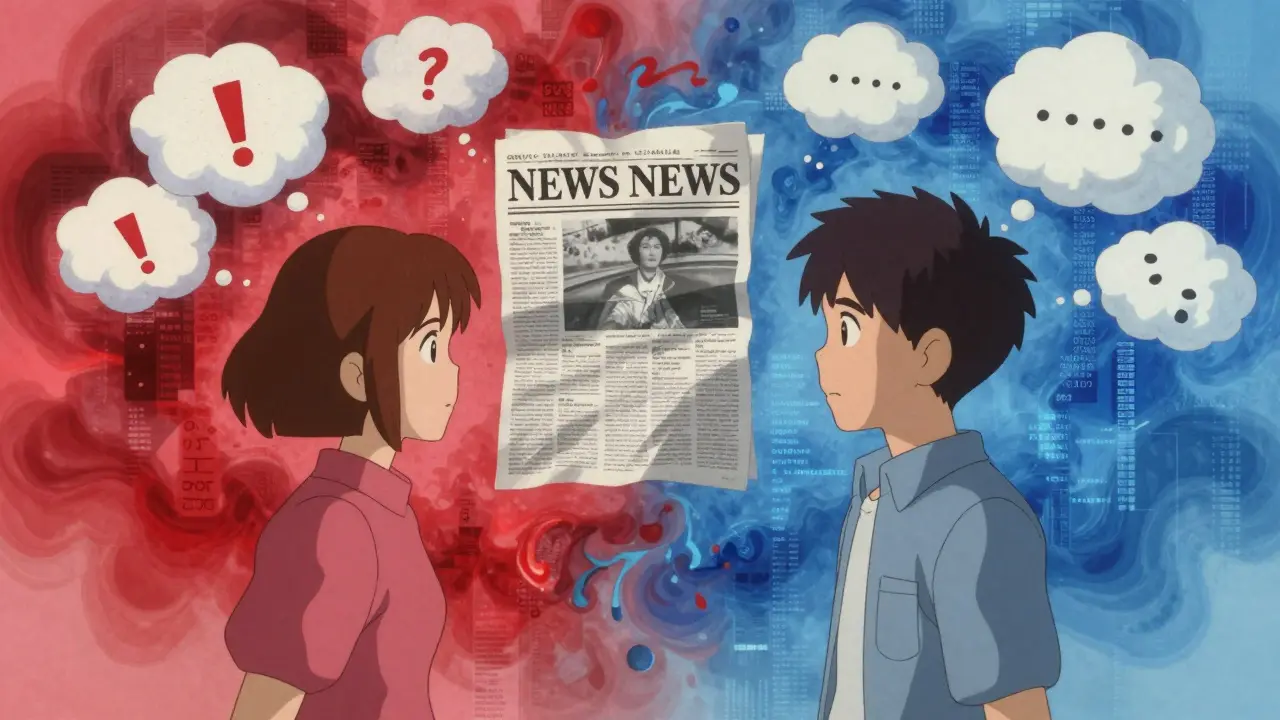
Ever noticed how someone can look at the exact same news story and walk away with completely opposite beliefs? Or how a manager will credit their team’s success to their own leadership, but blame a missed deadline on "uncooperative staff"? This isn’t just disagreement-it’s cognitive bias in action. These aren’t flaws in character. They’re automatic mental shortcuts your brain uses every single day to make sense of the world. And they’re quietly twisting how you respond to everything-from a text message to a medical diagnosis.
Why Your Brain Loves Quick Answers
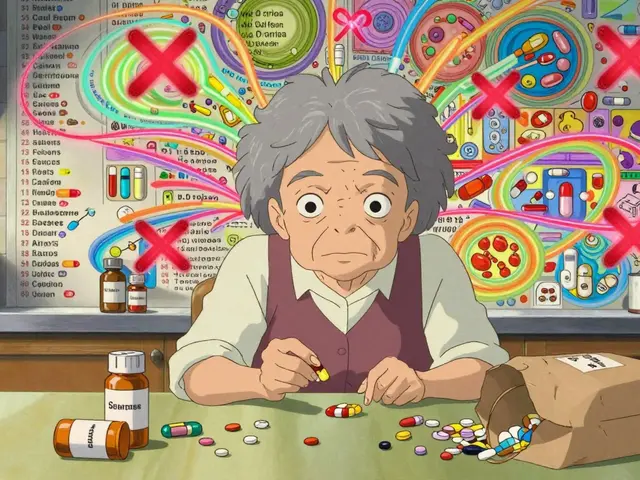
Your brain didn’t evolve to be logical. It evolved to survive. Back in the savannah, spotting a rustle in the grass and assuming it was a lion-even if it was just the wind-saved your life. Missing the lion? That didn’t. So your brain developed shortcuts: heuristics. These are mental rules of thumb that let you react fast without overthinking. The problem? Modern life doesn’t work like the savannah. Now, those same shortcuts lead to errors in judgment, especially when your beliefs are involved.Take confirmation bias. It’s the tendency to notice, remember, and believe information that supports what you already think. If you believe vaccines are dangerous, you’ll scroll past studies showing their safety and latch onto a single blog post claiming side effects. Your brain doesn’t reject the new info because it’s false-it rejects it because it doesn’t match your story. And the science backs this up: fMRI scans show that when people encounter conflicting beliefs, the part of the brain responsible for logic (the dorsolateral prefrontal cortex) actually shuts down. Meanwhile, the emotional center lights up. You’re not being stubborn. Your brain is literally rewiring itself to protect your worldview.
How Beliefs Turn Generic Responses Into Distorted Ones
When you’re asked a simple question-"Do you think this policy will help?"-you don’t pause to weigh evidence. You answer based on what you already believe. That’s why two people can hear the same speech and walk away thinking it was either brilliant or dangerous. The words didn’t change. Their beliefs did.Consider the false consensus effect. You like spicy food? You assume most people do. You hate small talk? You think everyone else finds it awkward too. A 1987 study found people overestimate how much others agree with them by over 32 percentage points on average. That’s not just misjudgment-it’s a distortion of reality. And it happens in workplaces, families, even online forums. You post an opinion, get a few likes, and suddenly you think you’ve got the majority on your side. You don’t. You just have people who think like you.
Then there’s the fundamental attribution error. When your coworker is late, you think, "They’re lazy." When you’re late, it’s "traffic was insane." You give yourself the benefit of the doubt, but not others. In one study, people judged others’ failures as 4.7 times more personal than their own. That’s not fairness. That’s bias. And it’s why team conflicts spiral. People aren’t mad at the action-they’re mad at the belief behind it.
Real-World Consequences You Can’t Ignore
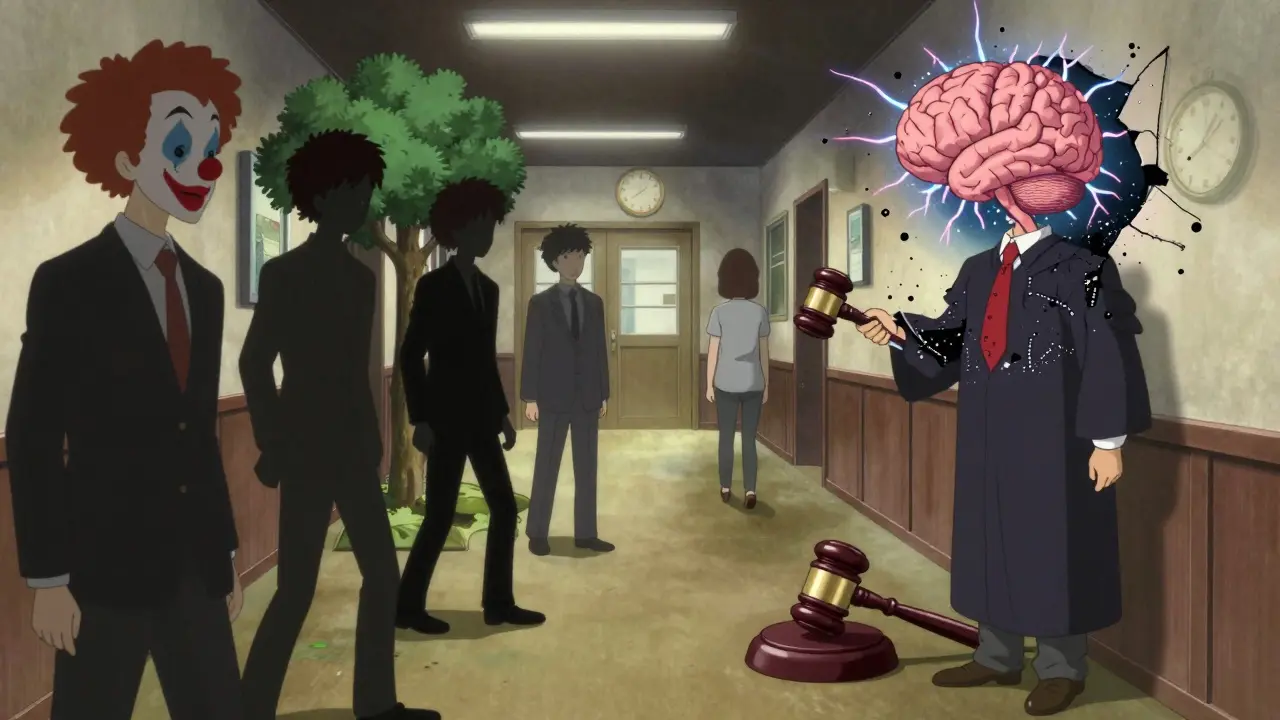
This isn’t just about arguments on social media. Cognitive biases cost lives, money, and trust.In healthcare, confirmation bias leads to misdiagnoses. A doctor who believes a patient has anxiety might overlook heart symptoms because they fit the expected pattern. Johns Hopkins Medicine found that 12-15% of adverse medical events stem from these kinds of thinking errors. That’s not malpractice. It’s automatic thinking.
In courtrooms, eyewitnesses are 69% more likely to misidentify suspects because their expectations shaped their memory. The Innocence Project has shown this repeatedly. A person remembers what they believe they saw-not what actually happened.
And in finance? Retail investors who believe the market will keep rising (optimism bias) consistently lose money. A 2023 study tracking 50,000 investors found those who underestimated their risk by 25% or more earned 4.7 percentage points less annually than those who stayed realistic. They weren’t bad at math. They were trapped by their belief that "this time is different."
Why You Think You’re Not Biased (But You Are)
Here’s the kicker: almost everyone thinks they’re less biased than others. A 2002 Princeton study found that 85.7% of people rated themselves as more objective than their peers. That’s impossible. Statistically, half of you are lying to yourself.Dr. Mahzarin Banaji’s Implicit Association Tests show that 75% of people hold unconscious biases that contradict their stated values. Someone who proudly says, "I treat everyone equally," might still react slower to images of Black faces paired with positive words than white faces with positive words. Their brain is making associations they don’t even know exist.
This is called the bias blind spot. And it’s the biggest barrier to fixing bias. You can’t correct something you refuse to see. That’s why training programs fail. If you walk into a workshop thinking, "This is for other people," you’re already biased against the solution.
How to Catch Your Own Biases-Before They Catch You
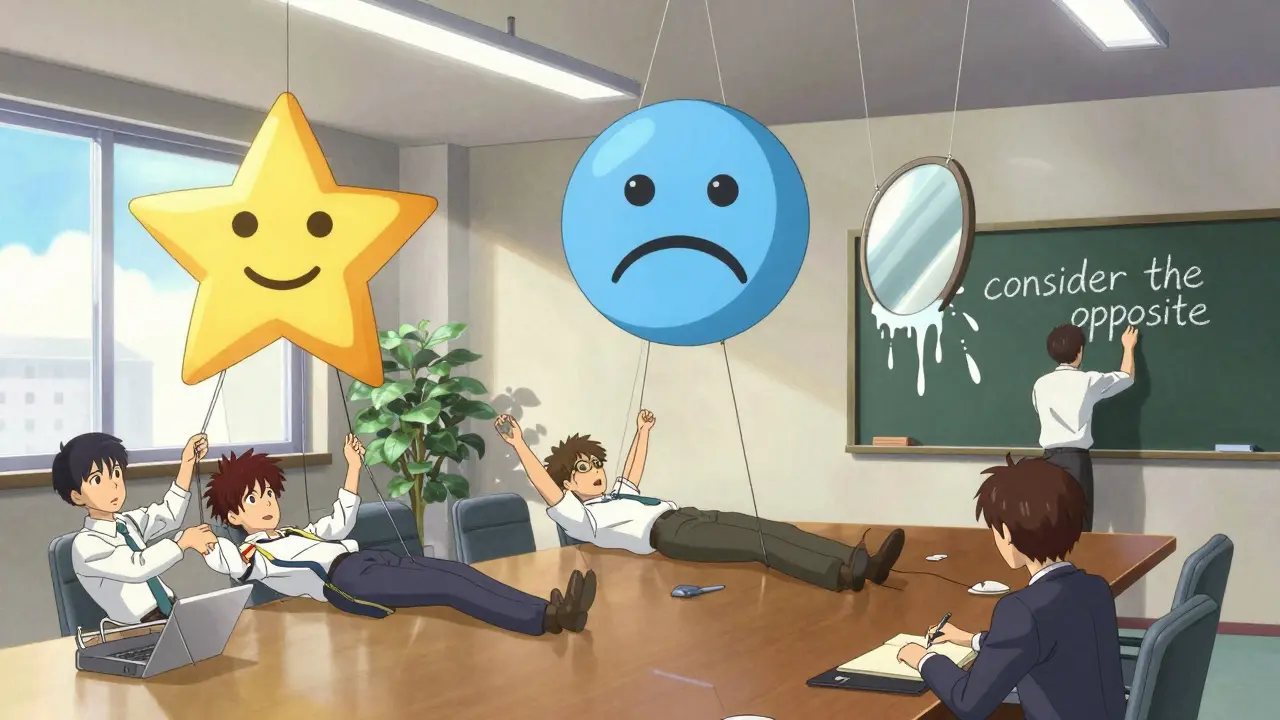
You can’t turn off your brain’s shortcuts. But you can slow them down.One proven method: "consider the opposite." Before you make a judgment, ask yourself: "What evidence would prove me wrong?" Write it down. Force yourself to list three reasons your belief might be flawed. University of Chicago researchers found this cuts confirmation bias by nearly 38%.
Another: use checklists. In hospitals, doctors who were required to list three alternative diagnoses before finalizing a call reduced diagnostic errors by 28%. It’s not about being thorough. It’s about interrupting the automatic response.
For teams, build a "devil’s advocate" role into meetings. Rotate who plays it. Don’t let the loudest voice set the tone. Let someone deliberately challenge the group’s assumptions. Companies that do this report 22.7% better decision quality, according to McKinsey.
And if you’re serious about change, try feedback tools. IBM’s Watson OpenScale monitors how AI systems respond to user input and flags when language patterns suggest bias. The same principle applies to humans. Record yourself in meetings. Watch the videos. Notice how often you interrupt, dismiss, or assume. The discomfort you feel watching yourself? That’s your bias showing up.
The Future Is Already Here
This isn’t just psychology-it’s becoming policy. The European Union’s AI Act, effective February 2025, requires all high-risk AI systems to be tested for cognitive bias. Google’s "Bias Scanner" analyzes over 2.4 billion queries a month to flag belief-driven language. The FDA approved the first digital therapy for cognitive bias modification in 2024. Even high schools in 28 U.S. states now teach cognitive bias literacy.These aren’t gimmicks. They’re responses to a growing crisis. The World Economic Forum estimates cognitive bias costs the global economy $3.2 trillion a year in poor decisions. That’s more than the GDP of most countries.
But here’s the hopeful part: change is possible. People who practice bias-reduction techniques for 6-8 weeks show measurable improvements. Their responses become less automatic, more thoughtful. They start asking questions instead of making assumptions. They listen more. They judge less.
It’s not about becoming perfect. It’s about becoming aware. Your beliefs aren’t bad. But they’re not neutral. They’re filters. And if you don’t check them, they’ll shape your reality-even when it’s wrong.

lol so the brain is a heuristic machine? groundbreaking. i’ve been saying this since i read Kahneman in 2017. the real bias is believing this is new info. also fMRI scans? cute. we all know neuroscientists just slap labels on brain blobs now. next they’ll say dopamine causes capitalism.
Oh wow, so *Americans* are the only ones who think they’re biased? That’s rich. In my country, we don’t need fancy studies to know our brains work better. We built the internet, landed on the moon, and still have functional public schools. Meanwhile, Europe’s writing laws about AI bias like it’s 2024 and we’re all still in kindergarten. 🇺🇸💪
man i read this whole thing and i just wanna hug my brain. it’s been tryin so hard to keep me alive since i was 5, even when i thought that one guy at work was mad at me but really he just had a bad night. i mean, yeah i overestimate how much people like spicy food (i put ghost pepper in my ramen and no one else did) but hey, at least i’m not the one who thinks traffic is always my fault. also typo sorry i’m typing on my phone and my thumbs are tired 😅
So the solution is to write down three reasons you’re wrong? That’s it? No wonder the world’s falling apart. People don’t want to think. They want to feel right. This whole post is just liberal guilt dressed up as science. I’ll stick to my gut.
interesting 🤔 i wonder if this applies to how we think about bias itself? like… are we biased about being biased? 🤯
Of course you’re biased. Everyone is. But you? You’re the one who thinks writing a checklist will fix it. Honey, you can’t out-logic your ego. You’re not a robot. You’re a human who believes they’re above the mess. 😏
Really appreciate this breakdown. The part about doctors missing heart symptoms because they assumed anxiety? That’s terrifying but so true. I’ve seen it in my family. The ‘consider the opposite’ method actually works-if you’re willing to sit with discomfort. Small habit changes, like pausing before replying to a text, make a huge difference over time.
so i read this in a coffee shop in toronto and i just wanna say… our brains are wild. like, imagine your ancestors running from lions and now you’re arguing with your cousin on reddit about whether pineapple belongs on pizza. same mental glitch. i think we need more stories, less studies. we’re wired for connection, not spreadsheets. 🇨🇦
the devil's advocate thing in meetings? genius. i tried it at work last month. my boss was so annoyed at first but then he admitted he’d been wrong about the client’s needs. we saved the project. also typo: 'reprot' not 'report' oops 😅
man i used to think i was the only one who overthought everything. turns out my brain’s just doing its job. now i just pause before replying to texts. if i feel myself getting defensive? i take a breath. not because i’m ‘fixed’-but because i’m learning. also i still think pineapple belongs on pizza. fight me.
It is indeed a profound observation that cognitive biases are systemic and not merely individual failings. The global economic ramifications, as delineated by the World Economic Forum, are both quantitatively staggering and qualitatively alarming. One must therefore approach the mitigation of such biases with a rigorously structured, institutionally embedded framework, rather than relying on ad hoc psychological interventions. The EU AI Act, while commendable, remains insufficient without mandatory bias audits across all public and private sector decision-making pipelines.
bro this made me cry a little. not because i’m perfect but because i finally get it. i used to think people were just being rude when they disagreed. turns out we’re all just stuck in our own mental loops. i started asking ‘what if i’m wrong?’ before i post on reddit. it’s weird. but it’s helping. also i still think cats are better than dogs. 😊