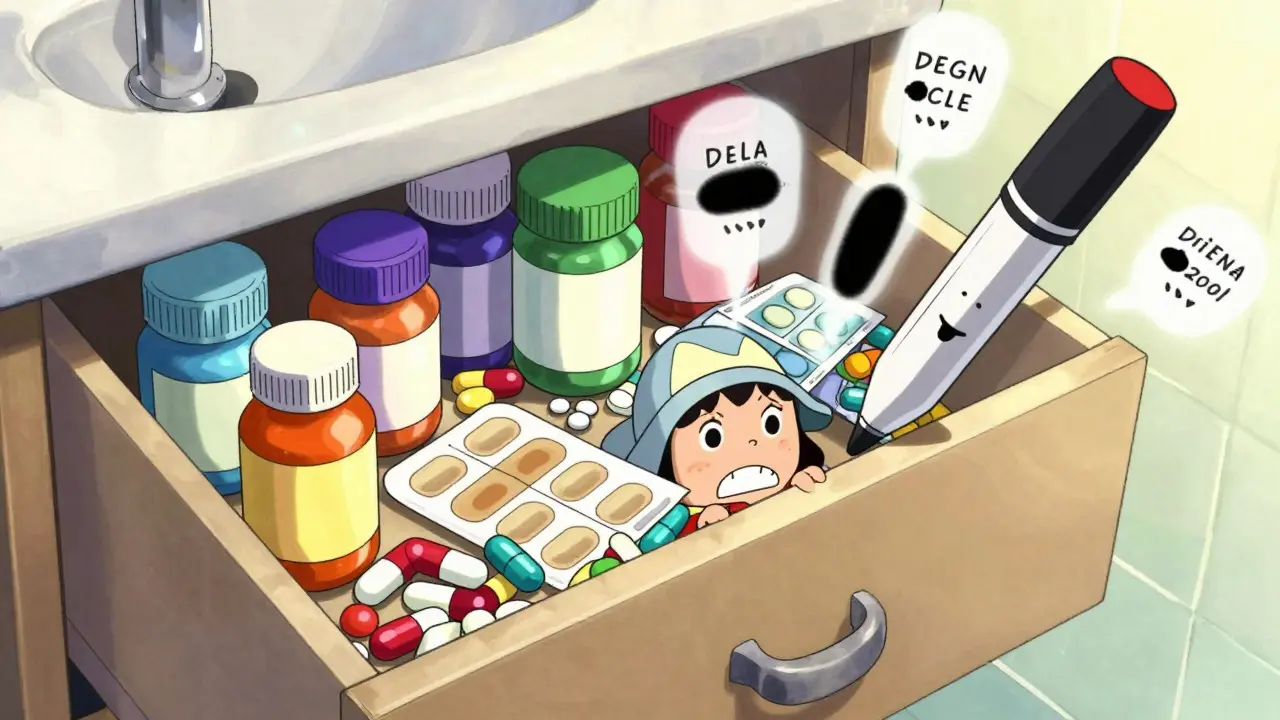
You look at that drawer in your bathroom cabinet. It’s full of half-empty bottles, expired patches, and pills from a cold you had three years ago. You know you shouldn’t keep them, but flushing them feels wrong, and throwing them in the trash seems risky. What do you actually do?
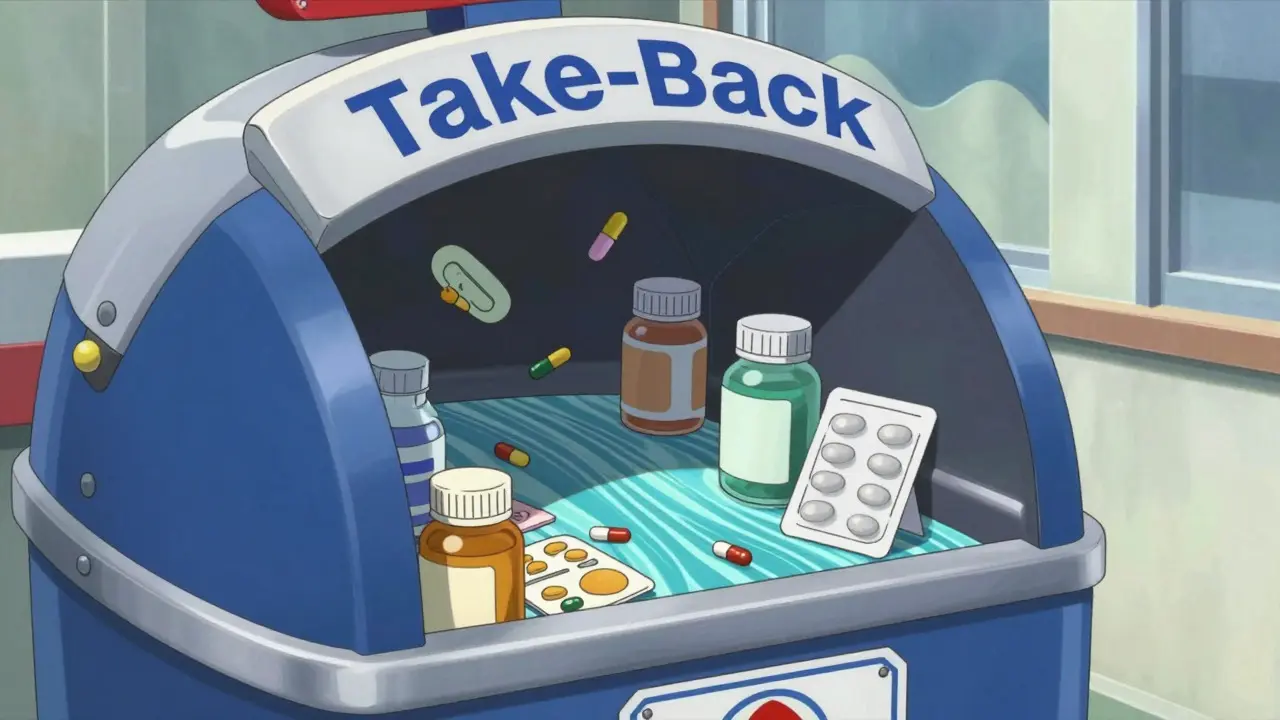
Most people want to get rid of these drugs safely, but they don't know the rules. The good news is that take-back events are organized collection days or permanent sites where you can drop off unused or expired medications for safe destruction. These programs exist to stop drugs from ending up in our water supply or being misused by others. But there is a catch: if you don’t prepare your meds correctly, staff might turn you away.
This guide cuts through the confusion. We’ll walk you through exactly how to package your meds, what information to hide, and which items are banned. By the time you finish reading, you’ll be ready to drop off your stash without a hitch.
Why Preparation Matters More Than You Think
It’s not just about tossing pills into a bin. The system relies on privacy protection and environmental safety. When you hand over a bottle with your name, address, and prescription number clearly visible, you risk identity theft or unauthorized access to your medical history. According to guidelines updated by the FDA in June 2023, protecting this data is mandatory at most authorized sites.
There’s also the environmental angle. Flushing medications contributes to pollution in 80% of U.S. streams, according to studies by the USGS. Proper preparation ensures that when these drugs are incinerated-which is how companies like Stericycle handle the waste-they don’t leak chemicals before they reach the furnace. In 2024 alone, over 29,800 tons of pharmaceutical waste were safely destroyed this way. Your careful prep helps make that process efficient.
Step-by-Step: How to Pack Your Meds
Getting your medications ready takes less than five minutes. Follow these steps to ensure your drop-off goes smoothly:
- Strip the personal info. Use a permanent marker to black out your name, address, pharmacy details, and prescription numbers on every label. If the label is too small or curved to write on, peel it off completely. This is the single most important step. Dr. Sarah Wakeman from Massachusetts General Hospital notes that hiding this info prevents prescription data from falling into the wrong hands.
- Keep them in original containers. About 92% of collection sites prefer or require meds to stay in their original plastic bottles or boxes. This keeps things organized and makes it easier for staff to verify what they are accepting. If you have loose pills, put them in a sealed zip-lock bag or a small plastic container.
- Don’t mix prescriptions. Try to keep different medications separate. While some sites accept mixed bags, many-especially those run by the Military Health System-require each prescription to be kept distinct. It’s safer to keep them apart unless you’re sure the site allows mixing.
- Handle liquids carefully. Liquid antibiotics or syrups must be in their original container with the cap tightly secured. If the original cap is lost, use a secure seal. Washington State’s health department specifically warns against leaking containers, as they can contaminate other items during transport.
- Fold patches correctly. Transdermal patches (like nicotine or pain relief patches) still contain active drug even after use. Fold them adhesive-side-in so the sticky part doesn’t touch anything. This is required by 100% of collection sites per FDA guidance.
What You Can and Cannot Drop Off
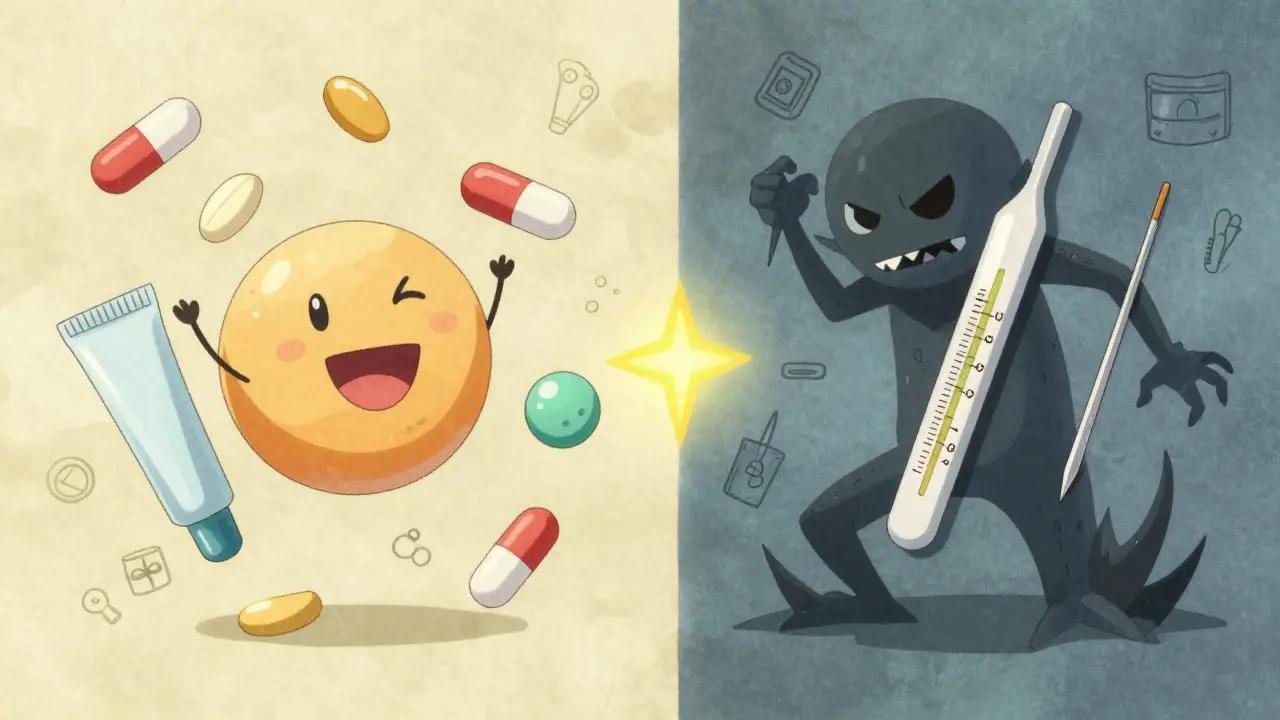
Not everything goes in the bin. Knowing the difference saves you a wasted trip. Here is a breakdown of what is typically accepted and what gets rejected.
| Accepted Items | Prohibited Items |
|---|---|
| Pills and capsules (prescription and OTC) | Hydrogen peroxide |
| Liquid medications (in sealed original containers) | Compressed gases (e.g., asthma inhalers) |
| Transdermal patches (folded adhesive-side-in) | Aerosols |
| Ointments and creams | Iodine-containing medications |
| Vitamins and supplements | Thermometers (contain mercury) |
| Pet medicines | Illicit drugs |
| Controlled substances (e.g., opioids, stimulants) | Sharps (needles/syringes) - unless specified |
Notice the prohibited list? Aerosols and compressed cylinders are dangerous because they can explode in incinerators. Mercury thermometers need special hazardous waste handling. And illicit drugs are generally outside the scope of these public health programs, though policies vary by state.
Where to Find a Collection Site
You don’t always have to wait for a national event. The DEA launched its "Every Day is Take Back Day" initiative in January 2024, meaning thousands of sites accept meds year-round. There are over 16,500 authorized collection locations across the U.S.
Your best bets are usually:
- Local Police Stations or Sheriff’s Offices: Many have permanent drop-boxes outside their doors. These are often open 24/7.
- Pharmacies: Chains like Walgreens and CVS have kiosks in over 2,300 and 4,000 stores respectively. Their protocols are simple: bring your unwanted meds, and they handle the rest. Just remember to redact your info first.
- Hospitals and VA Centers: These facilities often have dedicated disposal bins and staff who can help you prepare tricky items like insulin pens.
To find one near you, use the DEA’s online locator tool. Data shows that 71% of the U.S. population lives within five miles of a permanent collection site. If you’re rural, check with your county health department; they may host periodic drives.
Common Mistakes That Get You Rejected
Even well-meaning people mess this up. A 2023 Consumer Reports survey found that 37% of participants had their meds rejected due to misunderstood protocols. Here are the top pitfalls to avoid:
- Incomplete Redaction: Leaving your name partially visible is the #1 reason for rejection (41% of cases). Black it out completely.
- Leaking Liquids: If a liquid med isn’t sealed tight, staff will refuse it to prevent contamination. Double-check caps.
- Mixing Sharps with Pills: Needles and syringes are considered "sharps" and often require a separate hard-sided container. Don’t throw them in the general pill bin unless the sign explicitly says so.
- Bringing Illicit Substances: Unless your local police station has a specific amnesty program, regular take-back bins are for legal pharmaceuticals only.
If you’re unsure, call the site ahead of time. Rural locations tend to have stricter or more inconsistent rules, so verification is key.
What Happens After You Drop Them Off?
Once you leave your bag or bottle at the site, it enters a secure chain of custody. Authorized collectors transport the waste to licensed treatment facilities. There, the medications are typically incinerated at high temperatures, breaking down the chemical compounds so they can’t harm the environment or be recovered for misuse.
This process is regulated under the Secure and Responsible Drug Disposal Act. It’s designed to be foolproof. You don’t need to worry about someone digging through the bin later-the bins are locked and monitored. The goal is to remove these drugs from circulation entirely.
Do I need to keep my medications in their original bottles?
While not strictly required everywhere, 92% of authorized collection sites prefer or require original containers. It helps staff identify the medication and ensures proper handling. If you don’t have the original bottle, place pills in a sealed zip-lock bag or small plastic container and clearly label what they are (if possible), but always redact personal info.
Can I flush my medications instead of using a take-back event?
Generally, no. The FDA advises against flushing unless the medication specifically carries a "flush warning" on its label (usually for highly potent opioids). Flushing contaminates waterways. Take-back events are the safest option for the vast majority of drugs.
Are take-back events free?
Yes. All DEA-authorized take-back sites and permanent collection kiosks (like those at pharmacies and police stations) are free for the public. You never have to pay to dispose of unused medications.
What should I do with empty medicine bottles?
Empty plastic bottles can usually be recycled with your household plastics. However, if they still contain residue or labels with personal info, it’s better to destroy the label and recycle the clean plastic. Glass vials should go in the trash unless your local recycling center accepts them.
How often are take-back events held?
Since the DEA's "Every Day is Take Back Day" initiative, many sites operate permanently. However, large-scale community events often happen twice a year, typically in April and October. Check your local police department or pharmacy website for specific dates if you’re looking for a major drive.
Can I drop off pet medications?
Yes. Most DEA-authorized sites accept veterinary medications, including flea/tick treatments and antibiotics. Prepare them the same way: remove personal info and keep them in original containers or sealed bags.