
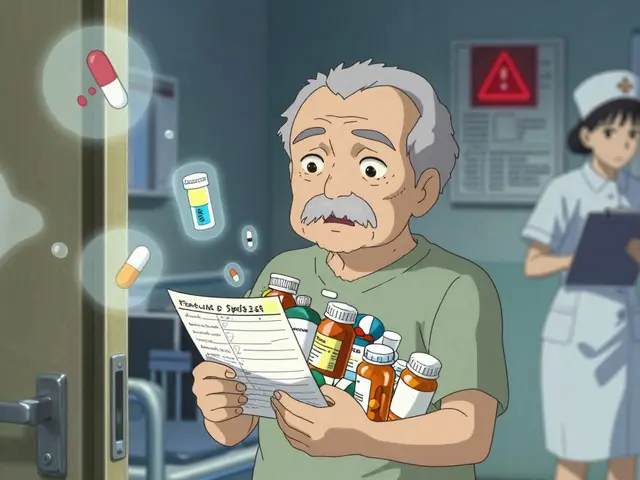
The goal is simple: get the right drug, in the right dose, at the right time. But achieving that requires more than just following a label. It involves a coordinated effort between you, your doctor, and your pharmacist. When these three players communicate clearly, the chances of a dangerous error drop drastically.
The Danger of Medication Errors
A Medication Error is any preventable event that may cause or lead to inappropriate medication use or patient harm . These aren't always the result of a doctor's mistake; often, they happen during "care transitions," such as when you move from a hospital stay to home care. In fact, about 50% of errors occur during these transitions because a complete medication history wasn't shared between providers.
Common pitfalls include:
- Look-alike/Sound-alike drugs: Some medications have names so similar that they're easily confused. For example, patients have mistakenly swapped glimepiride for glyburide, both used for diabetes, leading to dangerous blood sugar crashes.
- Missed doses: Roughly 29% of adults report missing doses annually, which can render treatments ineffective-especially antibiotics, where premature discontinuation leads to a 23% failure rate.
- Double-dosing: Forgetting you already took a pill and taking another can lead to toxicity or overdose.
Certain drugs are classified as "high-alert," meaning they carry a higher risk of causing significant harm if used incorrectly. These include Insulin, Warfarin, and Heparin. If you are prescribed any of these, your level of vigilance needs to be even higher.
Mastering the Art of Medication Reconciliation
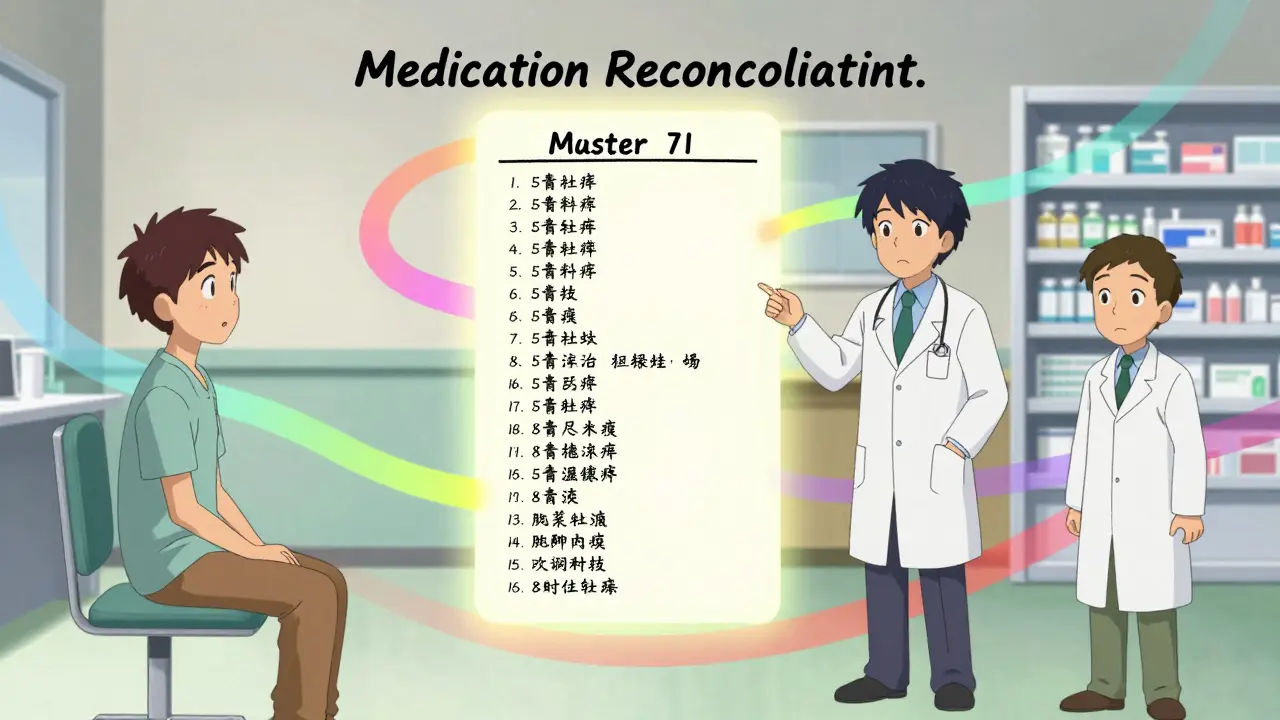
One of the most effective ways to stay safe is through Medication Reconciliation, which is the process of creating the most accurate list possible of all medications a patient is taking. This isn't just for the doctor; it's a tool for you to ensure nothing is duplicated or contradicting.
To do this properly, you shouldn't just list your prescriptions. A complete list must include:
- All prescription drugs (including the dosage and frequency).
- Over-the-counter (OTC) medications like aspirin or ibuprofen.
- Vitamins, minerals, and herbal supplements.
- The reason why you are taking each one.
Studies show that when a pharmacist handles this reconciliation in a hospital setting, adverse events drop by 20-45%. Since pharmacists are the "last line of defense," they can spot a dangerous interaction that a general practitioner might miss. Always bring your full list to every single appointment-don't rely on the doctor's office to have the most current version in their computer.
| Approach | Typical Error Rate | Key Benefit | Main Weakness |
|---|---|---|---|
| Passive (Following Labels Only) | High | Low effort | High risk of missed doses/confusion |
| Active (Personal Med List) | Moderate | Better coordination between doctors | Requires consistent manual updating |
| Systemic (Pharmacist-Led Recon) | Low | Up to 45% reduction in adverse events | Requires access to professional services |
Asking the Right Questions
You should never leave a pharmacy or a doctor's office feeling unsure about a medication. The FDA (Food and Drug Administration) suggests eight critical questions you should ask for every new drug. If you don't have the answers to these, you aren't fully equipped to use the drug responsibly.
- What is the name of the medication? (Get both the brand and generic name).
- What are the active ingredients? (This helps prevent taking two different brands of the same drug).
- What is the purpose of this drug? (Know exactly what it's treating).
- How exactly should I take it? (Dosage, timing, and whether to take it with food).
- What does the medication look like? (Helps you spot a dispensing error immediately).
- When does it expire? (Expired meds can be ineffective or dangerous).
- What are the potential side effects? (Know what's "normal" and what's an emergency).
- Are there any contraindications? (Does it react poorly with other meds, supplements, or specific foods?).
When your provider explains these to you, ask if you can use the "teach-back" method. This is where you explain the instructions back to them in your own words. Research indicates that patients who use this method have 40% better medication adherence because it clears up misunderstandings instantly.
Practical Strategies for Daily Use
Managing one pill a day is easy. Managing five or more is a different story. People taking five or more medications are 3.2 times more likely to make an error. To combat this, you need a system that removes the guesswork.
Try these concrete habits:
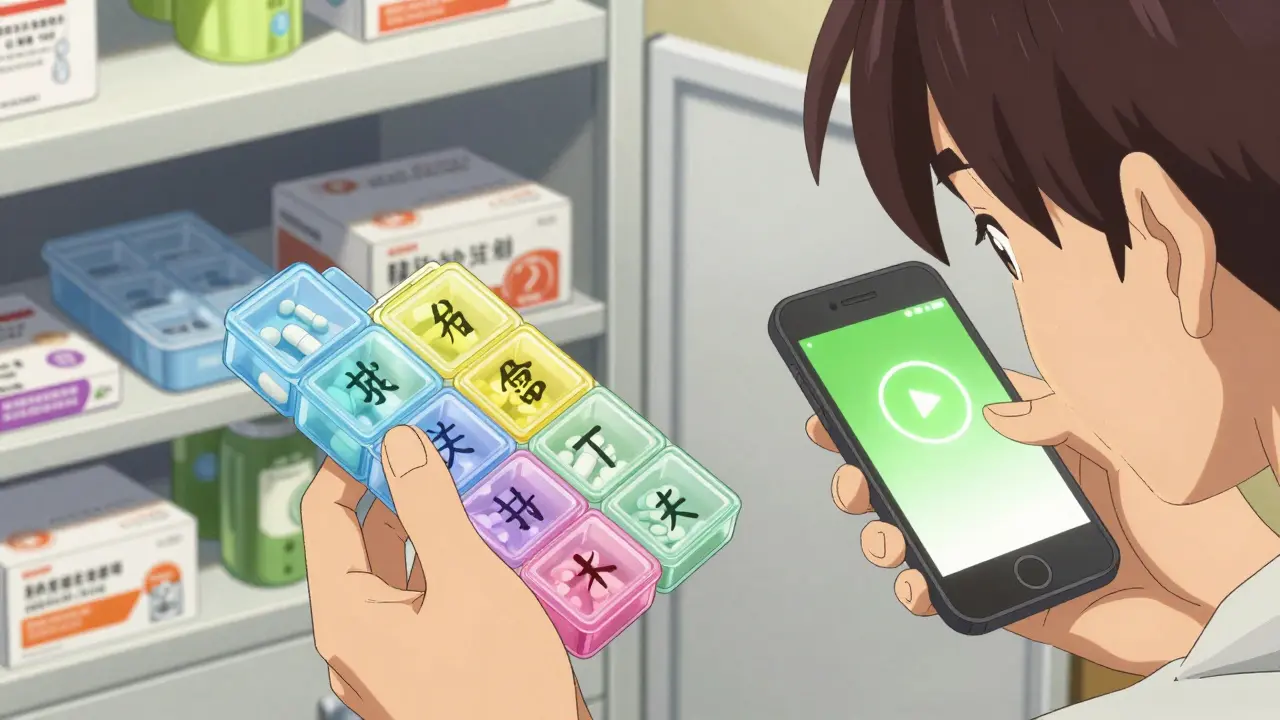
- Use a Pill Organizer: These simple plastic containers can reduce errors by 35%, especially for older adults. It gives you a visual confirmation that you've taken your morning dose.
- Set Smartphone Reminders: Don't rely on memory. Use alarms or dedicated medication apps to prompt you at the exact time of day.
- Visual Verification: Every time you get a refill, compare the appearance of the new pills to the old ones. If the color or shape has changed without warning, call the pharmacist.
- Cabinet Clean-outs: Every six months, clear out expired medications. This is vital for households with children, as expired drugs account for 38% of accidental pediatric poisonings.
Remember the "5 Rights" of medication administration. Before every dose, verify the right patient (yourself), the right drug, the right dose, the right route (e.g., oral vs. topical), and the right time.
The Role of Professional Support
Your pharmacist is more than just a person who puts pills in a bottle; they are clinical experts in drug interactions. Patients who actively consult their pharmacists about new prescriptions see 27% fewer administration errors. If you're confused about a dosage or a side effect, the pharmacist is often the fastest and most accessible resource.
In recent years, we've seen a rise in telehealth, which has unfortunately led to a 200% increase in medication errors due to lack of physical oversight. If you are using a telehealth service, be extra diligent about your medication list and double-check all digital prescriptions before they are sent to the pharmacy.
What should I do if I miss a dose of my medication?
Do not automatically double the next dose to "catch up," as this can lead to toxicity. Instead, refer to the patient information leaflet that came with your medication or call your pharmacist immediately. They can tell you whether to take the missed dose now or wait until the next scheduled time based on the drug's half-life and potency.
Is it safe to take vitamins and supplements with my prescription drugs?
Not always. Many supplements can either block a medication from working or amplify its effects to a dangerous level. For instance, certain vitamins can interfere with blood thinners like warfarin. You must include all supplements on your medication reconciliation list so your doctor can check for potential interactions.
Why do some medications have weirdly capitalized names like predniSONE?
This is called "Tall Man Lettering." It is a safety strategy used to distinguish between look-alike/sound-alike drug names. By capitalizing the parts of the names that are different, it helps pharmacists and nurses spot the difference quickly, reducing dispensing errors by about 28%.
How often should I update my medication list?
You should update your list every single time a medication is changed, added, or removed. At a minimum, review and verify your list at every single healthcare visit, including appointments with specialists or dentists, as some common procedures can interact with your current meds.
What are the signs of an adverse drug event (ADE)?
ADEs can range from mild side effects to severe allergic reactions. Watch for unexpected rashes, swelling, sudden dizziness, or a significant change in how you feel shortly after starting a new drug. If you experience difficulty breathing or swelling of the face/throat, seek emergency care immediately.
Next Steps for Your Safety
If you're currently taking multiple medications, start by spending 30 minutes this weekend creating a master list. Include everything from your daily prescription to that occasional herbal tea or vitamin. Once you have this list, save a copy on your phone and keep a printed version in your wallet.
The next time you visit a doctor, don't just say "I'm taking my usual meds." Hand them the list. Ask them specifically, "Are any of these interacting?" and "Is there a simpler way to take these?" Taking these small, concrete steps transforms you from a passive patient into a proactive manager of your own health, drastically reducing the chance of a preventable error.



Keeping a detailed log is a game changer, especially for those of us dealing with chronic conditions. I always suggest adding the prescribing doctor's name to each item on the list because it helps avoid confusion when you're seeing multiple specialists who might not be communicating effectively with each other. It's also a great idea to note the exact time of day you take each dose to ensure there's no overlap or interference with food requirements.
This is so important!!! Everyone needs to start doing this right now!!!
The pill organizer thing is a bit overrated. I've seen plenty of people use them and still manage to take the wrong dose because they filled the organizer incorrectly in the first place. Plus, relying on a plastic box doesn't actually fix the systemic issue of poor doctor-patient communication. It's a band-aid solution at best, but hey, whatever works for you I guess.
Spot on! I'm a huge advocate for the teach-back method. It really removes the ambiguity that happens when a provider uses medical jargon that sounds like a foreign language to most patients. If you can't explain it back, you don't actually understand it, and that's where the danger starts. Let's all try to be more proactive with our health and not just nod along during those ten-minute appointments.
Absolutely tragic that we've reached a point where we need a manual just to not accidentally poison ourselves because the healthcare system is a complete disaster. It's honestly a joke that providers can't even keep a straight list of what they're prescribing. I'm practically shaking just thinking about the sheer negligence involved in these "care transitions." Truly a nightmare scenario for any sane person.
The point about Tall Man Lettering is fascinating. It's such a simple linguistic tweak that actually saves lives by leveraging how our brains process visual patterns. I wonder if there are other similar cognitive safeguards used in different medical fields to prevent human error. It really makes you think about the intersection of design and safety in a clinical environment.
I totally agree with the focus on pharmacists here. They are often the most underutilized resource in the entire medical chain. Many people just see them as the person behind the counter, but they have the most direct knowledge of chemistry and drug-drug interactions. Definitely worth spending an extra five minutes chatting with them before leaving the store.
The irony of calling this "management" is that it implies the patient has any real power in a system designed for profit. Most people are just cogs in a machine. While the list-making is fine for those who enjoy clerical work, the real issue is the philosophical failure of the modern medical industrial complex which prioritizes throughput over actual human wellness. We are treating symptoms, not people, and these lists are just a way to manage the chaos of a broken system.
Good advice. Staying organized is the best way to keep things running smoothly.
I've spent a lot of time helping elderly relatives with their meds, and I've noticed that the emotional stress of managing a complex regimen often leads to the very mistakes mentioned here. It's not just about the tools, like the organizers or the lists, but about creating a supportive environment where the patient doesn't feel overwhelmed or scared. Sometimes just sitting with someone while they organize their pills for the week can make a world of difference in their confidence and adherence, and it's a gentle way to ensure they're staying safe without making them feel like they're losing their independence.
It is simply exhausting to see how many people still struggle with these basic concepts... honestly, if you can't manage a simple list, perhaps you aren't as "proactive" as you think you are!!! Some people just lack the discipline required for basic self-care, and no amount of "Tall Man Lettering" can fix a fundamental lack of personal responsibility... it's just sad, really!!!
I believe we can all make a positive change by just starting with one small habit today. Even just taking a photo of your meds with your phone is a great first step toward that master list!
This is very helpful information and it's great to see such practical steps laid out clearly. I'm sure many will find this incredibly useful for their daily routines.