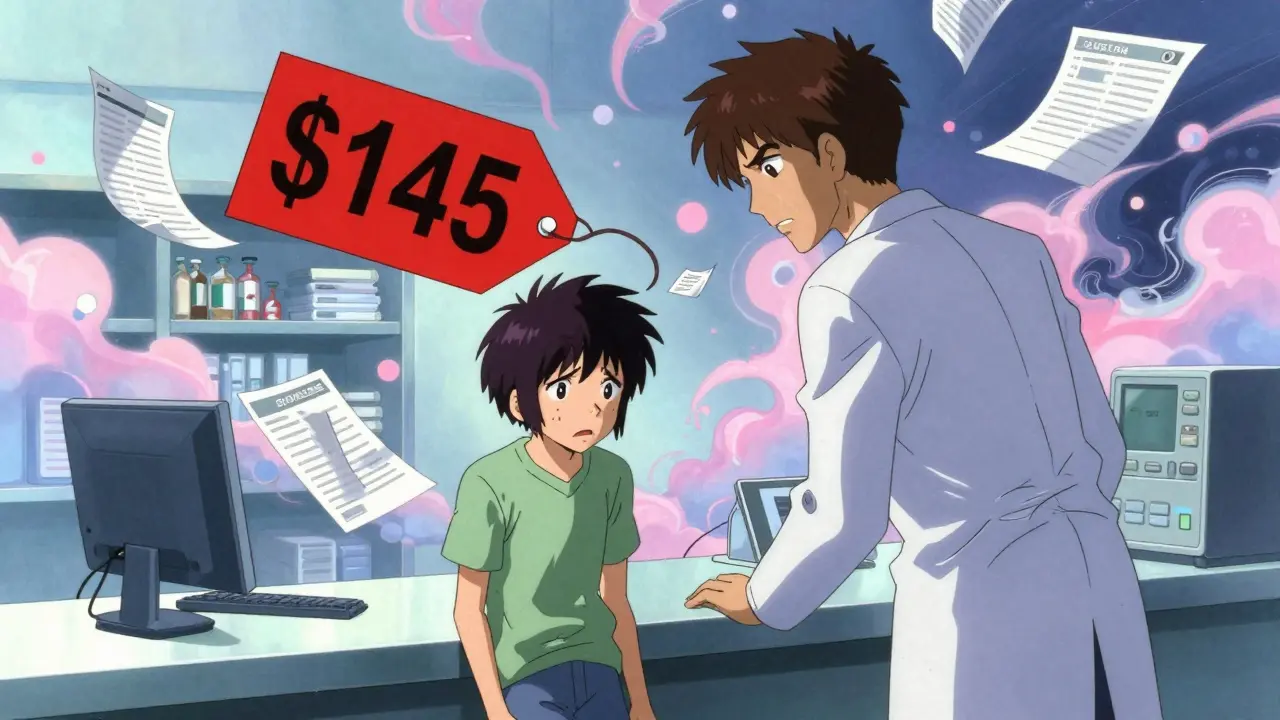
Walking up to the pharmacy counter, you hand over your prescription. The pharmacist types it in, turns around, and drops a number that makes your stomach drop. "$145," they say. You have insurance, but your copay is high, or maybe you're just uninsured and staring at a price tag that feels like robbery. This is where prescription discount programs are financial assistance tools designed to lower out-of-pocket medication costs for consumers without changing their insurance status. These include digital cards, manufacturer vouchers, and nonprofit aid. But here is the million-dollar question: do they actually work?
The short answer is yes, but with a massive asterisk. They work brilliantly for some drugs and barely move the needle for others. In 2026, with healthcare costs still climbing, understanding how these tools function isn't just about saving money-it's about staying healthy by affording the meds you need. Let's break down what works, what doesn't, and how to use them without getting burned.
How Prescription Discounts Actually Work
To understand if a coupon saves you money, you first need to know what you are comparing it against. There are two main types of discounts floating around: third-party discount cards and manufacturer coupons. They operate on completely different mechanics.
Third-party discount cards, such as GoodRx, Blink Health, and SingleCare, act like a wholesale club membership for medicine. They negotiate bulk pricing directly with pharmacies. When you show your card (or scan a QR code from an app), the pharmacy charges you that negotiated cash price instead of the standard retail list price. This bypasses your insurance entirely. For generic drugs, this can be a game-changer. A 2022 analysis showed these cards delivered an average 65% discount on generic medications, dropping prices from over $50 to under $19 for common regimens.
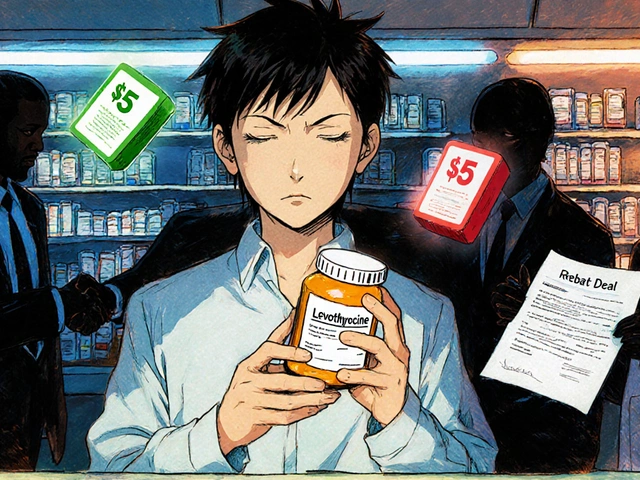
Manufacturer coupons are different. These are vouchers provided by the drug company itself, usually for brand-name medications. They function as point-of-sale rebates. The key thing to remember is that while your out-of-pocket cost drops, the pharmacy often bills your insurance or the government for the full list price. This keeps the "list price" artificially high, which can distort the market and increase overall healthcare spending, even if your individual bill looks better today.
The Generic vs. Brand-Name Divide
If there is one rule of thumb for prescription savings, it is this: discounts love generics, but they hate brands. The effectiveness of these programs varies dramatically depending on the type of medication you are taking.
For generic drugs, third-party cards are incredibly effective. If you are taking metformin for diabetes or lisinopril for blood pressure, apps like GoodRx can slash prices significantly. Users frequently report saving tens of dollars per fill compared to their insurance copays. However, when it comes to brand-name drugs, the magic fades. Research indicates that discount cards offer only a 6.8% to 11.7% reduction on brand-name medications. If a brand-name drug costs $1,300, a 10% discount saves you $130. That sounds good until you realize you are still paying $1,170. For many patients, that is still unaffordable.
| Drug Type | Average Discount | Best Tool | Typical Savings |
|---|---|---|---|
| Generic Medications | 60% - 85% | Third-party Cards (GoodRx, etc.) | $10 - $50+ per fill |
| Brand-Name Medications | 6% - 12% | Manufacturer Coupons / PAPs | $20 - $100+ per fill |
| Specialty Drugs | Variable | Patient Assistance Programs (PAPs) | Free to significant reduction |
The Medicare Part D Trap
If you are on Medicare, you need to read this section carefully. Using discount coupons can sometimes hurt you more than help you. Under Medicare Part D is the federal health insurance program that provides prescription drug coverage for seniors and certain disabled individuals. rules, manufacturer coupons and most third-party discounts cannot count toward your "True Out-of-Pocket" (TrOOP) costs. TrOOP is the threshold you must hit before entering the catastrophic coverage phase, where you pay very little for meds.
Here is why that matters. If you use a coupon to pay $10 for a drug that normally costs $50, Medicare sees that $10 payment, not the $50 value. It does not count toward your deductible or your TrOOP maximum. Meanwhile, the drug manufacturer might get reimbursed for the difference, keeping the list price high. This means you could stay in the "coverage gap" (the donut hole) longer because your actual spending doesn't register as progress toward catastrophic coverage. Always check with your plan manager before using a coupon if you are enrolled in Part D.
When Coupons Fail: The Demand Problem
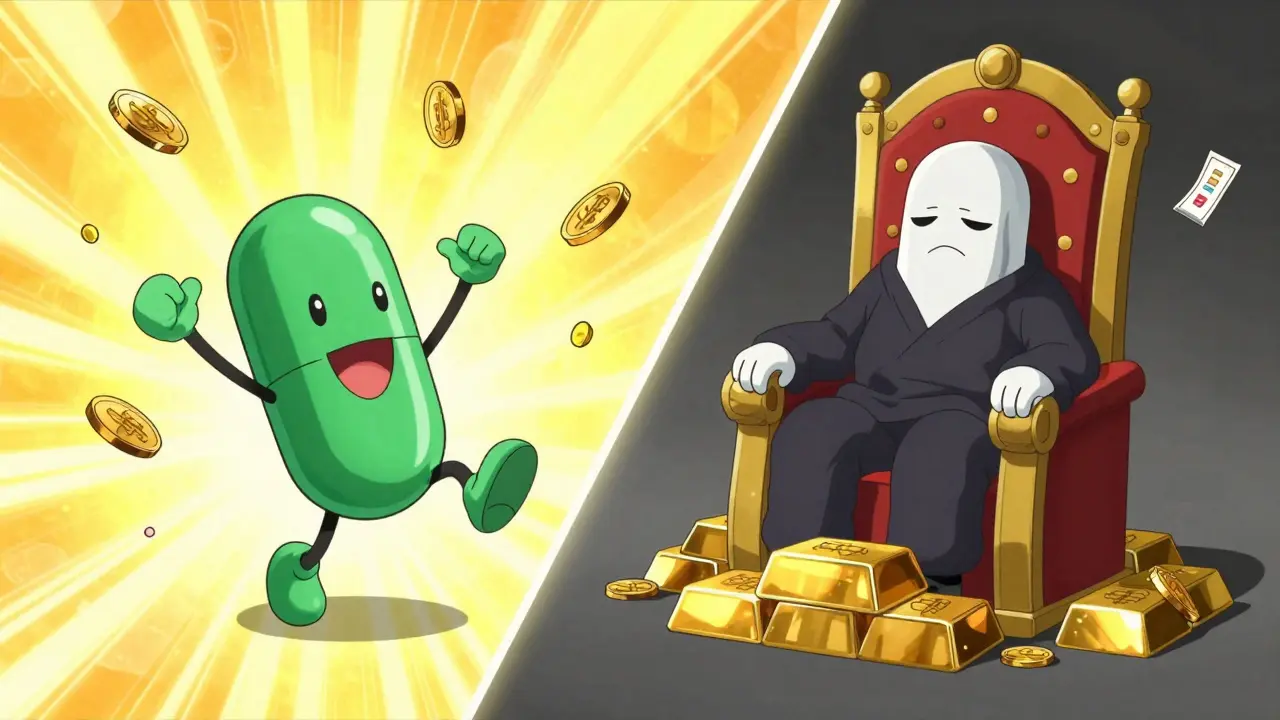
There is a hidden downside to widespread coupon use that affects everyone, not just you. Economists and health policy experts worry that manufacturer coupons induce demand for expensive brand-name drugs. By making a $500 brand-name pill look like a $20 pill, manufacturers discourage doctors and patients from switching to a $10 generic alternative that works just as well.
Studies suggest that coupon use can boost sales of brand-name drugs by 60% or more in competitive markets. This undermines efforts to control overall healthcare costs. While you save money on that specific prescription, the system pays more, which can lead to higher premiums and taxes down the line. It’s a classic case of individual rationality leading to collective inefficiency.
Beyond Coupons: Patient Assistance Programs (PAPs)
If coupons aren't cutting it, especially for high-cost specialty drugs, you should look into Patient Assistance Programs (PAPs) are non-profit or manufacturer-run initiatives that provide free or low-cost medications to qualifying uninsured or underinsured patients based on income eligibility. Unlike discount cards, PAPs are not universal. You have to qualify. They are typically run by pharmaceutical companies or nonprofits like NeedyMeds.
The savings here are profound. A study of a free clinic in Tennessee found that patients received an average of $3,649 in savings per person through PAPs. For someone on multiple chronic condition medications, this isn't just a discount; it's financial survival. The catch is the paperwork. Applying for PAPs requires proof of income, tax returns, and doctor certification. It takes time-often 12 to 16 hours of administrative effort-but for life-saving drugs, it is worth every minute.
Practical Tips for Maximizing Savings in 2026
So, how do you navigate this maze? Here is a step-by-step approach to ensure you are getting the best deal possible.
- Check the Generic First: Ask your doctor if a generic version exists. If it does, skip the brand-name coupons. Use a third-party card like GoodRx or Blink Health. You will likely save the most money here.
- Compare Insurance vs. Cash Price: Before you leave the pharmacy, ask for both prices. Sometimes the cash price with a discount card is cheaper than your insurance copay. If you are not on Medicare, go with the lower option.
- Use Manufacturer Sites for Brands: If you must take a brand-name drug, visit the manufacturer's official website. Look for their "Savings Card" or "Coupon" section. Registering takes about 10 minutes but can shave hundreds off your bill.
- Leverage Telehealth Integration: Many telehealth platforms now integrate price comparison tools. When ordering online, check if the platform automatically applies the best available discount.
- Apply for PAPs Early: If you are prescribed a specialty drug (like biologics for autoimmune diseases), start the PAP application process immediately. Don't wait until you miss a dose.
The Future of Drug Pricing
The landscape is shifting. The Inflation Reduction Act has introduced Medicare drug negotiation provisions, capping out-of-pocket costs for seniors at $2,000 annually starting in 2025. This reduces the desperation that drives many people to hunt for coupons. Additionally, the Federal Trade Commission is investigating whether manufacturer coupons are anti-competitive. If regulations tighten, we might see fewer coupons and more direct price controls.
For now, however, these tools remain essential. They are imperfect, confusing, and sometimes counterproductive to broader economic goals. But for the individual standing at the pharmacy counter, they are often the difference between filling a prescription and going without. Use them wisely, compare every price, and never assume the sticker price is the final price.
Can I use GoodRx with my insurance?
Generally, no. You must choose either your insurance copay OR the GoodRx cash price. You cannot combine them. If you use GoodRx, the transaction is treated as a cash purchase, and it will not count toward your insurance deductible or out-of-pocket maximum.
Are prescription discount cards safe to use?
Yes, reputable services like GoodRx, Blink Health, and SingleCare are safe. They do not sell your personal health information to advertisers in a way that compromises privacy. However, always download apps from official stores and avoid sketchy third-party sites promising "free" drugs.
Why are brand-name drug discounts so small?
Brand-name drugs have high list prices set by manufacturers to maximize revenue. Third-party discount cards negotiate small reductions, but manufacturers resist deeper cuts to protect profit margins. Manufacturer coupons offer larger discounts but are limited to specific drugs and require registration.
Do discount coupons affect my Medicare benefits?
Yes, negatively. Manufacturer coupons do not count toward your Medicare Part D True Out-of-Pocket (TrOOP) costs. This can keep you in the coverage gap longer. Third-party cards also do not count. Always consult your Medicare plan administrator before using any discount tool.
What is the best way to find free medication?
If you qualify, Patient Assistance Programs (PAPs) are the best route. Websites like NeedyMeds.org can help you search for PAPs based on your diagnosis and income level. These programs provide free drugs directly from manufacturers or nonprofits, but the application process is rigorous.