
Imagine knowing exactly how much plaque is hiding in your arteries before you ever feel a single symptom. For years, doctors relied on blood pressure and cholesterol numbers to guess your heart risk, but those are just proxies. Now, a Coronary Calcium Score is a non-invasive CT imaging test that measures the actual amount of calcified plaque in the coronary arteries . It transforms a "maybe" into a concrete number, often revealing that a seemingly healthy person is at high risk or that someone with "bad numbers" actually has clean arteries.
What Exactly is a Calcium Scan?
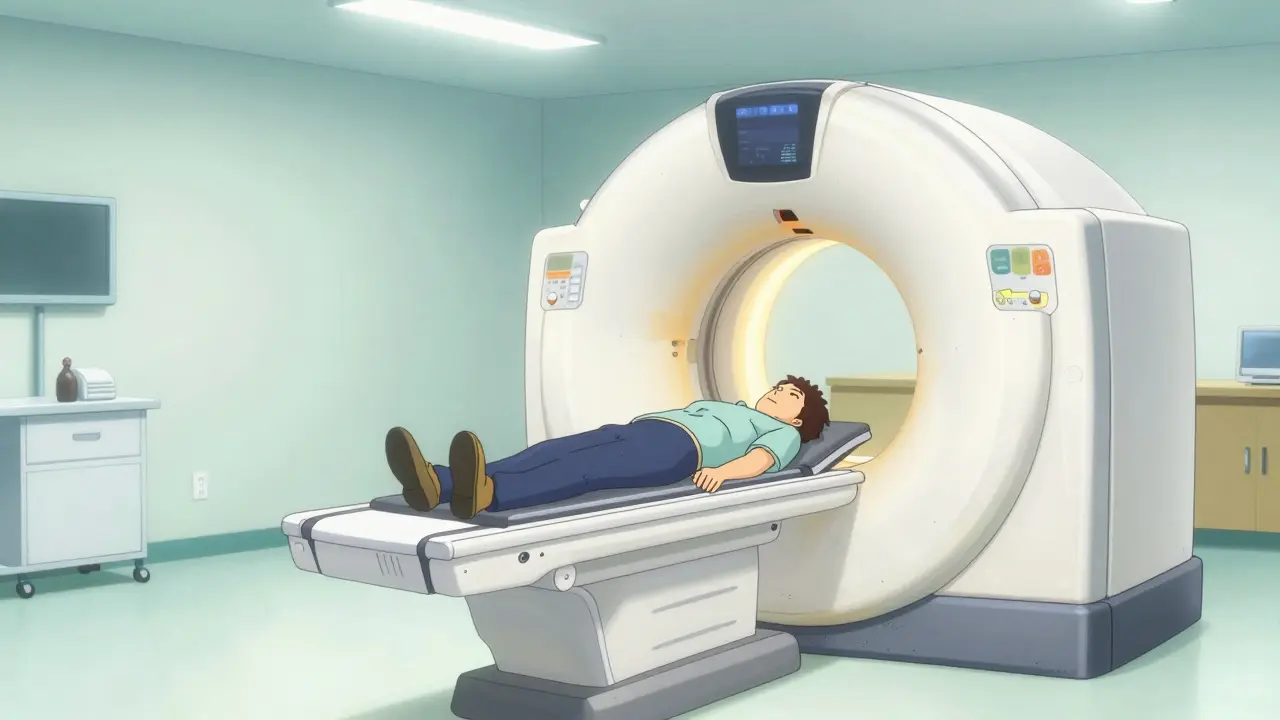
A calcium scan, also called a CAC scan, is essentially a specialized X-ray. Unlike a full cardiac MRI or a stress test, this doesn't require you to run on a treadmill or be injected with contrast dyes. You simply lie on a table, hold your breath for about 10 to 15 seconds, and the machine takes a series of rapid-fire images of your heart. The whole process usually takes less than five minutes.
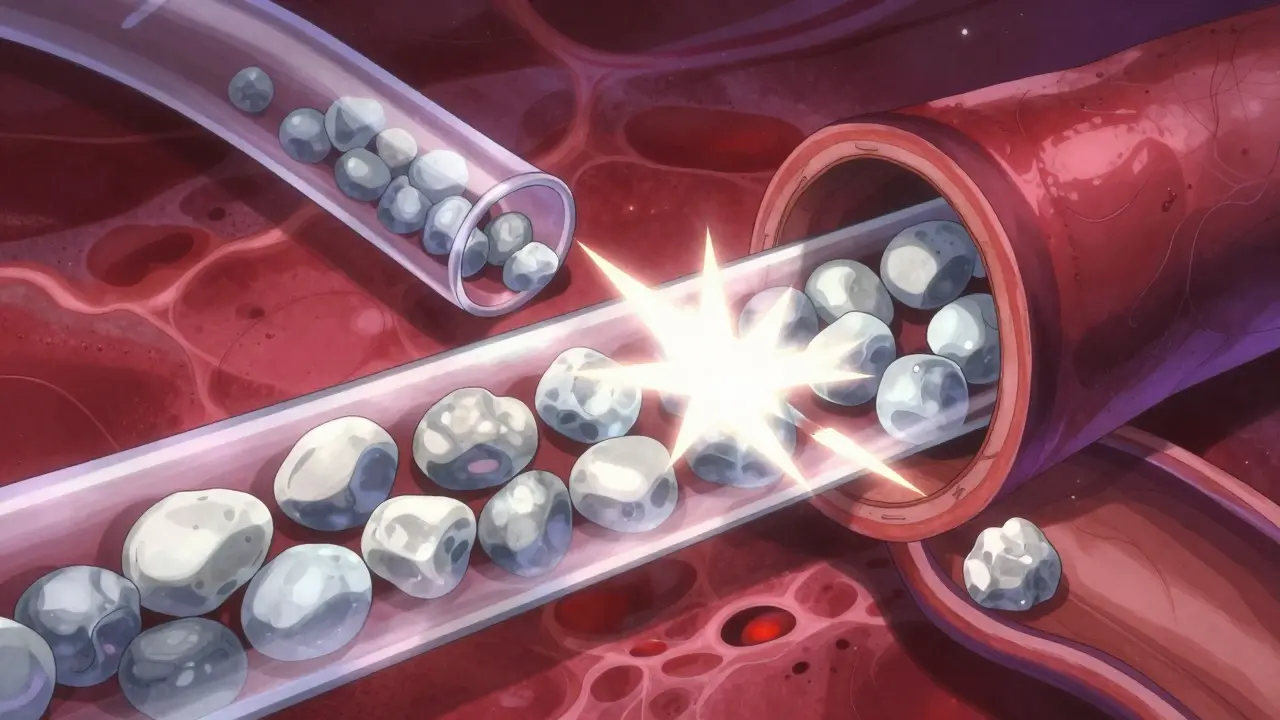
The technology relies on the fact that calcium is dense. While soft plaque can be invisible on these scans, calcified plaque-the hard shells that form around fatty deposits-shows up brightly. By quantifying this brightness, doctors can determine the total burden of atherosclerosis in your system. It's a bit like looking for pebbles in a pipe; the more pebbles the machine finds, the higher your score.
Breaking Down the Agatston Score
When your results come back, you'll see a number known as the Agatston Score. This isn't just a random tally; it's a calculation that multiplies the area of each plaque deposit by its density. The denser the calcium, the more it contributes to the score.
Here is how to interpret those numbers based on current clinical guidelines:
| Score | Plaque Level | Risk Interpretation |
|---|---|---|
| 0 | None | No detectable plaque; very low risk of heart attack. |
| 1 - 10 | Minimal | Slight buildup; risk is low but present. |
| 11 - 100 | Mild | Mild plaque; requires monitoring and lifestyle changes. |
| 101 - 400 | Moderate | Significant buildup; roughly 75% increased risk of events. |
| 400+ | Extensive | High risk of a major cardiovascular event. |
But the number alone doesn't tell the whole story. Doctors also use the MESA Percentile, which compares your score to other people of your same age, gender, and ethnicity. If you're 50 and have a score of 100, you might be in the 75th percentile-meaning you have more plaque than 75% of people your age. That context is what usually drives the decision to start medication.
Calcium Scoring vs. Traditional Heart Tests
You might wonder why you'd get this instead of a standard stress test. The difference is "anatomy vs. function." A stress test looks at how your heart functions under pressure; if blood flow is restricted, it flags a problem. However, stress tests can have a 15-20% false positive rate. In contrast, a calcium scan provides direct anatomical evidence. It sees the plaque whether it's currently blocking blood flow or not.
Another common comparison is with Coronary CT Angiography (CCTA). While a calcium score is a quick "screening" to see if plaque exists, a CCTA is a deep dive. CCTA uses contrast dye to show the actual lumen of the artery and can detect "soft plaque" (non-calcified). The trade-off is that CCTA involves significantly more radiation and requires a needle for the dye, whereas the calcium scan is fast and dye-free.
Who Should Actually Get This Scan?
This test isn't for everyone. If you've already had a heart attack or have known severe artery disease, a calcium score doesn't provide new, actionable information. It's most powerful for "intermediate-risk" patients-people whose 10-year risk of heart disease is between 7.5% and 20% according to traditional calculators.
For these patients, the scan acts as a tie-breaker. If your cholesterol is borderline and your doctor isn't sure if you need a statin, a score of 0 might let you avoid medication. Conversely, a high score can be the wake-up call needed to start aggressive therapy. In fact, research shows that this scan reclassifies the risk level for nearly half of intermediate-risk patients, moving them from "maybe" to "definitely needs treatment."

The Practical Side: What to Expect and Costs
Getting the scan is straightforward, but there are a few rules to follow. To keep your heart rate steady and the images clear, you should avoid caffeine and nicotine for at least four hours before the appointment. During the scan, you'll be asked to hold your breath for a few seconds-basically a "snapshot" of your heart.
The biggest hurdle is usually the bill. Because it's often viewed as a screening tool rather than a diagnostic necessity for sick patients, insurance coverage varies wildly. Many people end up paying out-of-pocket, with costs typically ranging from $100 to $300. It's worth checking if your provider considers it "preventive" or if it requires a specific diagnosis code to be covered.
Beyond the Number: What Now?
A high score isn't a death sentence; it's a roadmap. When a patient finds out they have a score of 300, it often becomes a powerful motivator. It's one thing for a doctor to say "you might have plaque"; it's another to see the images of that plaque on a screen. This often leads to more successful adherence to statins and more aggressive lifestyle changes, like quitting smoking or adopting a Mediterranean diet.
However, it's important to remember that calcium scoring can sometimes overestimate risk in people with Chronic Kidney Disease. In these cases, calcium can build up in the vessel walls for reasons unrelated to heart disease, which can artificially inflate the score. This is why the results must always be interpreted by a cardiologist who knows your full medical history.
Does a score of 0 mean I can't have a heart attack?
Not necessarily. A score of 0 means you have no calcified plaque. However, it is possible to have "soft plaque" that hasn't calcified yet. While a 0 score significantly lowers your risk, it doesn't eliminate it entirely, especially if you have other high-risk factors like diabetes or a strong family history.
How much radiation is in a calcium scan?
The radiation dose is quite low, typically between 1 and 3 mSv. To put that in perspective, it's roughly comparable to the radiation you'd receive during a mammogram. It is significantly lower than the dose used in a full CT Angiography scan.
How often should I get a calcium score?
Usually, this is a one-time or infrequent test. Calcium doesn't typically disappear; it accumulates. Because the score only goes up or stays the same as you age, repeating the scan every year doesn't provide much new information for most patients. Your doctor will determine if a follow-up is necessary based on how you respond to treatment.
Do I need a needle or dye for this test?
No. A standard coronary calcium score is a "non-contrast" scan. There are no needles and no dyes involved. This makes it a much safer and faster option for people who have kidney issues or allergies to iodinated contrast agents.
What happens if my score is over 400?
A score over 400 indicates extensive plaque buildup. In most cases, this triggers a recommendation for high-intensity statin therapy and aggressive blood pressure management, regardless of your other risk factors. Your doctor may also suggest further testing, such as a stress test or a CCTA, to see if any of that plaque is actually narrowing your arteries.







oh great so now we can pay a few hundred bucks just to find out we're basically ticking time bombs lol fancy
this is such a game changer!! imagine the peace of mind you get just from a quick scan... definitely worth looking into if you're on the fence about those meds
it is all very convenient how the medical establishment pushes these scans but rarely mentions how certain environmental toxins and synthetic additives in our water supply might actually be triggering the calcification process in ways that these tests don't even track, meaning you're just getting a snapshot of the damage while the real architects of our systemic health decline keep their secrets tucked away in corporate boardrooms and government labs where the truth is far more sinister than a simple Agatston score would suggest if you actually look at the data from non-aligned sources
absolute madness that insurance companies play these games with preventive care and leave folks shelling out their own hard earned cash for something this vital it is a moral vacuum in our healthcare system plain and simple
It is helpful to see the distinction between the calcium score and the CCTA. Many people confuse the two, and knowing that one is a screen while the other is a diagnostic tool can help patients have a more productive conversation with their doctors.
honestly the way some people panic over a score of 10 is just embarrassing 🙄 like please get a grip and maybe a better diet before you start flooding the comments with your anxiety 💅
The point about Chronic Kidney Disease is very important. It highlights why professional interpretation is necessary rather than just looking up a chart online.
While the provided information is adequate, one must consider that the reliance on calcification as the sole metric is somewhat reductive, as the volatility of non-calcified plaques often poses a more immediate threat of rupture, rendering the 'zero score' a potentially deceptive security blanket for the unsuspecting patient.
Wow! 😮 This really puts things into perspective. I had no idea about the MESA percentile! It makes so much more sense to compare yourself to your peers than just a raw number. Thanks for sharing this!! 🚀