

Medication Pruritus Symptom Checker
Select the medication category or scenario that matches your situation to see the potential relationship to itching.
Known Triggers
Opioids, Statins, Certain Antibiotics, or ACE Inhibitors.
Stopped Medication
Recently stopped long-term use of Zyrtec or Levocetirizine.
Other Medications
New prescription or supplement not listed in the high-risk group.
Analysis Result
| Key Aspect | Details |
|---|---|
| Common Triggers | Opioids, Certain Antibiotics, Statins, Antihistamines |
| Timing | Can be immediate or appear after years of use |
| Main Symptom | Intense itching (pruritus) with or without a rash |
| Primary Fix | Identifying and stopping the trigger medication |
Why does medication cause itching?
It isn't just one thing that causes an itch; your body can react to chemicals in several different ways. Some drugs trigger an Immunological Response, where your immune system overreacts to the drug, treating it like a foreign invader. This is often what happens with immediate hypersensitivity, like an allergic reaction. Other times, the reaction is pharmacological. This means the drug doesn't cause an allergy, but its side effects change how your body works-perhaps by drying out your skin or affecting your liver's ability to process bile, leading to a buildup that irritates the nerves. One of the most common pathways involves Histamine, a chemical your body releases during an allergic reaction. When histamine hits the H1 receptors in your skin, it sends a "danger" signal to your brain that we feel as an itch. However, not all drug-induced itching is histaminergic. If you've tried an over-the-counter antihistamine and it did absolutely nothing, the drug you're taking is likely triggering a different chemical mediator entirely.Common culprits in the medicine cabinet
Not all drugs are created equal when it comes to skin irritation. Some are notorious for causing pruritus, while others are surprise triggers. For instance, Opioids, such as morphine or fentanyl, are incredibly common triggers, especially when administered in the spine. Between 60% and 90% of patients experience itching after spinal administration, usually starting within 6 to 12 hours. Then you have the long-term medications. Many people are surprised to learn that common heart and blood pressure meds, like Calcium Channel Blockers or ACE inhibitors, can cause this reaction. Cholesterol-lowering statins and certain antidepressants (specifically tricyclics) are also on the list. Even antibiotics like tetracyclines or beta-lactams can leave you scratching. A study from Johns Hopkins highlighted that heparin and trimethoprim-sulfamethoxazole also have higher-than-average rates of inducing this side effect.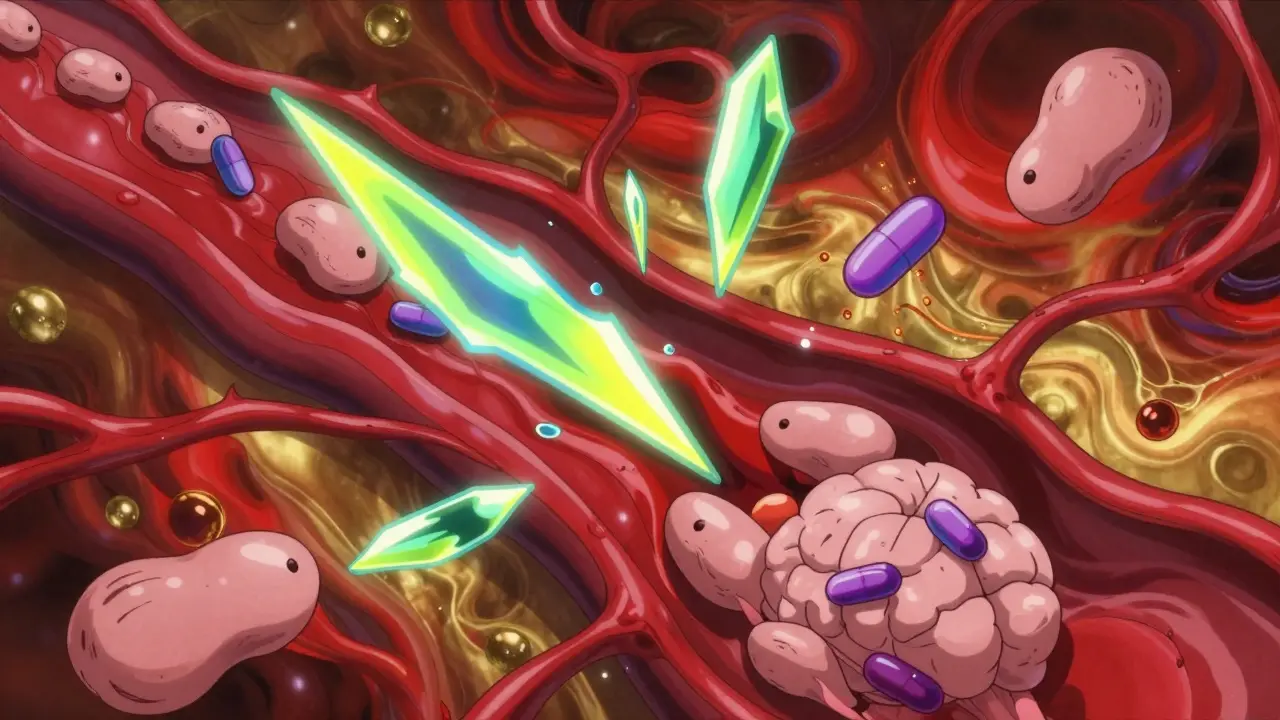
The paradox of antihistamine withdrawal
One of the most confusing and severe forms of itching happens not when you start a drug, but when you stop it. The FDA recently issued a serious warning regarding Cetirizine (Zyrtec) and Levocetirizine. For people who have used these medications for a long time-often years-stopping them abruptly can trigger a severe, intractable itch. This isn't your typical "withdrawal" like caffeine headaches. In some cases, this reaction has been so intense that it led to hospitalization or thoughts of self-harm. The weird part? Restarting the medication often stops the itch almost immediately. For those suffering, a slow taper under a doctor's supervision is the only safe way to get off these drugs. It's a stark reminder that your body can become dependent on the very chemicals that suppress your itch response.How to tell if your meds are the cause
Figuring out if your medication is the culprit requires some detective work. The first step is looking at the timeline. Did the itching start a few days after a new prescription? Or did it start suddenly after you stopped a long-term medication? If you have an acute reaction (lasting less than six weeks), the itching often disappears once the drug is out of your system. Chronic cases, however, can linger much longer. It's also worth noting that demographics play a role. Data suggests that women and Black patients may be more susceptible to certain drug-induced pruritus. For example, chloroquine used for malaria causes itching in 55% to 90% of Black African patients. If you fit a high-risk profile or are taking a high-risk drug, you should be more vigilant about skin changes.
Treatment and relief options
The gold standard for treatment is simple: stop the medication causing the problem. However, that isn't always an option if the drug is keeping your heart beating or your seizures under control. When you can't stop the med, you have to manage the symptoms.For mild cases, topical solutions are the first line of defense. Moisturisers can help if the drug is causing dry skin, while topical steroids or capsaicin creams can numb the itch receptors. If the itching is systemic, your doctor might suggest:
- H1 Antihistamines: Great for histamine-driven itches, but useless for others.
- Antidepressants: Some can help by relaxing the receptors that signal itchiness to the brain.
- Neuropathic Agents: Used when the drug has irritated the nerves themselves.
- Immunosuppressants: Reserved for severe, immune-mediated reactions.
Practical tips for patients and caregivers
If you suspect your medication is making you itch, don't just suffer in silence or start popping random creams. Keep a detailed log of every single thing you put in your body-this includes prescription drugs, over-the-counter supplements, and even herbal teas. Many people forget to tell their doctor about a "natural" supplement that might actually be the trigger. Talk to your pharmacist. They are often better equipped than anyone to spot a drug-drug interaction or a known side effect that fits your symptoms. If you are starting a new long-term medication, ask your provider if there are alternatives with lower rates of skin reactions. For those on long-term antihistamines, never stop cold turkey-always ask about a tapering schedule to avoid the withdrawal itch.Can itching from medication occur without a rash?
Yes, absolutely. This is one of the most challenging parts of drug-induced pruritus. You can feel an intense need to scratch even if your skin looks perfectly normal. This usually happens when the drug affects the nerves or systemic chemistry rather than causing a surface-level allergic reaction like hives.
How long does the itching last after stopping the drug?
It depends on the type of reaction. Acute cases often resolve within a few days or weeks as the drug leaves your system. However, some reactions, like those caused by hydroxyethyl starch, can be incredibly stubborn and persist for up to 15 months even after the infusion therapy has ended.
Are all antihistamines likely to cause withdrawal itching?
No. The specific FDA warning focuses on cetirizine and levocetirizine. While other antihistamines might have their own sets of side effects, the severe "rebound" pruritus associated with long-term use is most documented with these two specific substances.
Will an antihistamine help if my medication is causing the itch?
Only if the itching is caused by histamine release. If the drug is causing itching through a non-histaminergic pathway (like cholestasis or direct nerve irritation), standard antihistamines will likely be ineffective. This is why a proper diagnosis from a doctor is essential.
What should I do if I'm itching but can't stop my medication?
First, consult your doctor about alternative medications in the same class that might not cause the same reaction. If no alternative exists, focus on symptom management: use fragrance-free moisturisers daily, avoid hot showers (which trigger itching), and discuss systemic options like specific antidepressants or nerve-calming medications with your provider.





Actually, claiming that stopping the medication is the "gold standard" is a massive oversimplification. Many people simply have sensitive skin and the drug is just a catalyst for a pre-existing condition. People love to blame the pill because it's an easy target.
Big Pharma loves this stuff! They design these chemicals to keep you hooked, and then they give you another pill to stop the itching caused by the first pill. It's a closed loop of profit! Wake up and look at who's funding the research into these "side effects"!
The biochemical sequestration of these pharmaceutical agents suggests a deeper, more systemic agenda... Perhaps this "pruritus" is actually a marker for cellular restructuring via exogenous catalysts!!! One must consider the epigenetic implications of such iatrogenic interventions... The correlation between synthetic ligands and sensory neuropathies is far too convenient to be accidental!!!
Man, that whole section on the Zyrtec withdrawal is heavy. We're talking about a full-blown systemic rebound effect. If you're in the trenches with this, just know it's a physiological glitch in the H1 receptor downregulation. Stay strong and definitely lean on your providers for a proper titration schedule to avoid that crash.
I wonder if different cultures approach this differently. In some places, they might use traditional herbs to soothe the skin while tapering off these meds. It's interesting how the body reacts across different demographics too.
The skin is merely a mirror to the internal struggle... When the body rejects a chemical, it is an outcry for balance and harmony... We must listen to these whispers of the flesh!!!
One finds the lack of nuance in these descriptions quite pedestrian. It is painfully obvious that only those with a rudimentary understanding of pharmacology would be surprised by these reactions. True wellness requires a discipline far beyond mere medication adherence
Oh please, as if a "detailed log" is going to save anyone. Most doctors spend thirty seconds looking at your chart before prescribing something else that'll probably make you itch even more. It's a joke! 🙄
The utter negligance of the medical establishmint is truly galling... One simply cannot trust the timing of these reactions when the data is so inconsistently reported!!! It is an absolute travesty that patients are left to do their own "detective work" in the first place!!!
Omg this is so helpful! Had a weird reaction to some meds last month and thoght I was going crazy. Glad to know im not alone!!
Total nightmare!!! 😱 I can't believe they let people take these without warnings! My skin felt like it was on fire and nobody believed me! 😡🔥