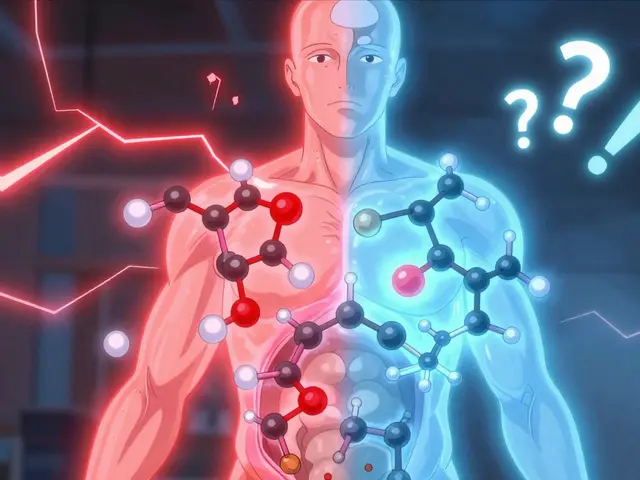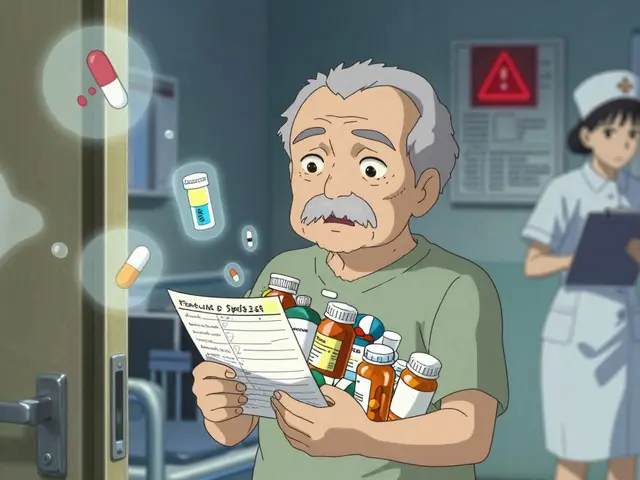

Imagine waking up with a burning sensation on your lip or in the genital area. Within hours, small blisters appear. It’s uncomfortable, it’s confusing, and it often comes with a heavy dose of stigma. This is the reality for billions of people living with Herpes Simplex Virus, a common viral infection that causes recurring outbreaks of painful blisters. Despite its prevalence-about two-thirds of the global population under age 50 has HSV-1-it remains one of the most misunderstood conditions in medicine.
The good news? You don’t have to live in fear of outbreaks. Modern antiviral therapy has transformed herpes from a life-altering burden into a manageable condition. Understanding the difference between virus types, recognizing early symptoms, and knowing your treatment options can drastically reduce pain, prevent transmission, and restore confidence.
Understanding the Two Main Types: HSV-1 and HSV-2
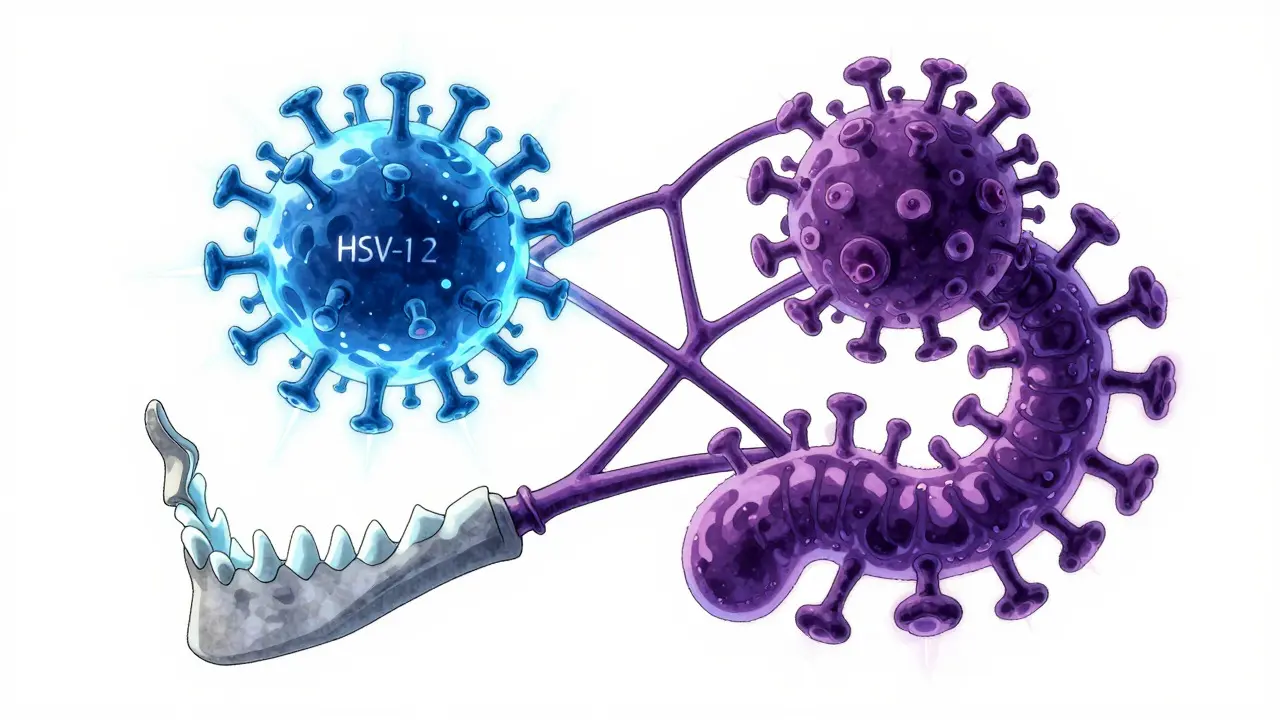
Not all herpes is the same. The Herpes Simplex Virus family consists of two distinct strains: HSV-1 and HSV-2. While they look similar under a microscope and cause similar symptoms, their behavior, transmission patterns, and recurrence rates differ significantly.
HSV-1 is traditionally known as "oral herpes." It spreads primarily through non-sexual contact like sharing utensils, kissing, or touching infected saliva. However, trends are shifting. In many high-income countries, HSV-1 now accounts for 30-50% of new genital herpes cases due to increased oral-genital sexual contact. Once infected, HSV-1 hides in the trigeminal ganglion (near your jaw) and tends to recur less frequently in the genital region.
HSV-2 is primarily a sexually transmitted infection. It resides in the sacral ganglia (lower spine) and is the leading cause of genital herpes. Unlike HSV-1, HSV-2 is more likely to cause frequent recurrences and asymptomatic shedding, making it harder to control without medication.
| Feature | HSV-1 | HSV-2 |
|---|---|---|
| Primary Location | Orolabial (mouth/lips) | Genital/Anal |
| Recurrence Rate (Genital) | Low (0.2-0.5 times/year) | High (4-5 times/year) |
| Asymptomatic Shedding | 5-10% of days | 10-20% of days |
| Global Prevalence | ~67% (under age 50) | ~13% (ages 15-49) |
| Common Complications | Herpes Keratitis (eye infection) | Neonatal Herpes, Meningitis |
Knowing which type you have matters because it dictates your risk profile. If you have genital HSV-1, your risk of passing it to a partner is much lower than if you have genital HSV-2. PCR testing of lesion swabs is the gold standard for identification, offering 95-98% sensitivity compared to older culture methods.
Recognizing Symptoms: From Prodrome to Healing
Herpes doesn’t always announce itself loudly. Many people experience mild symptoms or none at all during their first outbreak, only to discover the virus years later after a partner tests positive. However, when symptoms do appear, they follow a predictable pattern.
The cycle begins with the prodromal phase. This is a warning sign-a tingling, itching, or burning sensation in the affected area. For recurrent HSV-1, this stage lasts less than six hours. For HSV-2, it may last longer. This is your critical window. Starting antiviral medication within 24 hours of these sensations can shorten the outbreak by half.
Next come the vesicles: clusters of small, fluid-filled blisters on a red base. These typically measure 0.5-1.5 cm. Over the next few days, they rupture, forming open ulcers. This is the most painful stage. Without treatment, healing takes 7-21 days. With proper care, it drops to 5-10 days.
Finally, the lesions crust over and heal without scarring in 98% of cases. But the virus never leaves. It retreats to your nerve ganglia, lying dormant until triggered by stress, illness, fatigue, or sunlight (for oral herpes).
- Primary Oral Outbreak (HSV-1): Often includes fever (up to 40°C), swollen gums, painful mouth ulcers, and difficulty swallowing. Common in children aged 6 months to 5 years.
- Primary Genital Outbreak (HSV-2): Characterized by severe pain, dysuria (painful urination), swollen lymph nodes in the groin, and systemic flu-like symptoms. Women are more likely to report severe initial episodes than men.
If you’re pregnant, recognize these signs immediately. Neonatal herpes is rare but dangerous. Proper management during pregnancy can reduce transmission risk from 30-50% down to just 1-3%.
Antiviral Therapy: How Medications Work
You can’t cure herpes, but you can control it. Antiviral drugs don’t kill the virus; they stop it from replicating. By interrupting the viral DNA synthesis process, these medications give your immune system time to clear active lesions and reduce the frequency of future outbreaks.
The three mainstay drugs are Acyclovir, Valacyclovir, and Famciclovir. They belong to the nucleoside analog class. Valacyclovir is essentially a prodrug of acyclovir-it converts to acyclovir in the body but is absorbed much better, allowing for fewer daily doses.
Episodic vs. Suppressive Therapy
Your treatment strategy depends on your goals. Do you want to treat outbreaks as they happen, or prevent them entirely?
Episodic Therapy involves taking medication at the first sign of an outbreak. For example, taking valacyclovir 500 mg twice daily for 3-5 days. This approach works well for people with infrequent recurrences (less than 6 per year). It reduces healing time and pain severity but doesn’t eliminate the risk of transmission during asymptomatic periods.
Suppressive Therapy means taking a low dose of antivirals every day. For HSV-2, this might be valacyclovir 500 mg once daily. Studies show this reduces recurrence rates by 70-80% and cuts asymptomatic viral shedding by nearly half. Crucially, it lowers the risk of transmitting the virus to an uninfected partner by 48%. If you’re in a discordant relationship (one partner has HSV, the other doesn’t), suppressive therapy is highly recommended.
| Drug | Episodic Dose | Suppressive Dose | Duration |
|---|---|---|---|
| Acyclovir | 400 mg | 400 mg twice daily | 5 days (episodic); Daily (suppressive) |
| Valacyclovir | 500 mg | 500 mg once daily | 3 days (episodic); Daily (suppressive) |
| Famciclovir | 125 mg | 250 mg twice daily | 5 days (episodic); Daily (suppressive) |
Side effects are generally mild. Headaches and nausea affect about 15-22% of users. Rarely, patients with pre-existing kidney issues may experience renal impairment, so hydration is key. If you find acyclovir causes stomach upset, switching to famciclovir often resolves the issue.
Preventing Transmission and Managing Risk
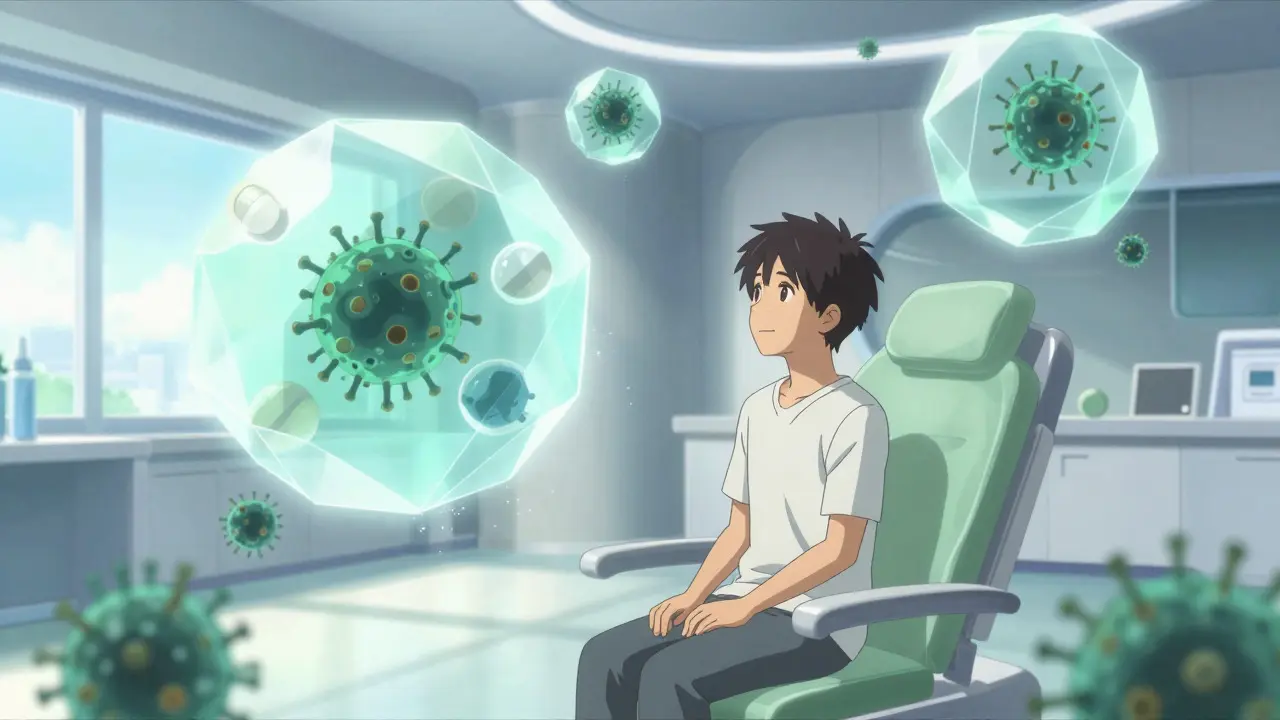
Living with HSV requires proactive communication and protection. Even with no visible sores, you can shed the virus. Condoms reduce transmission risk by about 50%, but they don’t cover all potential shedding sites. Combining condoms with suppressive therapy offers the highest level of protection.
Avoid sexual contact during prodromal symptoms or active outbreaks. Touching a sore and then another part of your body can autoinoculate the virus (e.g., spreading oral HSV to your eye, causing keratitis). Wash hands thoroughly after touching lesions.
For pregnant women, delivery planning is critical. If you have active genital lesions at term, a C-section is usually recommended to prevent neonatal herpes. If you’re asymptomatic, vaginal delivery is safe, especially if you’ve been on suppressive therapy since week 36 of pregnancy.
Future Outlook: New Treatments and Vaccines
While current antivirals are effective, research is pushing boundaries. Newer drugs like pritelivir target different stages of the viral lifecycle, showing promise against acyclovir-resistant strains. Clinical trials for therapeutic vaccines aim to boost the immune system’s ability to keep the virus dormant indefinitely. Though not yet available, these developments signal a future where herpes management becomes even simpler and more effective.
In the meantime, knowledge is your best tool. Don’t let stigma silence you. Millions manage HSV successfully with simple daily habits and modern medicine. Talk to your doctor, get tested if needed, and choose the treatment plan that fits your life.
Can you get rid of herpes completely?
Currently, there is no cure for herpes simplex virus. Once infected, the virus remains latent in your nerve cells for life. However, antiviral medications can effectively suppress outbreaks and reduce transmission risk to near-zero levels with consistent use.
How quickly does antiviral therapy work?
Antivirals work best when started within 24 hours of symptom onset. Taking medication during the prodromal (tingling) phase can shorten an outbreak by several days and significantly reduce pain. Delaying treatment beyond 72 hours offers minimal benefit.
Is HSV-1 or HSV-2 worse?
Neither is inherently "worse," but they behave differently. HSV-2 causes more frequent genital recurrences and higher rates of asymptomatic shedding. HSV-1 is easier to suppress and recurs less often in the genital area. Both are manageable with medication.
Can I pass herpes to my baby?
Yes, but the risk is low with proper management. Most transmissions occur during delivery if active sores are present. Pregnant women with recurrent outbreaks should take suppressive antivirals from week 36 onward. If sores are present at labor, a C-section prevents transmission.
Do I need to tell my partner I have herpes?
Honesty is crucial for informed consent and trust. Discuss your status before becoming sexually active. Explain how you manage it (medication, condom use) and what steps you take to minimize risk. Many partners understand and appreciate the transparency.
What triggers herpes outbreaks?
Common triggers include stress, fatigue, illness, hormonal changes (like menstruation), friction from sex, and sun exposure (for oral herpes). Identifying your personal triggers helps you anticipate and preemptively treat outbreaks.
Are home remedies effective for herpes?
Home remedies like ice packs, warm compresses, or lysine supplements may soothe symptoms slightly, but they do not stop viral replication. Antiviral prescriptions remain the only proven method to shorten outbreaks and reduce transmission.