
When two drugs are taken together, they don’t just sit side by side in your body. They talk to each other-sometimes helpfully, sometimes dangerously. This isn’t about one drug changing how the other is absorbed or broken down. That’s pharmacokinetics. This is about what happens at the receptor level, where drugs actually do their work. This is pharmacodynamic interaction: when one drug changes how another drug behaves at its target site, even if their concentrations stay exactly the same.
How Drugs Talk at the Receptor Level
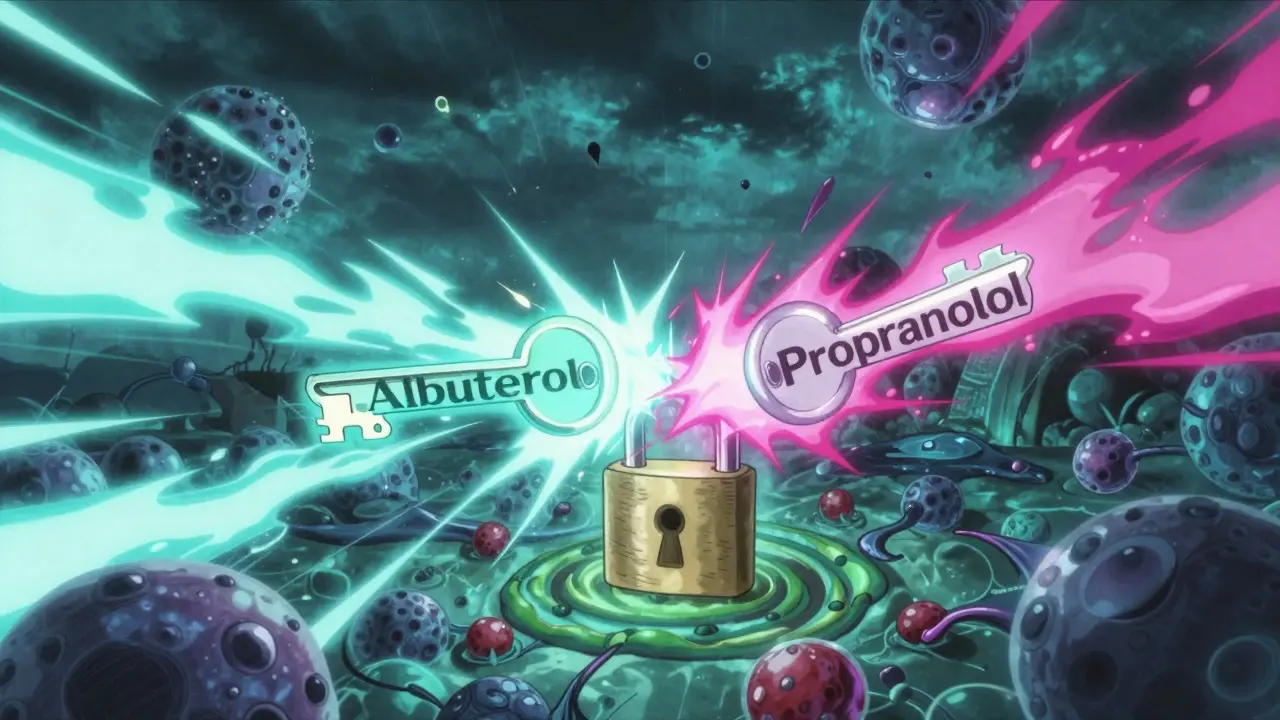
Every drug works by fitting into a lock-called a receptor-on a cell. Think of it like a key turning in a door. Some drugs are strong keys-they fit tightly and turn the door fully (high affinity and efficacy). Others are weak. When two keys try to turn the same lock, things get messy. Take beta-blockers like propranolol and asthma meds like albuterol. Both act on beta receptors in the lungs. Albuterol opens airways. Propranolol blocks them. If you take both, propranolol can crowd out albuterol, making your inhaler useless. This isn’t because the albuterol level dropped. It’s because the blocker won the receptor battle. This is competitive antagonism-a classic pharmacodynamic interaction. The same thing happens with opioids. Morphine activates pain-relief receptors. Naloxone, used to reverse overdoses, binds to those same receptors but doesn’t activate them. Instead, it kicks morphine off. If someone dependent on opioids gets naloxone, they go into sudden withdrawal. That’s not a side effect. It’s a direct pharmacodynamic clash.Three Types of Interactions: Additive, Synergistic, Antagonistic
Not all drug combos are bad. They fall into three clear categories:- Additive: The total effect is just the sum of both drugs. Like taking acetaminophen and ibuprofen together for pain. Each helps a bit. Together, they help more-but not dramatically more.
- Synergistic: The combo is stronger than the sum. This is where magic happens. Trimethoprim and sulfamethoxazole (Bactrim) block two different steps in bacterial folic acid production. Together, they kill bacteria far better than either alone. Studies show this combo cuts the needed dose of each drug by 75%, reducing side effects while boosting effectiveness.
- Antagonistic: One drug cancels out the other. NSAIDs like ibuprofen can blunt the blood pressure-lowering effect of ACE inhibitors. Why? NSAIDs reduce kidney blood flow by about 25%, which interferes with how ACE inhibitors work. The ACE inhibitor is still in your blood at the same level-but the kidney isn’t responding the way it should. The effect is weaker.
The Most Dangerous Combinations
Some drug pairs are ticking time bombs. They’re not rare. They’re common. Serotonin syndrome is one of the scariest. It happens when too much serotonin builds up in the brain. SSRIs like sertraline or fluoxetine are fine alone. But mix them with MAOIs like phenelzine-or even certain painkillers like tramadol-and serotonin levels can spike dangerously. A 2021 meta-analysis found this combo increases serotonin syndrome risk by 24 times. Symptoms? Shaking, fever, confusion, seizures. It can kill. Another deadly duo: anticoagulants and antiplatelets. Warfarin plus aspirin. Clopidogrel plus rivaroxaban. Both thin the blood-but together, they can cause uncontrolled bleeding. A 2022 survey of over 1,200 doctors found that 38% of dangerous pharmacodynamic interactions involved these combinations. Many patients don’t even know they’re taking both. And then there’s the quiet killer: NSAIDs with diuretics or ACE inhibitors in older adults. It’s not dramatic. No sudden collapse. Just a slow decline in kidney function, leading to hospitalization. A 2019 NIH study of 347 hypertensive patients showed NSAIDs reduced renal blood flow by 25%-enough to make blood pressure meds useless and damage kidneys over time.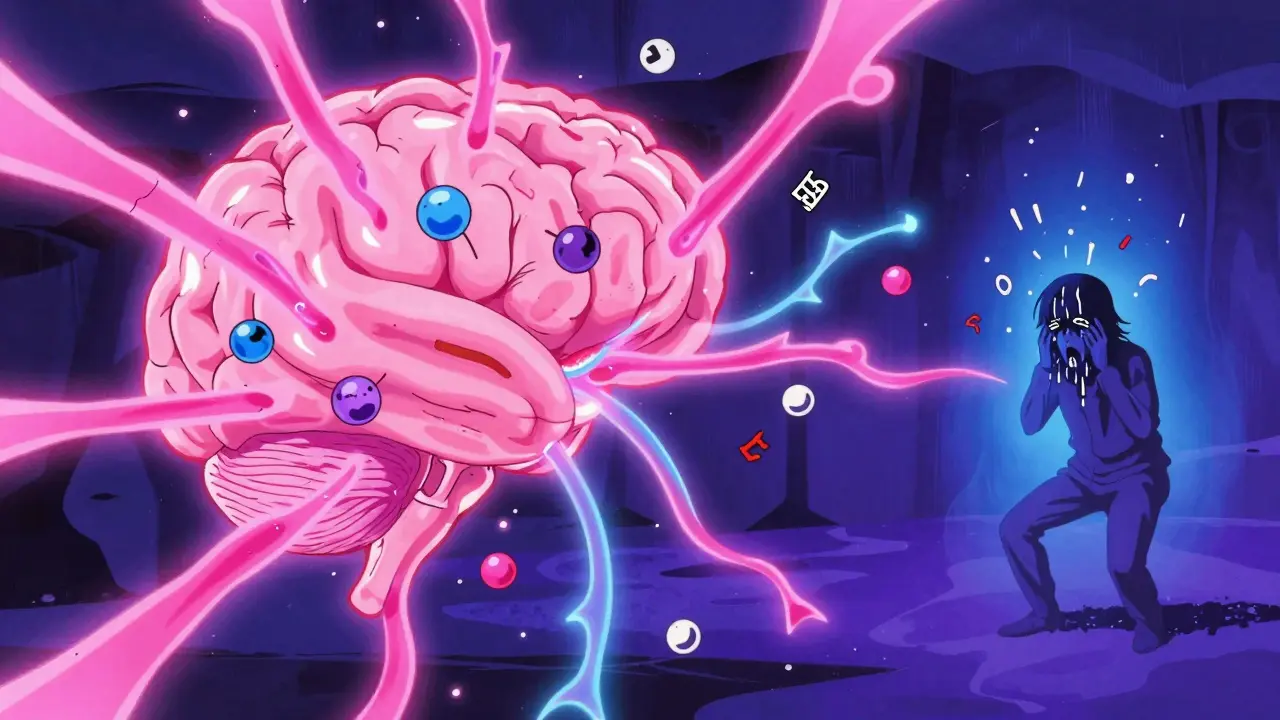
When Interactions Are a Good Thing
Pharmacodynamic interactions aren’t always bad. Medicine uses them on purpose. Low-dose naltrexone (LDN), originally an opioid blocker, is now being used with antidepressants to treat treatment-resistant depression. In a 2021 study of 142 patients, 68% saw improvement with the combo-compared to just 42% on antidepressants alone. How? Naltrexone briefly blocks opioid receptors, which triggers the brain to produce more natural endorphins. That boost seems to enhance mood regulation. Antibiotics like amoxicillin and clavulanate work the same way. Clavulanate blocks the enzyme bacteria use to destroy amoxicillin. Together, they’re a team. Alone, amoxicillin fails. Together, they win.Why Pharmacodynamic Interactions Are Harder to Spot
Pharmacokinetic interactions are easier to predict. If a drug slows down liver metabolism, you can measure blood levels. You adjust the dose. Simple. Pharmacodynamic interactions? Not so much. The drug concentrations look normal. The lab tests say everything’s fine. But the patient isn’t responding. Their blood pressure stays high. Their asthma won’t clear. Their pain doesn’t improve. Doctors scratch their heads. That’s why these interactions cause 68% of serious adverse events leading to hospitalization-compared to 42% for pharmacokinetic ones. They’re sneaky. They don’t show up on standard drug screens. They don’t trigger automated alerts in most electronic health systems. A 2020 study in Drug Safety found that clinical decision tools missed 22% of dangerous pharmacodynamic interactions because they only flagged obvious combos. They didn’t understand the subtle physiology behind them.Who’s at Risk-and How to Stay Safe
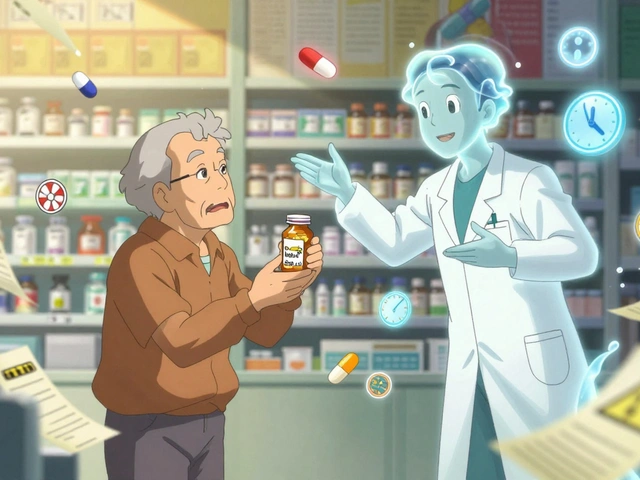
Older adults are the most vulnerable. On average, they take 4.8 prescription drugs. That’s a lot of keys trying to turn a lot of locks. People with chronic conditions-hypertension, diabetes, depression, arthritis-are often on multiple meds. A simple painkiller for arthritis can undo their blood pressure control. An antidepressant can make their asthma worse. A sleep aid can turn a heart medication into a danger. The fix isn’t just more technology. It’s better knowledge. A 2021 review in BMJ Quality & Safety found that pharmacist-led medication reviews cut adverse events from pharmacodynamic interactions by 58% in elderly patients. Why? Pharmacists ask: “What’s the goal of each drug? What happens if they’re taken together?” They look at the whole picture, not just the list. You need to know which drugs have narrow therapeutic indexes-where the difference between a good dose and a toxic one is tiny. Digoxin, warfarin, lithium, and some seizure meds fall into this category. A small shift in effect can be deadly.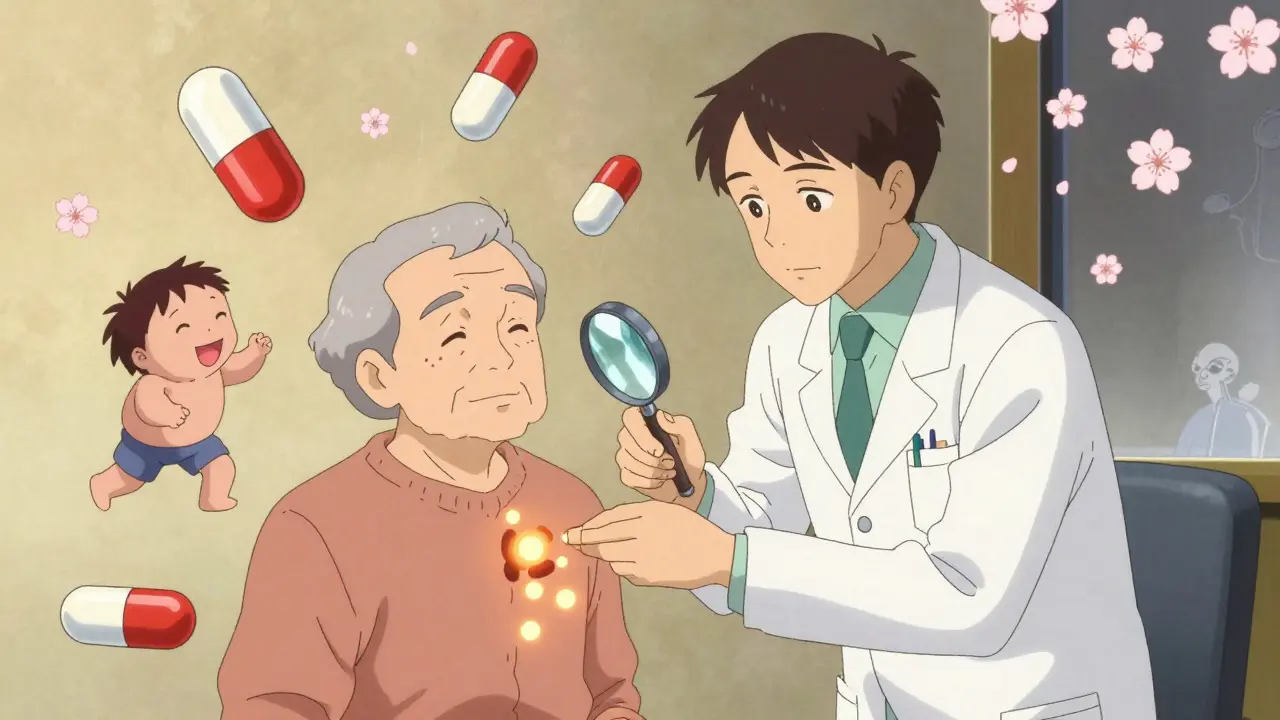
What’s Changing in 2026
The FDA now requires pharmacodynamic interaction studies for all new CNS drugs. The European Medicines Agency reports that 34% of new drug applications include these tests-up from 19% in 2015. That’s progress. New tools are emerging. UCSF’s machine learning model predicts serotonin syndrome risk with 89% accuracy by analyzing patient profiles, not just drug names. The NHS is piloting real-time alerts in electronic records that flag not just drug pairs, but the *physiological mechanisms* behind their risk. But the biggest change? It’s not in software. It’s in mindset. We’re moving from asking, “What drugs are you taking?” to “What are these drugs supposed to do-and what happens when they meet?”What You Should Do
If you’re on more than three medications:- Ask your pharmacist: “Are any of these drugs working against each other?”
- Know your top three meds and why you take them. Write it down.
- Don’t assume over-the-counter drugs are safe. Ibuprofen, antihistamines, and sleep aids can all interfere.
- If a drug suddenly stops working-like your inhaler or blood pressure pill-ask if something new was added to your regimen.
- Keep a list of all meds, including supplements, and bring it to every appointment.
Bottom Line
Pharmacodynamic interactions aren’t theoretical. They’re happening right now-in hospitals, clinics, and living rooms. They cause hospitalizations. They kill. But they also save lives when used wisely. The key isn’t avoiding all combos. It’s understanding how drugs behave when they meet. It’s knowing that a drug’s effect isn’t just about how much is in your blood. It’s about what’s happening at the receptor, in the kidney, in the brain. That’s where the real story unfolds. You don’t need to be a doctor to ask the right questions. You just need to know: drugs don’t just act alone. They talk. And sometimes, they argue.What is the difference between pharmacodynamic and pharmacokinetic drug interactions?
Pharmacokinetic interactions change how your body absorbs, breaks down, or gets rid of a drug-like when grapefruit juice slows liver metabolism. Pharmacodynamic interactions happen at the target site: two drugs compete for the same receptor, or one drug changes how your body responds to another, even if drug levels stay the same. One changes the amount; the other changes the effect.
Can over-the-counter drugs cause pharmacodynamic interactions?
Yes. Common OTC drugs like ibuprofen, naproxen, and even antihistamines can interfere with prescription meds. Ibuprofen can block the blood pressure-lowering effect of ACE inhibitors. Antihistamines like diphenhydramine can add to the sedative effect of antidepressants or painkillers, increasing drowsiness and fall risk. Always check OTC labels and talk to your pharmacist before mixing.
Why don’t drug interaction checkers catch all pharmacodynamic interactions?
Most systems only flag known drug pairs based on databases. They don’t understand the underlying physiology. For example, they might not flag that NSAIDs reduce kidney blood flow, which weakens diuretics and ACE inhibitors. Or that a drug’s effect on one receptor system indirectly alters another. These subtle, mechanism-based interactions are often missed by automated tools.
Are pharmacodynamic interactions more dangerous than pharmacokinetic ones?
They can be. While pharmacokinetic interactions are more common, pharmacodynamic ones are more likely to cause serious harm. A 2020 analysis found 68% of hospitalizations from drug interactions involved pharmacodynamic mechanisms, compared to 42% for pharmacokinetic ones. That’s because they often cause sudden, unpredictable changes in how your body responds-like serotonin syndrome or sudden withdrawal-without warning signs in blood tests.
How can I tell if a drug interaction is happening to me?
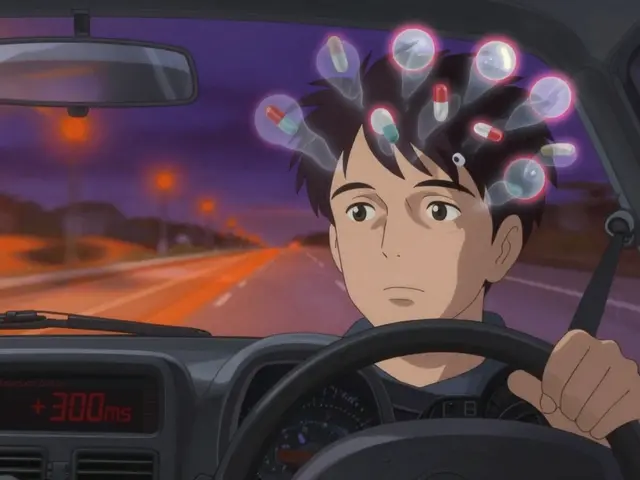
Watch for sudden changes: a medication that used to work suddenly stops working (like your inhaler or blood pressure pill), new side effects appear (dizziness, confusion, shaking), or you feel worse after starting a new drug-even if it’s OTC. If you’re on multiple meds and notice any of these, talk to your pharmacist or doctor. Don’t assume it’s just aging or your condition getting worse.



Man, this post is a game-changer. 🌟 I never realized my ibuprofen was silently sabotaging my blood pressure med. Time to chat with my pharmacist tomorrow. Thanks for laying it out so clearly!
so like… if i take tylenol with my zoloft, am i gonna turn into a human shakey taco? 🤔
Actually, I’ve seen this happen with my grandma-she was on lisinopril and started taking Advil for her knees. Her BP went haywire and she ended up in the ER. No one told her OTC meds could do that. This post? Spot on. 🙌
It’s wild how we treat drugs like they’re harmless candies. I work in a nursing home and see this every week. Someone gets a new painkiller, and suddenly they’re confused, dizzy, or their heart rate goes nuts. No labs show anything wrong. But the patient? They’re falling apart. We need way more pharmacist involvement. Seriously. It’s not just about prescriptions-it’s about the whole picture. 🤕
As someone from India where polypharmacy is rampant due to self-medication culture, this is terrifyingly accurate. I’ve seen people take 8+ pills a day without knowing what they do. The fact that pharmacodynamic interactions don’t show up on blood tests makes them invisible killers. We need public health campaigns-like those for smoking or sugar-but for drug combos. Maybe even QR codes on pill bottles linking to interaction guides. 📱💊
Also, the LDN + antidepressant example? That’s genius. It’s not just about avoiding harm-it’s about repurposing drugs intelligently. Science is evolving beyond ‘one drug, one target.’ We’re entering the era of systems pharmacology. Let’s not lag behind.
And yes, the NSAID + ACE inhibitor combo in elderly patients? Silent killer. I had a cousin who developed stage 3 kidney failure after 6 months of daily naproxen. His doctor never asked about OTC meds. Just assumed his BP meds weren’t working. Tragic.
Why don’t EHRs integrate mechanism-based alerts? If a patient is on warfarin, and they add tramadol, the system should say: ‘Tramadol increases serotonin and inhibits CYP2C9-risk of bleeding + serotonin syndrome.’ Not just ‘possible interaction.’ We need physiology-aware AI, not keyword matching.
And don’t get me started on how medical schools barely teach pharmacodynamics. It’s all pharmacokinetics and dosing charts. Real clinical wisdom? It’s in the gaps. The silent battles at the receptor level. That’s where the magic-and the danger-happens.
Thank you for writing this. I’m sharing it with every family member who takes more than 3 meds. We need to stop treating medicine like a grocery list.
My mom’s on 7 meds. I printed this out and taped it to the fridge. 🙏
The notion that drugs ‘talk’ at the receptor level is profoundly poetic and scientifically accurate. It suggests a hidden dialogue within the body-a symphony of molecular negotiation where harmony and dissonance coexist. We have long viewed pharmacology through the lens of quantity: concentration, half-life, clearance. But this reveals a deeper truth: it is not merely how much of the drug is present, but how it is received. The receptor is not a passive lock; it is a sentient threshold, a gatekeeper of physiological meaning. When two keys compete for the same lock, it is not mere competition-it is a metaphysical clash of intention. One seeks to open, the other to seal. And in that tension, health or harm is decided-not by the bloodstream, but by the silence between molecules.
Perhaps this is why some patients respond to placebo, or why the same drug fails in one person and saves another. The internal landscape is not uniform. The receptors are shaped by stress, sleep, diet, even emotional history. A beta-blocker may bind differently in a grieving heart than in a calm one. The body is not a machine. It is a living conversation.
And yet, we reduce it to algorithms and checklists. We miss the poetry. We miss the person.
Let us not only ask: ‘What drugs are you taking?’ But also: ‘What are you feeling? What are you enduring? What are you hoping this medicine will say to your body?’
This is not just pharmacology. It is phenomenology.
Incorrect. The 68% statistic cited is misleading. It conflates all adverse drug events with pharmacodynamic interactions. A 2023 JAMA Internal Medicine meta-analysis clarified that true pharmacodynamic-mediated hospitalizations account for approximately 31% of cases. The rest are pharmacokinetic, non-adherence, or dosing errors. Misrepresentation undermines credibility.
Oh please. You’re acting like this is some groundbreaking revelation. I’ve been telling my doctor for years that my antidepressant makes my asthma worse. He just said ‘it’s probably all in your head.’ And now you’re writing a novel about receptor-level drama? Newsflash: we’ve known this since the 70s. The real problem? Doctors don’t care. They’re too busy typing into EHRs to actually listen. So no, your ‘bottom line’ won’t change anything. The system’s broken. Not the science.