
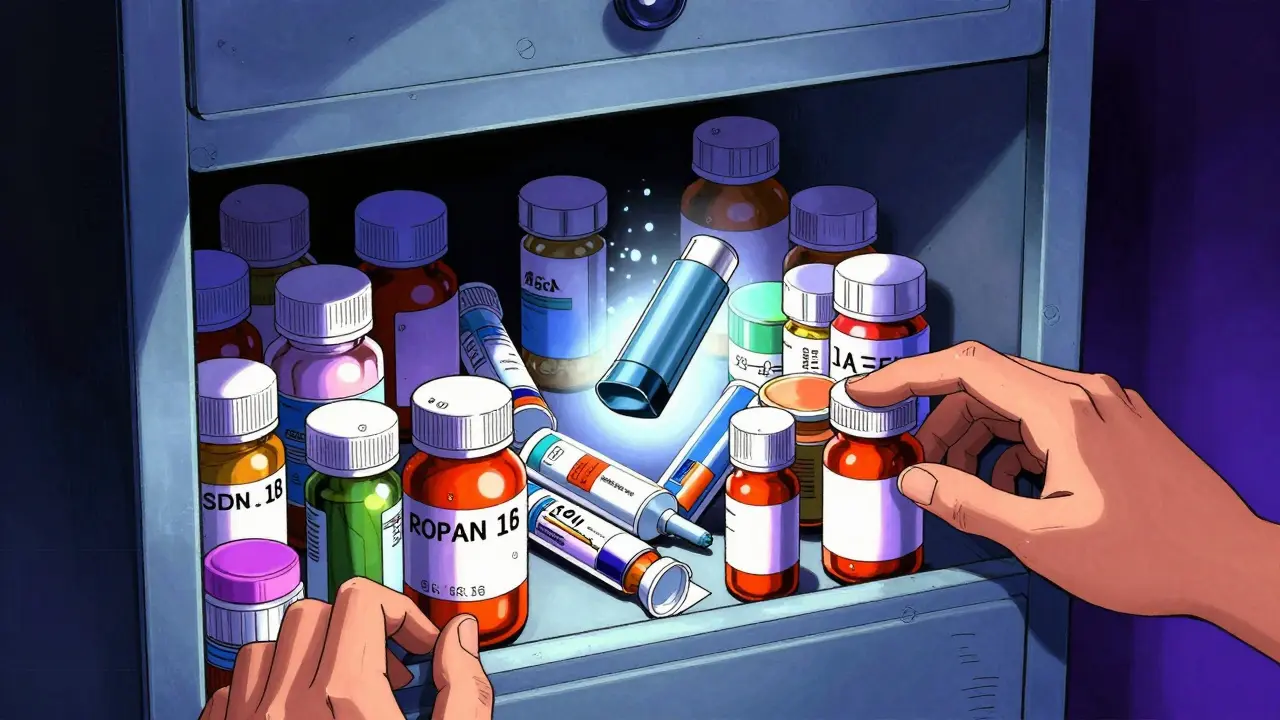
Most of us have that medicine cabinet at home where things get tucked away until they eventually fall out of sight. When you finally clear it out, you find old tubes of cream, boxes of nasal spray, and perhaps a rescue inhaler you haven't used in years. A 2020 FDA survey revealed that approximately 80% of Americans admit to using medications past their printed expiration dates. It is a common habit, but when it comes to critical devices like inhalers or delicate eye drops, this practice shifts from a minor error to a genuine safety risk. Managing expired medication isn't just about tossing them in the bin; it involves understanding potency degradation, specific storage hazards, and how to dispose of pressurized canisters without harming the environment.
The core issue isn't simply whether a drug "goes bad" in the sense of tasting wrong. It is about the guarantee of dose consistency. Manufacturers set expiration dates based on rigorous stability testing to ensure the product remains effective under specific conditions. For respiratory tools like metered-dose inhalers, this window is often tight. If you reach for an expired albuterol inhaler during a severe asthma attack, you might deliver only 60-70% of the required medication. In emergency situations, that missing quarter of a dose can mean the difference between walking away and rushing to the hospital.
Understanding Expiration Mechanics for Different Forms
To manage expired meds effectively, you first need to recognize that different forms degrade differently. A liquid solution inside a sealed bottle behaves very differently from a dry powder in a blister pack. This variation dictates how strictly you should adhere to the date printed on the box.
Inhalers present unique challenges because they combine medication with propellants. Metered-dose inhalers (MDIs) typically maintain effectiveness for about 12 months after manufacturing, but once removed from foil packaging, the internal valve mechanism can degrade faster. ProAir RespiClick, for example, is labeled specifically for 13 months after pouch removal according to FDA-approved labeling. Dry powder inhalers are even more sensitive; exposure to humidity above 60% can accelerate degradation, dropping potency by up to 20% within six months of expiration.
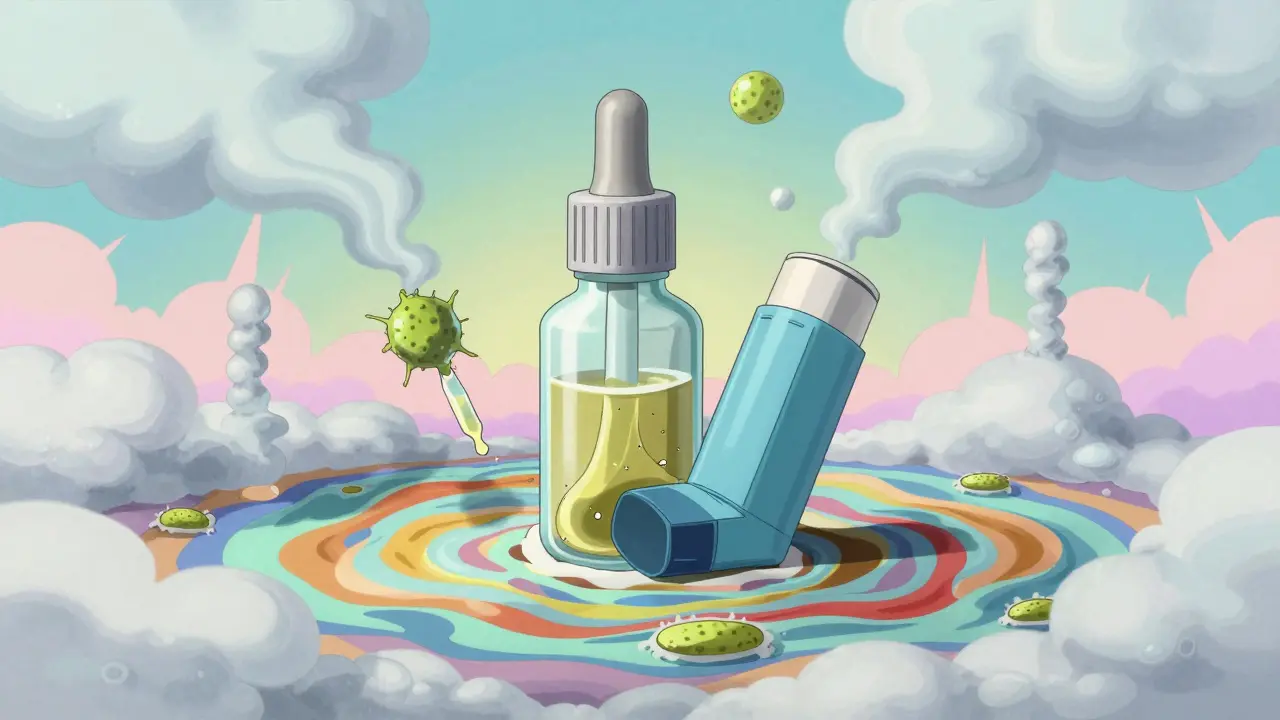
Eye drops carry a different danger entirely: microbial growth. While many people finish a bottle of artificial tears over weeks or months, opening a container post-expiration changes its chemical barrier properties. A 2022 study in Clinical Ophthalmology found that samples stored at room temperature showed significant microbial contamination within 7 days of their expiration date. Contamination rates hit 38% for expired products compared to just 8% in fresh ones. Using these on inflamed eyes can turn a minor irritation into a serious infection.
Topical medications like hydrocortisone cream tend to be slightly more stable than the others, though heat plays a major role here. When stored below 25°C, they retain about 90% potency for six months past the date. However, store them in a hot car glovebox reaching 30°C, and that potency plummets to 65%. While less immediately life-threatening than an inhaler failure, reduced efficacy means your skin condition won't heal, prolonging discomfort and potential inflammation.
Risks of Using Degraded Medication
You might ask yourself why manufacturers don't extend these dates further. It comes down to the guarantee. The FDA mandates expiration dating through the Drug Listing Act of 1979, requiring manufacturers to specify the last day they can guarantee full potency and safety. Ignoring this creates a scenario where the active ingredient breaks down into unknown compounds, or conversely, the delivery mechanism fails completely.
Dr. Robert Citard, a Professor of Pharmacy Practice at Purdue University, highlighted this variance in a 2023 webinar. He noted that while fresh albuterol inhalers show a 5% variance in dosing, units 12 months past expiration can show a 35% variance. That unpredictability is dangerous. During an asthma attack, your body requires a specific amount of bronchodilator to relax airway muscles. An inconsistent dose can lead to undertreatment. This is particularly risky for patients who cannot afford newer prescriptions or who mistakenly believe their old supplies will work identically.
The American Lung Association reinforces this point in their 2023 position statement. They emphasize that relying on expired respiratory medication during acute episodes could be life-threatening. The risk isn't limited to physical harm either; there are significant financial costs associated with preventable medical visits due to medication failure. Improper management of expired respiratory meds contributes to roughly 12% of avoidable asthma-related ER visits annually, according to the American College of Allergy, Asthma, and Immunology.
Safe Disposal Protocols
If you have confirmed your medications are past their prime, how do you get rid of them? Flushing most pills is no longer recommended due to water contamination concerns, yet throwing pressurized cans in the regular trash poses explosion hazards. The U.S. Geological Survey detected medication residues in 80% of U.S. waterways tested, prompting a shift toward safer containment.
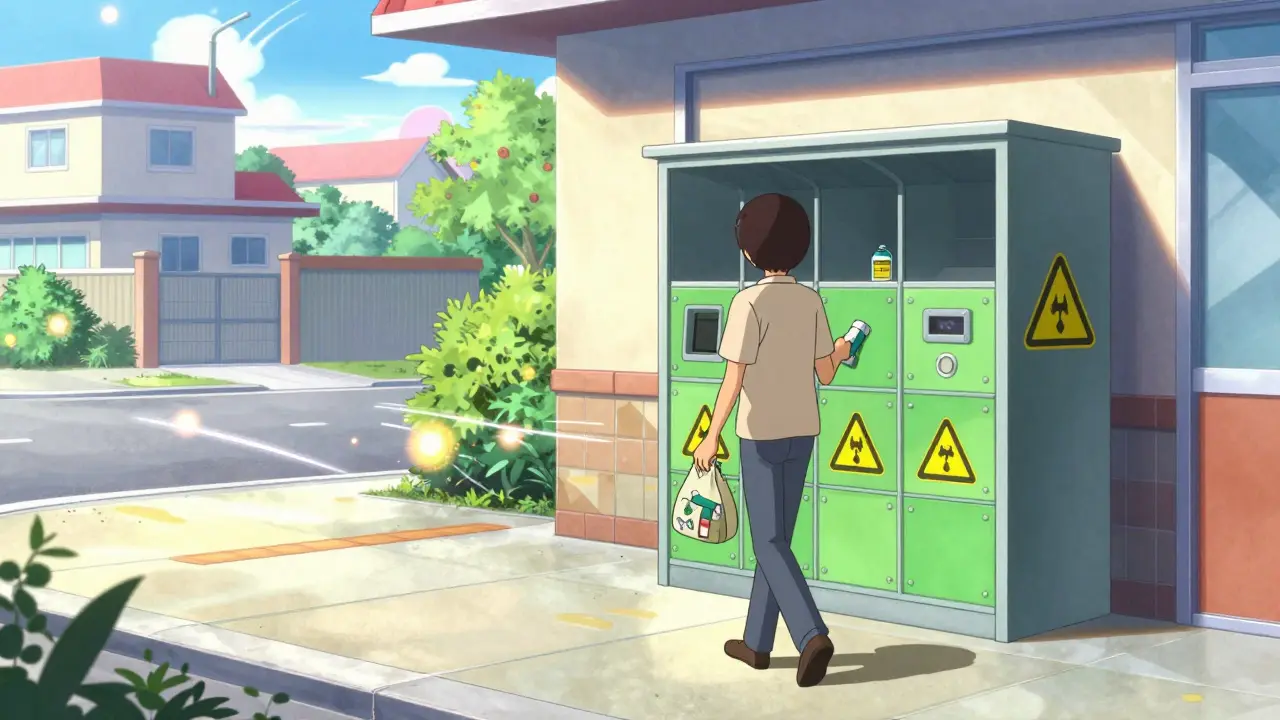
For inhalers, the pressure in the canister remains even after the medication is gone. Up to 29% residual medication can remain in expired devices. This makes them hazardous waste under the Resource Conservation and Recovery Act (RCRA). If you incinerate or crush a full can in a trash compactor, it can rupture. The safest route is utilizing a designated take-back location. As of early 2024, there were over 11,000 registered collection sites across all 50 states participating in DEA take-back programs.
Major pharmacy chains like CVS and Walgreens also offer free drop-off boxes in thousands of locations. These kiosks are designed to handle both liquids and solids safely. If you live in Washington State, for instance, health guidelines specifically recommend using prepaid mailers designed for inhaler disposal. Other regions may require checking local hazardous waste facilities. Never attempt to vent the remaining gas into the open environment, as the propellant gases are volatile and contribute to ozone depletion or other environmental issues.
When take-back sites are unavailable-such as in rural counties where only 22% have accessible locations-you can follow FDA guidelines for home disposal. Remove the medication from the device if possible (like the plastic mouthpiece), mix the contents with an unappealing substance like coffee grounds or cat litter, seal it tightly in a container, and place it in household trash. This discourages accidental retrieval by children or pets and prevents leaching in landfills.
Myths vs. Facts Regarding Shelf Life
A persistent rumor suggests that many drugs stay effective years past their dates, citing the military's Shelf Life Extension Program (SLEP). It is true that SLEP found 88% of 122 drug products maintained potency for 1-5 years beyond expiration when stored in ideal conditions. However, this program explicitly excludes pressurized inhalers. Military stockpiles are kept in climate-controlled vaults, which replicates the "ideal" scenario rarely found in a home bathroom or bedroom.
Your home environment fluctuates in temperature and humidity constantly. Bathrooms, with their frequent steam from showers, are the worst place to store anything moisture-sensitive. Even in a cool drawer, the lack of constant monitoring means you cannot verify the stability like the military does. Relying on SLEP data for personal use is unsafe because it applies to bulk storage in controlled environments, not individual daily-use containers.
Furthermore, expiration dates are technically "potency dates," not necessarily "safety dates," according to FDA guidance. This distinction is crucial. A pill might still kill bacteria or lower blood pressure after the date, but the manufacturer stops guaranteeing that level of strength. With unstable liquids like nitroglycerin or epinephrine, the breakdown happens faster and results in complete uselessness quickly. For chronic conditions where dosage precision matters, that uncertainty is not a gamble worth taking.
Managing Your Medicine Cabinet
Preventing the accumulation of expired goods is the best strategy. Start by organizing your cabinet so older items sit in front of newer ones-just like grocery store shelves. Set a reminder on your phone to check expiration dates every six months. Many modern smart caps, like the GPS-enabled cap released by Propeller Health, alert users 30 days before expiration directly to their smartphone, offering instructions for disposal automatically.
For families managing multiple prescriptions, create a central log. When filling a prescription, note the expiration date next to the bottle. If you have a large supply due to insurance requirements, calculate the total number of doses against the shelf life to know exactly when to discard the remainder.
| Type | Typical Shelf Life | Primary Risk Post-Expiration | Disposal Method |
|---|---|---|---|
| Metered-Dose Inhalers | 12 Months | Dosage inconsistency (Propellant) | Hazardous Waste Box |
| Dry Powder Inhalers | 12-18 Months | Potency loss (Humidity) | Hazardous Waste Box |
| Eye Drops | 28 Days (Opened) | Bacterial Contamination | Mix with Coffee Grounds |
| Hydrocortisone Cream | 12-24 Months | Reduced Efficacy | Trash (Sealed) |
Cleaning up your storage space reduces clutter and stress. If you are unsure about a specific batch, consult a pharmacist rather than risking trial and error. The community resources available, such as the Medicine Safe Disposal Hotline, handled over 147,000 calls in 2023 alone, showing that millions of people share these concerns. Getting the right advice takes minutes but safeguards years of health.
Common Questions About Expired Meds
Can I use an expired rescue inhaler if I'm having trouble breathing?
No. In an emergency, reliability is key. Studies indicate expired albuterol may deliver only 60-70% of the required dose. If your primary inhaler is expired, call for help or go to a nearby pharmacy. Do not rely on the device for acute asthma control.
Where can I throw away my empty nebulizer cups?
Nebulizers are generally plastic and can go in recycling if cleaned. However, check with your local facility. Unlike pressurized inhalers, they contain no hazardous propellant. Wash them out first to remove residue.
Are eye drops safe two weeks past expiration?
It depends on if the bottle was opened. Unopened bottles might retain chemistry, but once opened, preservatives weaken. After 28-30 days of use, or any time past the printed date, the risk of bacteria entering the eye increases significantly. It is safer to replace them.
Why do some pills have longer shelf lives than others?
Stability testing varies by form. Liquid and suspension drugs degrade faster than solid tablets. Also, the excipients (fillers) used in manufacturing affect stability. Drugs with high sensitivity to moisture or light get shorter expiration dates to account for typical handling errors.
Is flushing medications ever okay for disposal?
Only for opioids and other high-risk drugs specifically marked as flushable on the label (to prevent accidental ingestion by children or pets). Most medications, including inhalers and creams, should never be flushed due to water system contamination risks.


surely nobody actually keeps inhalers in the shower stall anymore right
This information is absolutely wonderful!!! It is so important that we stay safe!!! Everyone needs to check their cabinets right now!!! Safety is always the priority!!! We can all do this!!! Keep your loved ones protected!!!
The big pharma companies don't want you to know the real shelf life!!! They just want you to keep buying new batches constantly!!! These expiration dates are a control mechanism!!! They claim safety while ignoring the truth about chemical stability!!! Trust the people not the labels!!!
American regulations are much stricter than anywhere else in the world!!! You cannot compare our FDA standards to other countries!!! This data proves we care about safety more than anyone else!!! Foreign systems ignore these risks completely!!! Stick to domestic guidelines at all times!!!
Stability testing is critical for bioavailability and therapeutic index preservation. Propellant degradation affects aerosol particle size distribution significantly in pressurized systems. Microbial contamination vectors increase exponentially after preservative depletion occurs in liquids. Humidity levels in residential storage often exceed recommended parameters drastically during summer months. Potency variance can lead to subtherapeutic clinical outcomes immediately upon administration. Inhaler valve mechanisms suffer wear and tear even without actuation events frequently over time. Topical formulations separate over extended periods past their printed expiration points visibly. Ophthalmic solutions present ocular surface compromise risks if compromised chemically by bacteria. Environmental regulations regarding pharmaceutical waste disposal are becoming stricter globally to protect waterways. Take-back programs mitigate the environmental impact of volatile propellants effectively through containment. Patients should prioritize inventory management within their personal medicine cabinets consistently every six months. Regular audits of household pharmaceutical stocks prevent accidental misuse scenarios easily in emergencies. Consultation with licensed professionals ensures safe handling protocols are followed correctly during disposal. Understanding chemical kinetics helps explain why expiration dates exist fundamentally in the industry. Ultimately patient safety depends on adhering to manufacturer specifications strictly at all times.
You really need to be responsible about this!!! 🛑🏥 Just throw it away properly!!! 🗑️ Don't hurt yourself with old meds!!! 💔 Safety comes first always!!! 👆👀
most people lack the discipline to manage their own health items properly so they rely on rules they dont understand while wasting resources and creating messes in landfills that could be handled better with education instead of regulation
We must consider the broader implications of waste versus utility. It creates a moral dilemma when cost prevents access to fresh supplies. Balance requires wisdom and community support systems. We can learn to live harmoniously with these safety guidelines without fear.
You need to act NOW!!!!!! Stop hesitating and clear out the junk!!!!!! Life is too short to risk breathing issues!!!!!! Get those dangerous items gone!!!!!! Be strong and do what is right!!!!!!
People act so stupid about keeping these cans forever. They think magic happens after the date passes. Ignorance kills people slowly in their homes. Why do adults refuse to buy new prescriptions when old ones work less?
I am not convinced the risks are that severe for every single batch found in homes. Maybe the data varies more than they admit for certain chemical compounds. We should wait for more independent studies before changing habits completely.
clean your cabinet regularly and throw old stuff away. its good for everyone.
You must dispose of these hazardous materials immediately. Follow the local laws strictly. Do not delay any longer. Protect your family from harm.
it is often ignored here but in my area we send them back to shops so maybe you can find boxes nearby for free collection