
Sodium Reduction Impact Calculator
Your Sodium Intake
Your Potential Blood Pressure Reduction
Current sodium: 0 mg
Recommended limit: 1,500 mg
Potential reduction: 0 mm Hg
Examples: 1 slice bread (230mg) • 1 cup soup (800mg) • 1 bag chips (400mg)
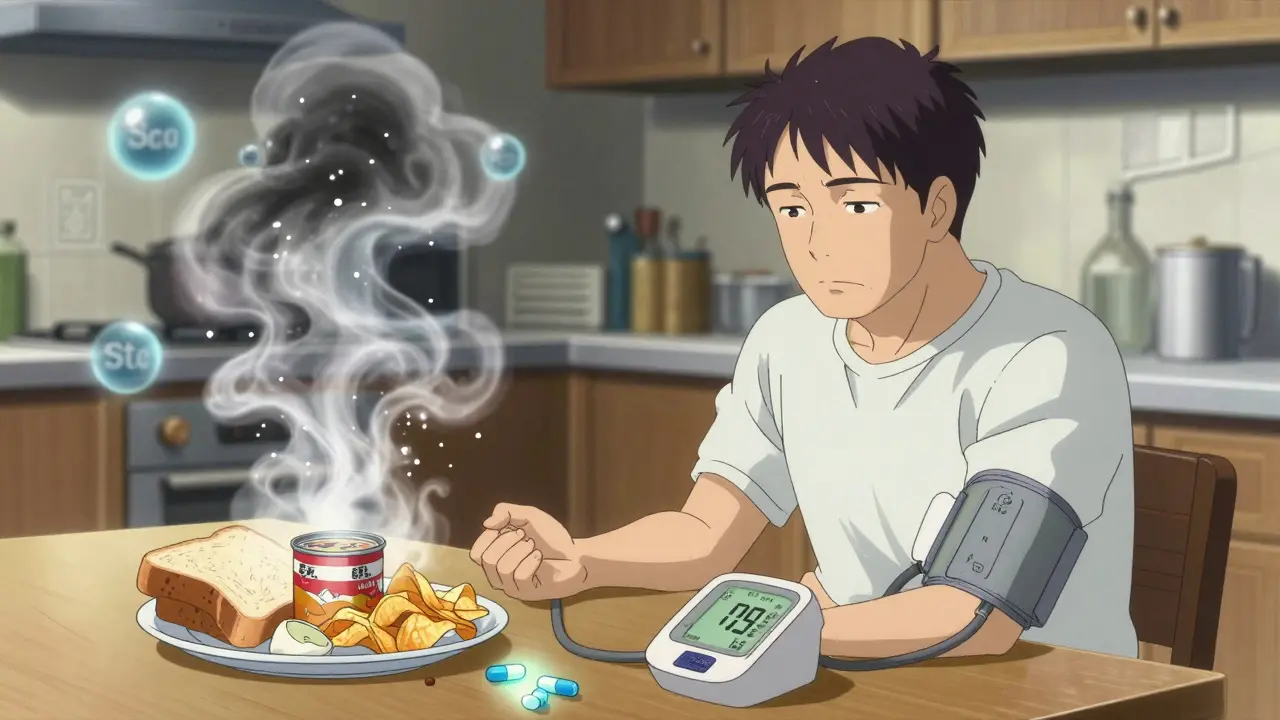
If you're taking blood pressure medication and still struggling to get your numbers under control, the problem might not be the drug-it might be what’s on your plate. Salt is quietly sabotaging your treatment, even if you think you’re being careful. Most people assume their high blood pressure is fixed once they start pills. But research shows that eating too much sodium can make those pills work half as well-or even worse.
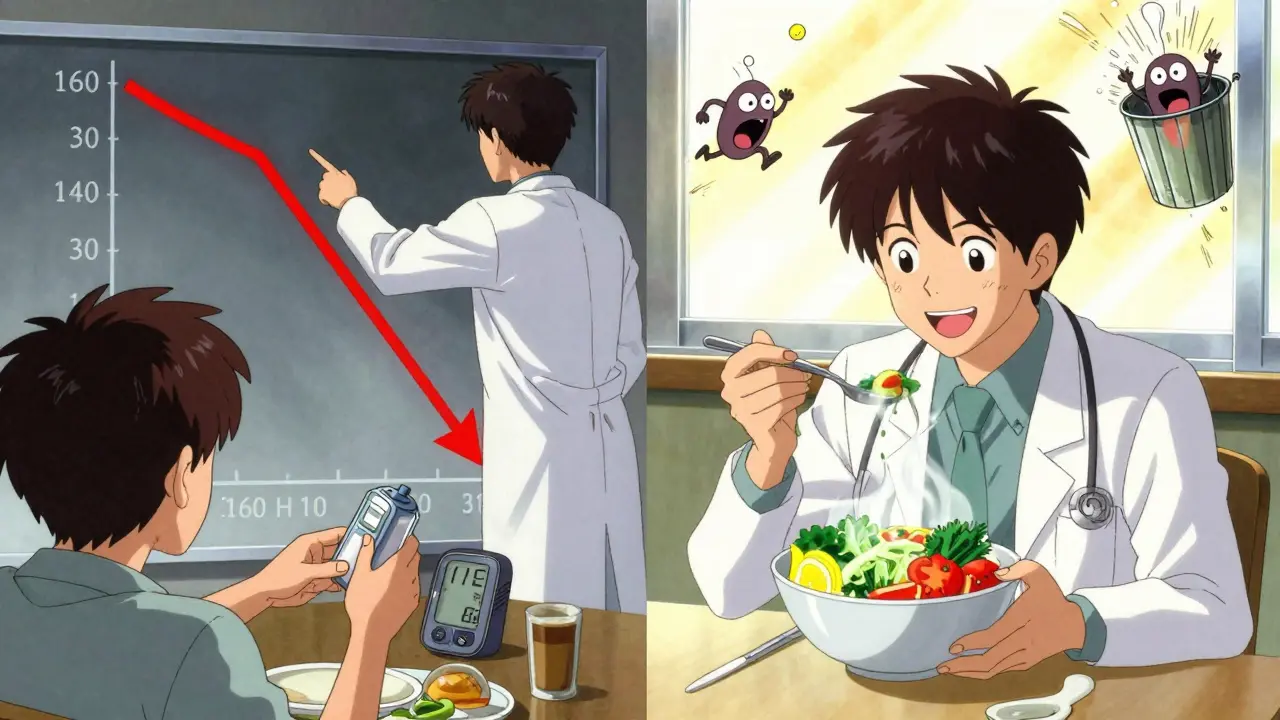
A major 2023 study published in JAMA looked at 213 adults, mostly over 60, many on blood pressure meds. They were put on three different diets: their normal one (around 4,500 mg of sodium a day), a high-sodium version (adding 2,200 mg more), and a very low-sodium one (just 500 mg total). The results were shocking. Switching from their usual diet to the low-sodium one dropped systolic blood pressure by 6 mm Hg. That’s the same drop you’d get from starting a first-line medication like an ACE inhibitor. And here’s the kicker: this happened in people who were already taking pills. Salt didn’t just add to the problem-it blocked the solution.
Why Salt Makes Your Meds Less Effective
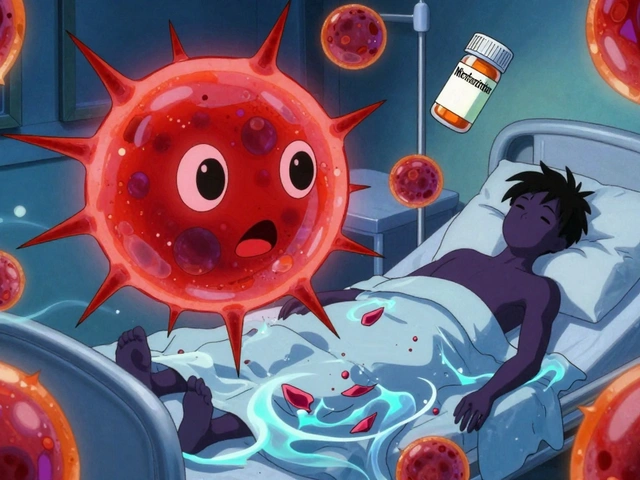
Your blood pressure medications don’t work in a vacuum. They rely on your body’s natural systems to function properly. Too much sodium throws those systems into chaos. When you eat salt, your body holds onto water. That increases blood volume, which pushes harder against your artery walls. Medications like diuretics try to flush out that extra fluid. ACE inhibitors and ARBs relax your blood vessels. But if you keep flooding your system with sodium, those drugs are fighting an uphill battle.
Think of it like this: if you’re trying to clean a dirty floor with a mop, but someone keeps spilling water all over it, you’ll never get it clean. Sodium is that constant spill. Studies show that when sodium intake drops, blood vessels become more flexible, fluid builds up less, and your heart doesn’t have to work as hard. That’s why doctors see better results when patients cut salt-sometimes even enough to reduce their pill dose.
The Numbers Don’t Lie
The science is clear and specific. For every 50 mmol (about 1,150 mg) of sodium you cut from your daily intake, your systolic blood pressure drops by roughly 1.1 mm Hg. For people with high blood pressure, the effect is even stronger: each 100 mmol reduction leads to a 5.4 mm Hg drop. That’s not a small change. It’s the difference between staying on two medications or maybe only needing one.
And it’s not just about the numbers. High sodium also makes your kidneys leak more protein into your urine-a sign of damage that medications like ACE inhibitors are supposed to prevent. But if you’re eating too much salt, those drugs lose their protective power. For people with diabetes or kidney disease, this isn’t just about blood pressure-it’s about avoiding long-term organ damage.
Who’s Most Affected?
Not everyone responds the same way. About 25-30% of people don’t see much change when they cut salt. But that doesn’t mean salt doesn’t matter for them. It means their bodies handle sodium differently. The rest of us-70-75% of the population-see real, measurable improvements. Older adults, Black Americans, and those with higher starting blood pressure see the biggest drops. And here’s something important: you don’t need to be diagnosed with hypertension to benefit. Even people with normal blood pressure saw lower numbers when they ate less salt.
The study participants were 65% female and 64% Black, which matters because these groups often have higher rates of hypertension and are more salt-sensitive. Yet, many doctors still don’t emphasize sodium reduction as strongly as they should. The message is clear: if you’re on blood pressure meds, salt isn’t just a lifestyle issue-it’s a treatment issue.
Where the Salt Really Hides
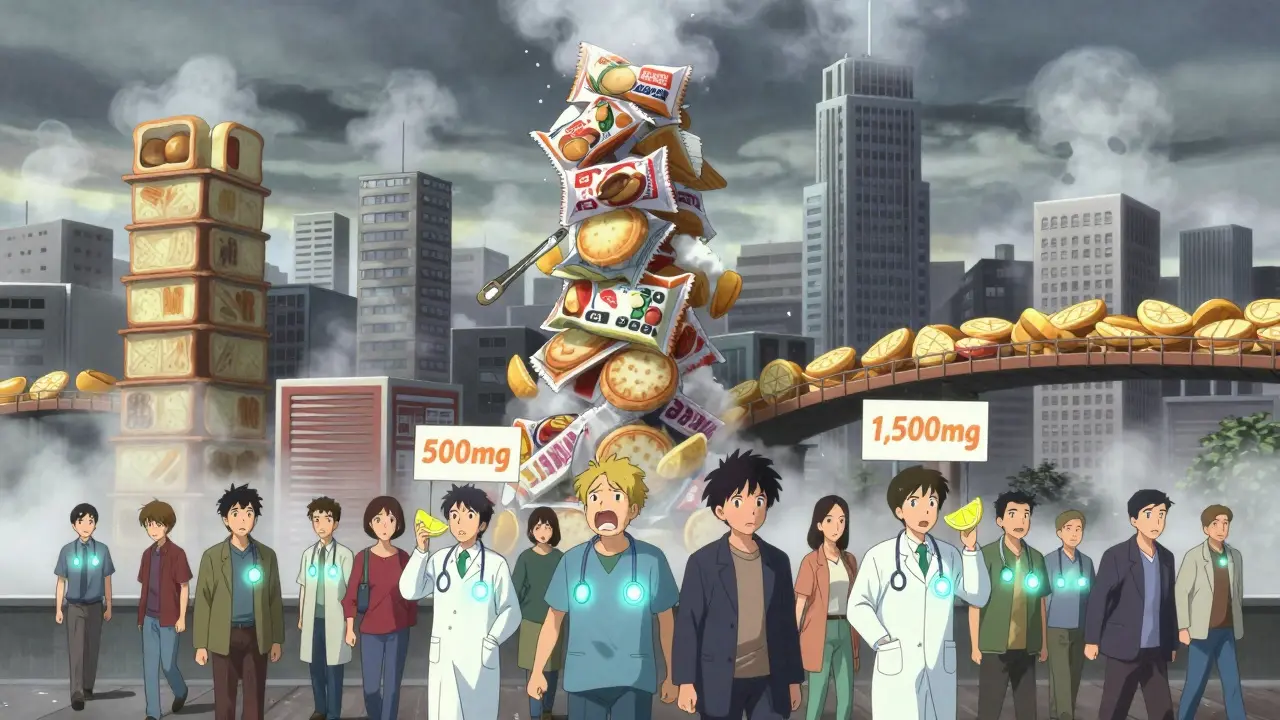
You might think you’re avoiding salt because you don’t use the shaker. But here’s the truth: less than 15% of the sodium you eat comes from salt you add at the table or while cooking. The rest? Processed food. Bread, canned soups, deli meats, frozen meals, sauces, and restaurant dishes are loaded with sodium. A single slice of sandwich bread can have 230 mg. A cup of canned soup? Often over 800 mg. A small bag of chips? 300-500 mg. Add a few of those together, and you’ve hit your entire daily limit before lunch.
The FDA says 70% of dietary sodium comes from packaged and restaurant food. That means even if you cook at home, you’re probably still eating too much if you’re buying store-bought items. Labels can be misleading. Look for the actual number in milligrams-not the % Daily Value. Anything under 140 mg per serving is considered low. If a product has more than that, ask yourself: is it worth it?
How to Cut Salt Without Losing Flavor
Going low-sodium doesn’t mean eating bland food. It means changing your habits. Start by swapping out one high-sodium item a week. Replace canned soup with homemade broth. Choose fresh chicken instead of deli slices. Use herbs, lemon, garlic, and vinegar instead of salt-heavy sauces. Try potassium-based salt substitutes-but only if your doctor says it’s safe. If you have kidney disease, too much potassium can be dangerous.
Also, give your taste buds time to adjust. After a few weeks, you’ll start noticing how salty most processed food really is. You might even find that you prefer the natural flavors of food. One patient told researchers she stopped craving salty snacks after just three weeks. She didn’t feel deprived-she felt more in control.
How Fast Can You See Results?
You don’t need to wait months. The JAMA study showed blood pressure changes within seven days of switching to a low-sodium diet. That’s faster than most medications take to kick in. It’s also why doctors are now telling patients: “Start cutting salt the same day you start your pill.” The two work together. Salt reduction isn’t a side note-it’s part of the treatment plan.
What the Guidelines Say Now
The American Heart Association recommends no more than 1,500 mg of sodium per day for optimal heart health. That’s less than a teaspoon. The absolute max? 2,300 mg. Most Americans eat over 3,400 mg. The 2023 guidelines now treat sodium reduction as a Class I intervention-meaning it’s as essential as taking your meds. The European Society of Cardiology says it’s more effective than other lifestyle changes, like losing weight or cutting alcohol.
And it’s not just theory. The American Heart Association estimates that if everyone in the U.S. cut sodium to 2,000 mg a day, we could prevent 280,000 to 500,000 heart-related deaths over ten years. That’s not a guess. It’s based on CDC modeling using real-world data.
What’s Next?
Researchers are already building tools to help. A mobile app is being tested that tracks your sodium intake in real time and alerts you if your salt intake might be interfering with your medication. It’s in Phase II trials right now. Meanwhile, food companies are slowly lowering sodium levels-FDA targets aim to bring average intake down to 3,000 mg by 2026. But that’s still too high. Experts say we need to get closer to 1,500 mg to see real public health gains.
The bottom line? If you’re on blood pressure medication, salt isn’t just something to avoid. It’s a key part of your treatment. Cutting it isn’t about being perfect. It’s about making your meds work better. And that’s something worth changing your habits for.
Can I still eat out if I’m trying to cut salt for my blood pressure meds?
Yes, but you need to be smart. Fast food and chain restaurants are the worst offenders. Ask for sauces on the side, skip the cheese and bacon, and choose grilled or steamed options over fried. Many places now list sodium content online-check before you order. A salad with dressing on the side can be lower in sodium than a sandwich. Don’t be afraid to ask: "Can you prepare this without added salt?" Most kitchens will accommodate you.
Does sea salt or Himalayan salt have less sodium than table salt?
No. All types of salt-table, sea, kosher, Himalayan-are mostly sodium chloride. They may have different textures or trace minerals, but they contain the same amount of sodium by weight. A teaspoon of any kind gives you about 2,300 mg of sodium. The idea that some salts are healthier is a marketing myth. If you’re cutting sodium, reduce all salt, no matter the label.
I have kidney disease. Should I still cut salt?
Yes-but talk to your doctor first. Cutting salt helps lower blood pressure and reduces protein in the urine, which protects your kidneys. But if you’re on certain medications or have advanced kidney disease, you might need to avoid potassium-based salt substitutes. These can raise potassium levels dangerously. Your doctor can help you find a safe balance between sodium reduction and potassium safety.
Will cutting salt help if I’m on diuretics?
Absolutely. Diuretics work by flushing out extra fluid-but if you’re eating too much salt, your body just holds onto more fluid again. Cutting salt makes diuretics work better and reduces side effects like cramps and dizziness. Many people on diuretics are told to eat more potassium-rich foods, but that doesn’t mean you should eat more salt. The goal is to reduce sodium and get potassium from natural sources like bananas, spinach, and potatoes-not supplements or salt substitutes unless approved.
How do I know if I’m salt-sensitive?
You probably are, even if you don’t realize it. About 70-75% of people with high blood pressure are salt-sensitive. Signs include your blood pressure staying high despite medication, or seeing a big drop when you cut salt. If you’re over 50, Black, or have diabetes or kidney disease, you’re even more likely to be sensitive. The easiest way to find out? Try cutting sodium for two weeks and track your blood pressure at home. If your numbers drop by 5 mm Hg or more, salt is a major factor for you.
Can I stop my blood pressure meds if I cut salt?
Never stop your medication without talking to your doctor. Cutting salt can help you reduce your dose, but it doesn’t replace the need for treatment. Many patients do end up on lower doses after improving their diet. But that decision must be made with medical supervision. Your doctor can monitor your blood pressure and adjust your meds safely-never try to do it on your own.




I was skeptical at first but cut salt for 2 weeks after reading this and my BP dropped 8 points. No joke. I thought my meds were working fine but turns out i was just drowning in sodium from canned soup and bread. Who knew one slice of bread had 230mg? I’m now reading labels like my life depends on it. Which, honestly, it kinda does.
Also side note: i miss salt. like a lot. but my snacks taste weird now. in a good way?
This is an exceptionally well-researched and clearly articulated piece. The integration of clinical data with practical dietary guidance is both rare and profoundly valuable. I particularly appreciate the emphasis on sodium as a pharmacodynamic modifier rather than merely a lifestyle factor. It reframes patient agency in a manner that is neither coercive nor oversimplified. Thank you for elevating this discourse.
YESSSS. I’ve been telling my patients this for YEARS. Sodium is the silent saboteur. Diuretics? They’re basically trying to mop up a flood while someone’s running a hose. You think you’re doing everything right-meds, gym, sleep-but if your lunch is a sodium bomb, you’re just spinning your wheels.
And guess what? Your taste buds reset. Three weeks in and suddenly you can taste basil. Like, ACTUALLY taste it. It’s magic. Stop overthinking it. Just swap one thing this week. Canned soup → broth. Done. You got this.
You people are so gullible. This is all Big Pharma and Big Food pushing a narrative to keep you dependent. The real cause of hypertension? Chronic stress from government overreach and chemical-laden water. Salt? A scapegoat. You think your doctor cares? They’re paid to keep you on pills. Read the FDA’s own reports-they admit most sodium reduction studies are funded by industry. Wake up. The system is rigged.
The reduction in systolic pressure observed in the JAMA study-6 mm Hg-is statistically significant, yes, but one must interrogate the effect size in the context of confounding variables. The cohort was predominantly elderly and of African descent, both of which are associated with heightened renin-angiotensin-aldosterone system (RAAS) activity. This suggests that the observed benefit may not generalize to younger, non-salt-sensitive populations, which comprise approximately 25-30% of the demographic. Moreover, the low-sodium diet (500 mg) is physiologically extreme; the human body requires a minimum of 500 mg just for homeostasis. To advocate for such a regimen without acknowledging potential electrolyte imbalances or adrenal suppression is, frankly, reckless. The real issue is not sodium per se, but the systemic dysregulation induced by modern processed food matrices-of which sodium is merely a biomarker, not a root cause.
Okay but like… if you’re on ARBs or ACEi, doesn’t high sodium also blunt the RAAS inhibition? I’ve read that sodium overload causes tubuloglomerular feedback to go haywire and makes the kidneys less responsive to vasodilators. Is that why the proteinuria protection drops? Feels like this is the missing link in most patient education.
Mate, I went low-salt after this and now I’m basically a human herb garden. Garlic, lemon zest, smoked paprika-my food’s got more personality than my ex. And guess what? My BP’s stable. No more dizziness. Also, I’ve started putting a little chili flake on everything. It’s like I’ve unlocked a new life mode. 🌶️😎
I’m a 68-year-old guy on three meds. Cut salt, started walking, and in 10 days my BP dropped enough that my doc cut one pill. No joke. It’s not about being perfect. It’s about being consistent. One less pill = less side effects, less cost, less hassle. This isn’t a diet. It’s a treatment upgrade. Do the swap. You won’t regret it.