
Sulfonamide Allergy Safety Checker
Sulfonamide Allergy Safety Checker
This tool helps determine if medications with "sulf" in their name are safe for you based on your allergy history.
Your Allergy History
People often hear the term sulfa allergy and assume it means they can’t take any medication with sulfur in it. That’s not true. And misunderstanding this simple distinction can lead to worse health outcomes, unnecessary side effects, and even contribute to antibiotic resistance. If you’ve been told you’re allergic to sulfa, you probably don’t need to avoid hydrochlorothiazide, celecoxib, or furosemide. But you might need to avoid sulfamethoxazole or sulfadiazine. The difference isn’t in the word “sulf” - it’s in the chemical structure.
What Really Causes a Sulfonamide Allergy?
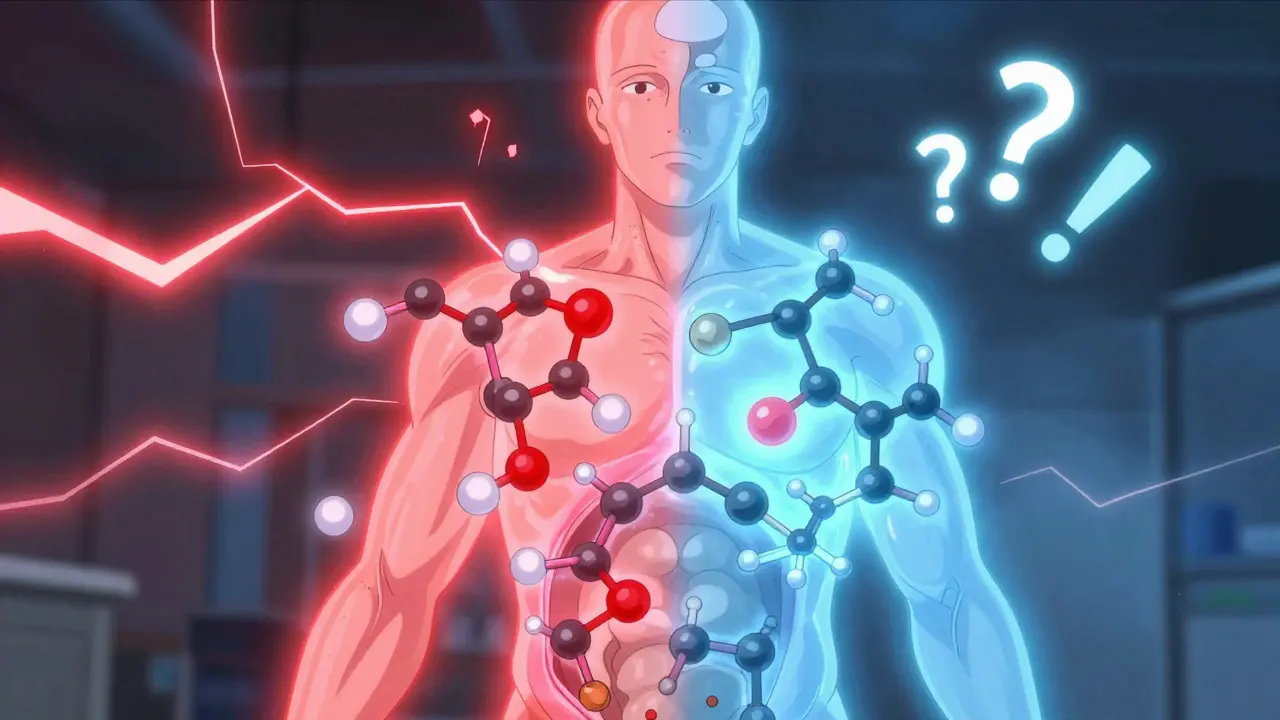
Not all sulfonamides are the same. The term “sulfa allergy” usually refers to a reaction to antimicrobial sulfonamides - antibiotics like sulfamethoxazole (often paired with trimethoprim as Bactrim or Septra), sulfadiazine, and sulfacetamide. These drugs have a very specific molecular shape: an arylamine group attached at the N4 position and a nitrogen-containing ring at the N1 position. This structure is what triggers immune reactions in rare cases. But here’s the key: nonantimicrobial sulfonamides - the ones used for blood pressure, glaucoma, or arthritis - don’t have that same shape. Drugs like hydrochlorothiazide (a diuretic), furosemide (Lasix), acetazolamide (for altitude sickness), and celecoxib (Celebrex) contain the SO₂NH₂ group, yes, but they lack the arylamine and ring structure that makes antimicrobial sulfonamides allergenic. That’s why the immune system doesn’t recognize them as threats. A 2022 study in the Journal of Allergy and Clinical Immunology found that only 0.3% to 0.5% of people actually have a true IgE-mediated allergy to sulfonamide antibiotics. Yet, up to 12% of people in medical records claim a “sulfa allergy.” Most of those reactions were mild rashes, nausea, or headaches - side effects, not allergies. Many were misdiagnosed decades ago and never re-evaluated.What You Can Still Take - Even With a Sulfa Allergy
If you’ve been told you’re allergic to sulfa, here’s what you can likely take without risk:- Hydrochlorothiazide - a common blood pressure pill
- Furosemide - used for fluid retention and heart failure
- Acetazolamide - for glaucoma, altitude sickness, or seizures
- Celecoxib - a pain reliever for arthritis
- Metformin - a diabetes drug that contains no sulfonamide structure
What You Should Still Avoid
Now, here’s what you should avoid if you’ve had a true allergic reaction to an antimicrobial sulfonamide:- Sulfamethoxazole-trimethoprim (Bactrim, Septra)
- Sulfadiazine (used for urinary tract infections and burn wounds)
- Sulfacetamide (eye drops and skin creams)
- Sulfasalazine (used for ulcerative colitis and rheumatoid arthritis)
- Dapsone (used for leprosy and Pneumocystis pneumonia prevention)
Why This Matters - Real Consequences
Avoiding sulfonamide antibiotics when you don’t need to has real costs. A 2021 study in Clinical Infectious Diseases found that patients labeled with a sulfa allergy received broader-spectrum antibiotics 33% of the time. These drugs - like fluoroquinolones (Cipro, Levaquin) - carry black box warnings for tendon rupture, nerve damage, and aortic aneurysm. They’re also major drivers of antibiotic resistance. The financial impact is huge. In the U.S. alone, unnecessary avoidance of sulfonamide antibiotics costs the healthcare system over $1.2 billion a year. Hospitals spend more on longer stays, more expensive drugs, and treating complications from inappropriate alternatives. And it’s not just about money. One Reddit user, HypertensivePatient87, shared that for 10 years, doctors refused to prescribe hydrochlorothiazide because of a childhood rash. He ended up on less effective meds that made him dizzy and tired. He wasn’t allergic - he was mislabeled.What Your Doctor Should Do - And What You Should Ask
If you’ve been told you have a sulfa allergy, ask these questions:- What exactly happened? Was it a rash? Nausea? Difficulty breathing?
- When did it happen? Did it occur within minutes of taking the drug, or days later?
- Which drug caused it? Was it Bactrim? Or something else?
Common Myths About Sulfa Allergies
There are a lot of misunderstandings floating around. Let’s clear them up:- Myth: If you’re allergic to sulfa, you can’t take sulfur, sulfates, or sulfites. Truth: These are chemically unrelated. Sulfur is an element. Sulfates are in Epsom salt. Sulfites are preservatives in wine. None of these trigger sulfonamide allergies. A 2020 survey found 43% of doctors still got this wrong.
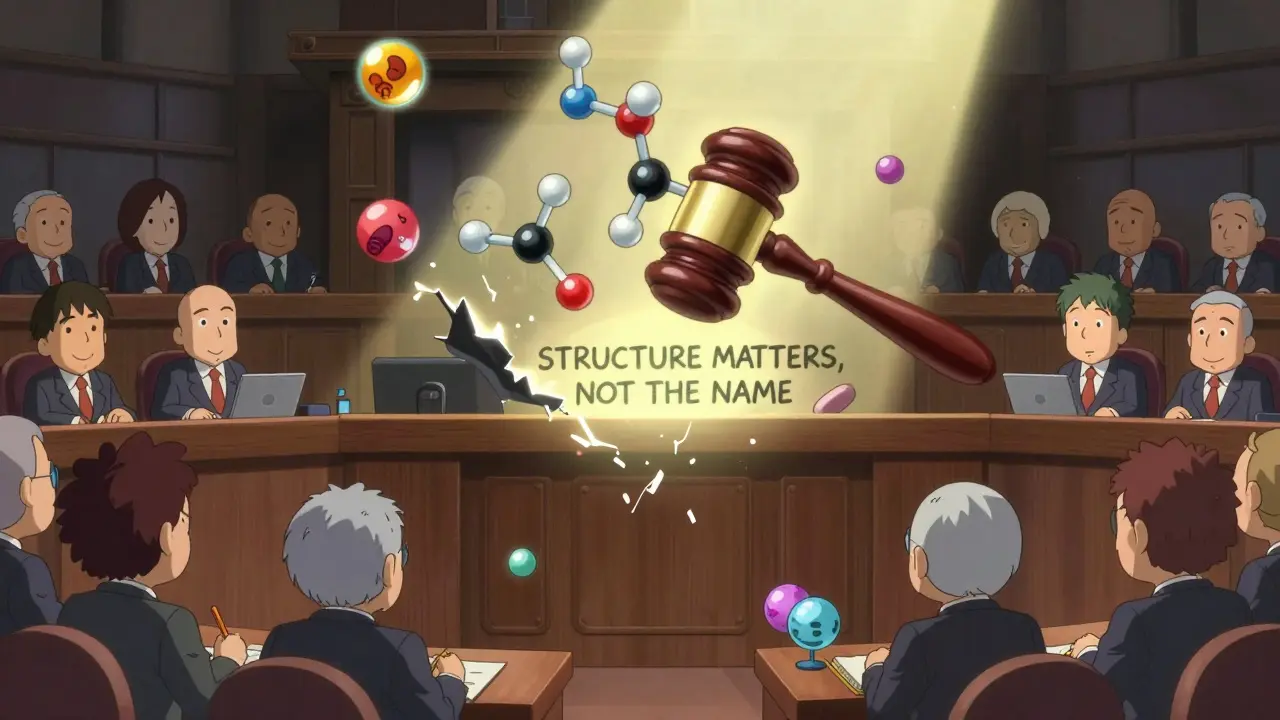
- Myth: All drugs with “sulfa” in the name are dangerous. Truth: Celecoxib has “sulf” in the name, but it’s not an antibiotic. Same with furosemide. The name doesn’t matter - the structure does.
- Myth: Once you’re allergic, you’re always allergic. Truth: Allergies can fade. Many people outgrow reactions, especially if they were mild and occurred decades ago.







Wow. Another medical myth being pushed by people who clearly never had to deal with a real allergic reaction. I had Stevens-Johnson from Bactrim at 19. You think I’m just being dramatic? I spent three weeks in the ICU. Now you want me to just ‘get tested’ like it’s a damn grocery list? This isn’t ‘mislabeling’-it’s negligence dressed up as science.
Hey everyone-this is huge. I used to avoid every pill with ‘sulf’ in it after a rash from sulfamethoxazole in college. Turned out I was fine with HCTZ, celecoxib, even furosemide. My BP dropped like magic and I stopped feeling like a zombie. If you’ve been told you’re allergic to sulfa, don’t panic-ask your doc for a referral. You might be able to ditch the expensive, dangerous alternatives. Seriously-this could change your life.
Let’s be real-this is just Big Pharma’s way of pushing more profit-driven drugs. They don’t want you on cheap, safe diuretics. They want you on $200/month generics with black box warnings. And now they’re rewriting medical history to make you feel guilty for protecting yourself. Who benefits? Not you. Not me. The system. Always the system.
OMG YES 🙌 I’m a nurse and I’ve seen this SO MUCH. Patients avoiding HCTZ because they had a rash from Bactrim in 1998. Then they end up with edema, heart failure, and get put on IV Lasix for a week. Meanwhile, we could’ve just given them a $0.03 pill. Also-sulfites ≠ sulfa. No, your wine headache is not related. Stop blaming your hangover on your ‘sulfa allergy’ 😅
Great breakdown. I’ve been telling my patients this for years. The confusion between sulfonamide antibiotics and non-antibiotic sulfonamides is one of the most common-and dangerous-misconceptions in primary care. If you’re unsure, don’t guess. Ask for an allergist consult. A simple graded challenge can clear up 90% of these labels. You deserve better meds. Don’t let outdated labels hold you back.
this is why people die from wrong antibiotics. stop guessing. ask for the real drug name. not just 'sulfa'.
Stop letting doctors scare you. If it’s not Bactrim, you’re probably fine.
The epidemiological data here is statistically significant but clinically misleading. The 0.3–0.5% IgE-mediated rate is irrelevant to the broader immunological context of T-cell-mediated delayed hypersensitivity, which accounts for >90% of documented ‘sulfa allergies.’ The JAMA study’s 1.3% cross-reactivity rate fails to account for non-IgE mechanisms, and the 98% tolerance rate for HCTZ is confounded by selection bias-only low-risk patients were enrolled. Until we validate with basophil activation testing or lymphocyte transformation assays, this remains anecdotal.
So now we’re supposed to trust some 2022 journal study over decades of real-world reactions? I’ve seen patients go into anaphylaxis from Celebrex. You think that’s coincidence? This is just another liberal medical myth to make doctors feel less guilty about misdiagnosing. And don’t get me started on how this helps Big Pharma sell more expensive drugs. Wake up.
Look, I’m not saying this is wrong. But I’ve been avoiding all sulfa drugs since I was 12. I’ve never had a problem with HCTZ. But I also never had a rash from Bactrim-I just got told I was allergic by a nurse who didn’t know the difference. So now I’m supposed to trust a study? What if I’m the 1 in 100 who *does* react? Who’s responsible when I end up in the ER? Not the doctor. Not the study. Me.
Another one of these ‘you’re not really allergic’ articles. I had a blistering rash after sulfamethoxazole. I didn’t just ‘get a rash.’ I lost skin. I was hospitalized. And now you’re telling me I’m just ‘misinformed’? You don’t get to decide what my body went through. This isn’t a myth-it’s trauma. And you’re minimizing it.
I’m a pharmacist. I’ve reviewed over 2000 allergy lists. 80% of them are wrong. People say ‘sulfa allergy’ and mean ‘I got a stomachache once.’ I’ve had patients cry because they thought they couldn’t take their glaucoma drops. You can take them. You’re probably fine. Don’t let fear rule your meds. Talk to a real allergist-not Google. And if you’re scared? Ask for a test. It’s quick. It’s safe. It’s life-changing.
my grandma was told she was allergic to sulfa in the 70s after a rash. she avoided every diuretic and ended up with heart failure. last year, her doctor finally tested her-she tolerated HCTZ fine. she’s been on it for 8 months now, no issues. her BP is normal, she’s got energy again. if you’ve been avoiding meds because of an old label-please, get it checked. it’s not risky. it’s just forgotten.
This is one of those posts that should be shared everywhere. I’ve spent years explaining to patients that ‘sulfa’ isn’t a monolith. I even made a one-page handout for my clinic. People are terrified of the word ‘sulf’-and it’s killing them with worse meds. Thank you for laying it out so clearly. Let’s get this info into every ER, every primary care office, every pharmacy. This isn’t just medical-it’s moral.