

Medication Emergency Symptom Checker
This tool helps you determine if your symptoms indicate a medical emergency related to medication side effects. Based on guidelines from the FDA and medical professionals, select any symptoms you're experiencing.
Every year, more than 106,000 people in the U.S. die from adverse reactions to medications. Many of these deaths happen because symptoms were ignored-or worse, mistaken for something minor. If you or someone you care about is taking prescription drugs, over-the-counter pills, or even herbal supplements, knowing when to seek emergency care isn’t just helpful-it could save a life.
What Counts as a Medication Emergency?
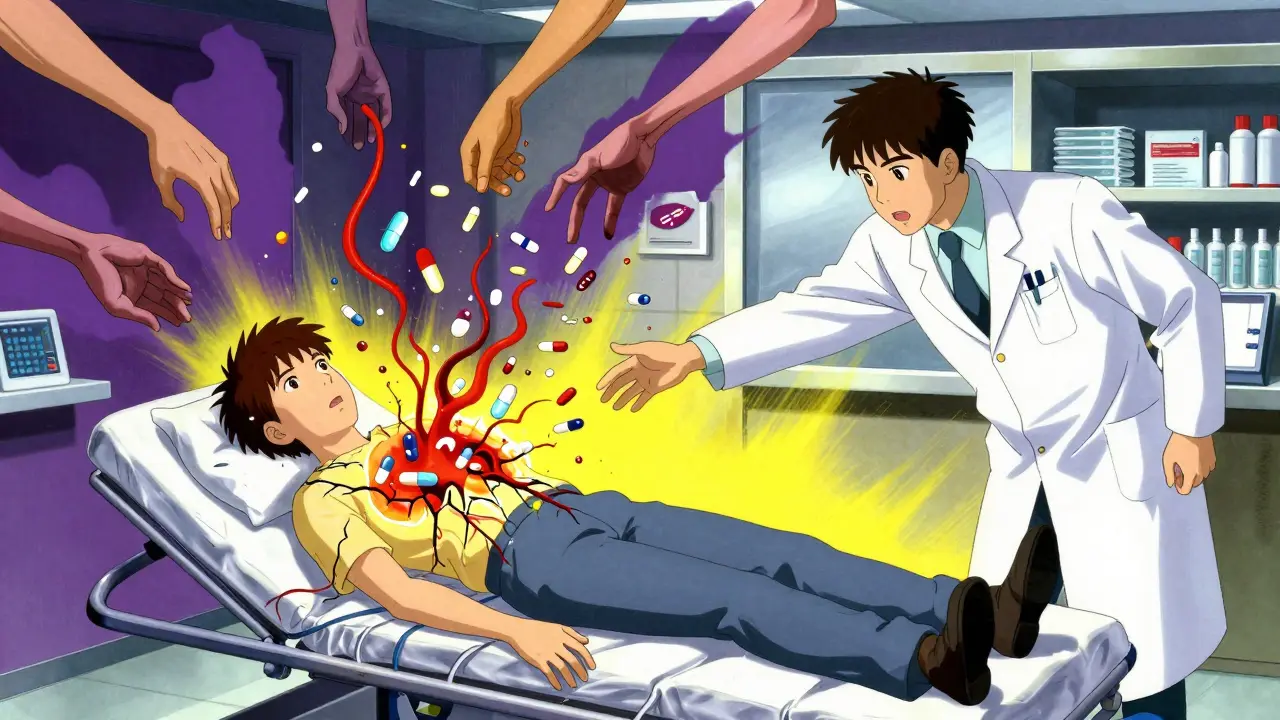
Not every side effect needs an ambulance. Mild nausea, drowsiness, or a slight rash might be annoying, but they’re not emergencies. The real danger comes when your body sends clear, urgent signals that something is seriously wrong. These are the red flags that demand immediate action:- Difficulty breathing or wheezing-even if it starts mildly. This can quickly turn into airway closure.
- Swelling of the lips, tongue, or throat-this is a classic sign of anaphylaxis, a life-threatening allergic reaction.
- Blue or gray lips or fingernails-this means your blood isn’t carrying enough oxygen.
- Sudden, severe dizziness, confusion, or slurred speech-could signal a stroke or dangerous drop in blood pressure.
- Chest pain or rapid, irregular heartbeat-especially if it comes out of nowhere after starting a new drug.
- High fever (102°F or higher) with rash or blistering skin-this could be Stevens-Johnson Syndrome, a rare but deadly reaction.
- Uncontrollable vomiting or diarrhea with signs of dehydration-dry mouth, no urination for 12+ hours, or extreme weakness.
- Unexplained bleeding-nosebleeds that won’t stop, blood in stool or urine, or bruises appearing without injury.
These aren’t "wait and see" symptoms. If any of these show up after taking a new medication-or even after changing a dose-call 911 or go to the nearest emergency room right away.
Common Medications That Trigger Dangerous Reactions
Some drugs are more likely than others to cause life-threatening reactions. You might be surprised by which ones top the list:- Antibiotics like penicillin, sulfa drugs, and amoxicillin are the most common causes of severe allergic reactions. Even if you’ve taken them before without issue, a reaction can happen at any time.
- NSAIDs-ibuprofen, naproxen, and aspirin-can cause dangerous bleeding when mixed with blood thinners like warfarin. Studies show this combo increases bleeding risk by up to 50%.
- Anticoagulants like warfarin or rivaroxaban can become deadly when combined with certain antibiotics (like ciprofloxacin) or even some herbal supplements. INR levels can spike dangerously within 24 to 48 hours.
- Insulin and diabetes drugs can cause severe hypoglycemia, leading to seizures, loss of consciousness, or coma if not treated fast.
- Barbiturates and seizure medications can trigger rare but fatal skin reactions like toxic epidermal necrolysis.
- St. John’s Wort-a popular herbal remedy for mood-can interfere with antidepressants, birth control, and heart medications, leading to serotonin syndrome or heart rhythm problems.
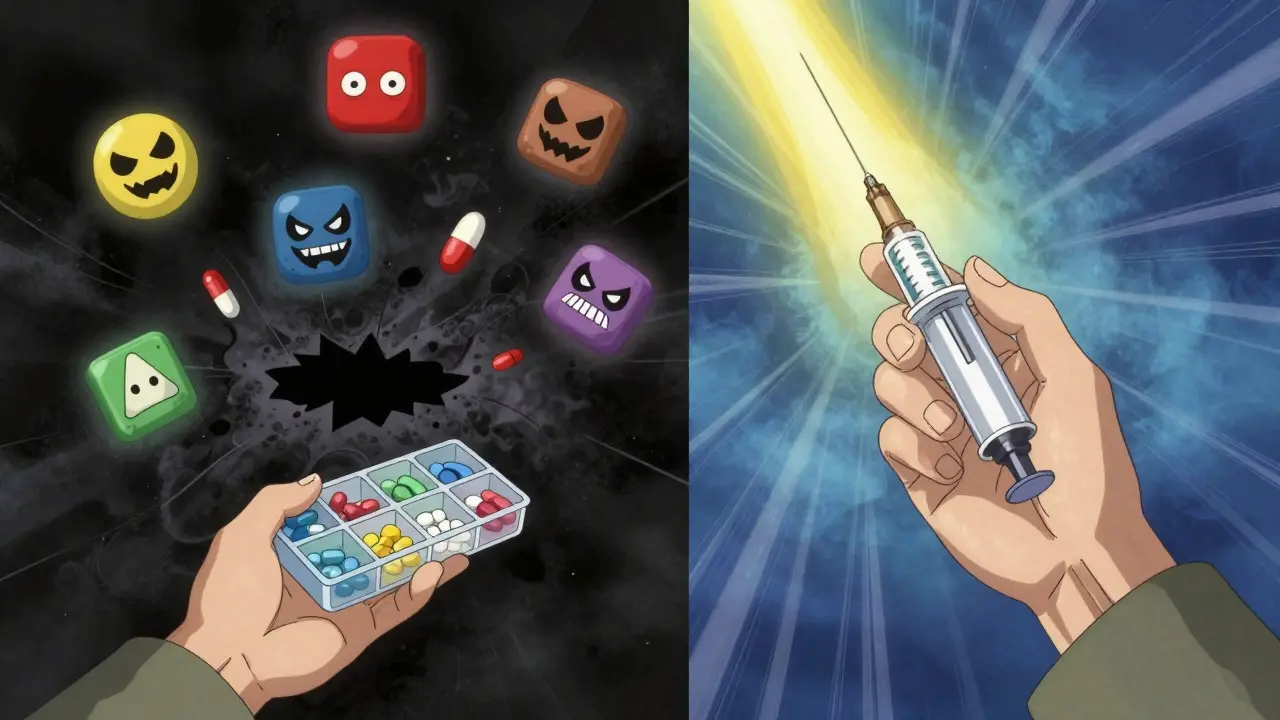
It’s not just about the drug itself-it’s about the mix. About 90% of serious adverse reactions aren’t allergies at all. They’re drug interactions. If you’re taking three or more medications daily, your risk jumps dramatically. People on five or more drugs have a 300% higher chance of a severe reaction than those on just one.
When Is It Not an Emergency? (And When You Should Still Call Your Doctor)
It’s easy to panic over every little change. But not every symptom means you’re in danger. Here’s how to tell the difference:- Mild rash without swelling or breathing trouble → Call your doctor within 24 hours. Don’t wait, but don’t rush to the ER.
- Headache or dizziness after starting a new blood pressure pill → This can be normal as your body adjusts. But if it’s severe, or you feel faint, get checked immediately.
- Upset stomach or diarrhea with antibiotics → Common. Stay hydrated. But if you see blood in stool, have a fever over 101°F, or feel weak, go to the ER-it could be C. diff infection.
- Increased urination or thirst with diabetes meds → Could be normal. But if you’re confused, breathing fast, or smell fruity on your breath, this could be diabetic ketoacidosis-call 911.
The key is timing and context. Did the symptom start within 72 hours of starting or changing a medication? That’s a huge red flag. According to the FDA, 68% of severe reactions happen in that first three-day window.
What to Do Right Now-Before You Need an Ambulance
You don’t have to wait for a crisis to prepare. Here’s what you can do today:- Keep a full list of everything you take-including vitamins, supplements, and herbal products. Many people forget these, but St. John’s Wort, ginkgo, and garlic supplements can interact with prescription drugs.
- Ask your pharmacist when you pick up a new prescription: "What are the warning signs I should never ignore?" Most pharmacists are trained to give this info-but you have to ask.
- Know your vital signs-if you’re on blood pressure or heart meds, keep a simple home monitor. If your systolic pressure hits 180 or higher and you have a headache, chest pain, or blurred vision, that’s an emergency. If it’s just high with no symptoms, call your doctor the same day.
- Have an epinephrine auto-injector if you have a known severe allergy-and make sure your family or roommates know how to use it. Studies show 89% of anaphylaxis survivors credit immediate self-injection with saving their lives.
- Save your pharmacy’s number and your doctor’s after-hours line-don’t wait until you’re panicking to look them up.
Why People Wait Too Long-And What Happens When They Do
A 2023 Mayo Clinic survey found that 61% of patients didn’t know whether their symptoms required emergency care. Many assumed it was "just a side effect" and waited too long.One Reddit user shared how they ignored swelling after starting amoxicillin, thinking it was "just an itchy rash." By the time they got to the ER, their throat was closing. Another patient took ibuprofen with warfarin for a headache and ended up in surgery for internal bleeding.
Doctors say the most dangerous reactions are the ones that look like something else. Anaphylaxis gets mistaken for asthma. A stroke from a drug interaction looks like a migraine. A heart rhythm problem feels like anxiety. That’s why context matters. If you’re on a new medication and suddenly feel off-don’t rationalize it. Trust your body.
What’s Being Done to Fix This?
Health systems are waking up. The FDA now requires stronger emergency warning labels on 78% of new drugs, up from just 42% in 2018. Pharmacist-led medication reviews are now covered by Medicare for high-risk patients-and they’ve cut emergency visits for drug reactions by 18% in those programs.AI tools are starting to help too. New systems can scan your medication list and flag dangerous interactions before you even fill the prescription. But technology won’t replace your awareness. You’re still the most important safety net.
Can a medication reaction happen days after I start taking it?
Yes. While most severe reactions happen within 72 hours of starting or changing a dose, some can take days or even weeks. Skin reactions like Stevens-Johnson Syndrome often appear 1 to 3 weeks after starting the drug. If you develop a painful rash, blisters, or sores in your mouth or eyes after taking any new medication-even if it’s been a week-seek medical help immediately.
I have a mild rash from a new drug. Should I stop taking it?
Don’t stop any medication without talking to your doctor or pharmacist first. Some rashes are harmless, and stopping suddenly could be dangerous-especially with blood pressure, seizure, or mental health meds. Instead, call your provider and describe the rash: where it is, if it’s spreading, if you have fever or swelling. They’ll tell you whether to stop, switch, or monitor.
Can over-the-counter drugs cause serious reactions?
Absolutely. Acetaminophen (Tylenol) can cause liver failure if taken in excess or mixed with alcohol. NSAIDs like ibuprofen can cause stomach bleeding or kidney damage, especially in older adults or people with high blood pressure. Even common cold medicines can interact dangerously with antidepressants or heart meds. Always check with a pharmacist before mixing OTC drugs with prescriptions.
What should I bring to the ER if I think it’s a medication reaction?
Bring your complete medication list-include bottles, not just names. Also bring your pharmacy’s contact info, any recent lab results (like INR or kidney function tests), and note when you took your last dose. This helps doctors identify the culprit fast. If you have an epinephrine pen, bring it too-even if you didn’t use it.
Are older adults at higher risk for medication emergencies?
Yes. About 45% of Americans over 65 take five or more medications daily, which increases the risk of dangerous interactions. Kidney and liver function slow with age, making it harder for the body to clear drugs. That’s why seniors are more likely to have reactions to common meds like blood thinners, diuretics, and painkillers. Regular medication reviews with a pharmacist are essential.



Been on warfarin for 5 years. My pharmacist flagged a combo with omeprazole last month. Told me to watch for bruising. I did. Got a purple thumb. Went in. INR was 8.5. They admitted me. Don't wait. Even if it's 'just a bruise.'
People treat meds like candy. I swear, half the population thinks if it’s sold at CVS, it’s safe. I had a cousin take ibuprofen with her blood thinner and ended up in the ICU. She didn’t even know it was dangerous. This isn’t ‘maybe’-it’s ‘oh god, why didn’t you listen?’
OMG I JUST REALIZED I’VE BEEN TAKING ST. JOHN’S WORT WITH MY ANTIDEPRESSANT FOR 6 MONTHS 😱 I THOUGHT IT WAS ‘NATURAL’ SO IT WAS SAFE???!?!?!?!?!?!?!?!?!
Just got my new script for metformin. Asked the pharmacist, ‘What’s the red flag?’ She said, ‘If you start feeling like you’re drowning in your own breath, run.’ I didn’t know that. Thanks for the heads-up 🙏
I saw this and thought about my uncle in Delhi who died from a drug reaction because no one knew what to do. In India we dont have good pharmacy advice. People just take what the shopkeeper says. This needs to be translated into Hindi and printed on every medicine bottle.
My mom’s on 7 meds. She forgets half of them. I started a spreadsheet. Names, doses, times, side effects, and who to call. It’s a pain, but last month it caught a dangerous interaction between her thyroid med and her calcium pill. Saved her from a heart scare. Just… keep track.
Let’s be real-pharmacies are profit-driven. They don’t care if you live or die, they care if you refill. The FDA? They’re slow. AI tools? Still in beta. The ONLY thing keeping you alive is YOU reading the tiny print, asking the pharmacist twice, and then Googling it at 2 AM like a paranoid genius. You’re not paranoid-you’re prepared.
I just want to say thank you to everyone who’s shared their stories here. This post saved my sister’s life. She had a rash after starting amoxicillin and thought it was ‘just allergies.’ I saw this article, recognized the swelling, and dragged her to the ER. They said if she’d waited another hour, she wouldn’t have made it. 🤍
It’s not just about medications-it’s about the pharmaceutical-industrial complex. They profit from adverse reactions. They don’t test long-term interactions. They push polypharmacy. The system is designed to make you sick so you need more drugs. This isn’t negligence-it’s business. And we’re the product.
My grandma used to say, ‘Your body doesn’t lie. It just whispers until you stop ignoring it.’ I thought she was being poetic. Now I know she was a genius. That whisper? It’s not anxiety. It’s your liver screaming. Listen before it’s too late.
You people are so naive. You think a pharmacist is going to save you? They’re overworked and paid minimum wage. You think the FDA gives a damn? They approve drugs based on 3-month trials. You’re not ‘at risk’-you’re a statistic waiting to be counted. Stop being passive. Learn your meds. Or die quietly.
I didn’t know any of this. I just took my pills like the doctor said. Now I’m gonna write down everything I take and ask my pharmacist. Thank you for this. Really.
So… if I take 10 pills a day, I’m basically playing Russian roulette with my organs? Cool. I’ll just keep doing that then. 🤷♂️