
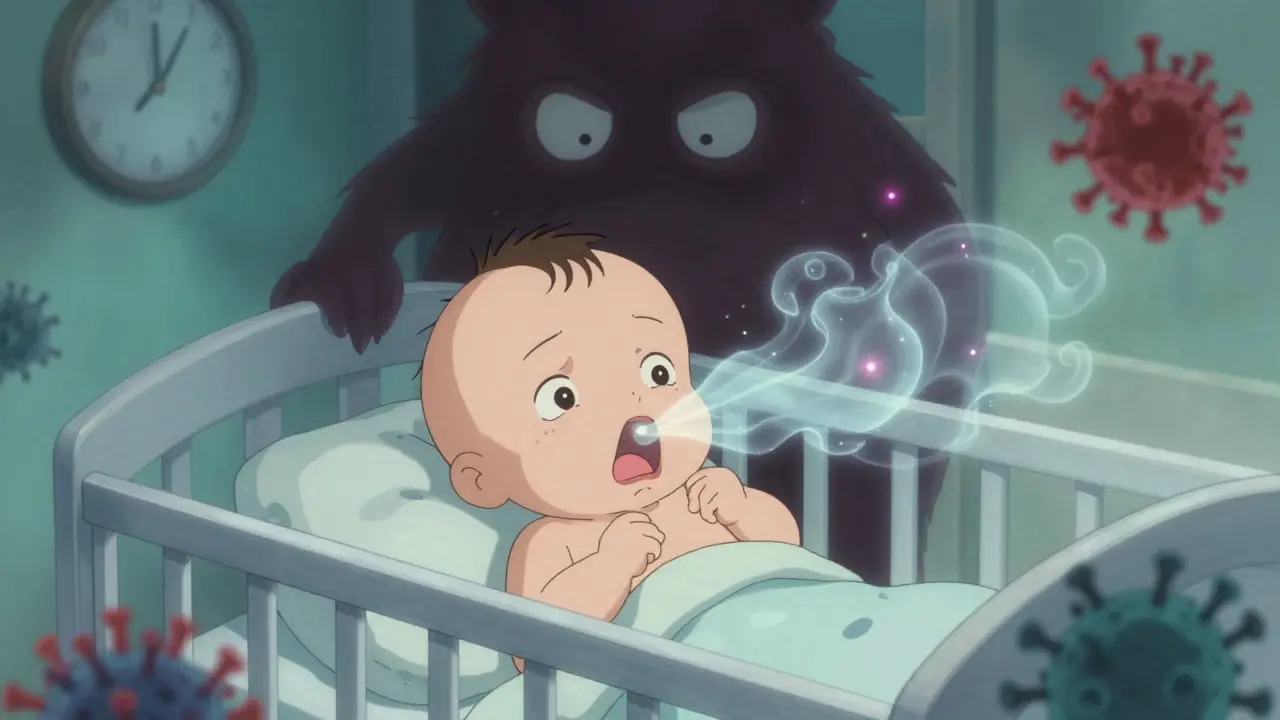
RSV isn't just a bad cold. For babies under one year and adults over 65, it can turn deadly. Every winter, thousands end up in hospitals because of it. In the U.S. alone, RSV sends about 80,000 children under five and 160,000 older adults to the hospital each year. It’s the top reason babies get bronchiolitis and pneumonia. And while most healthy adults shrug it off, for others, it’s a silent threat that can change lives forever.
Why RSV Hits Babies So Hard
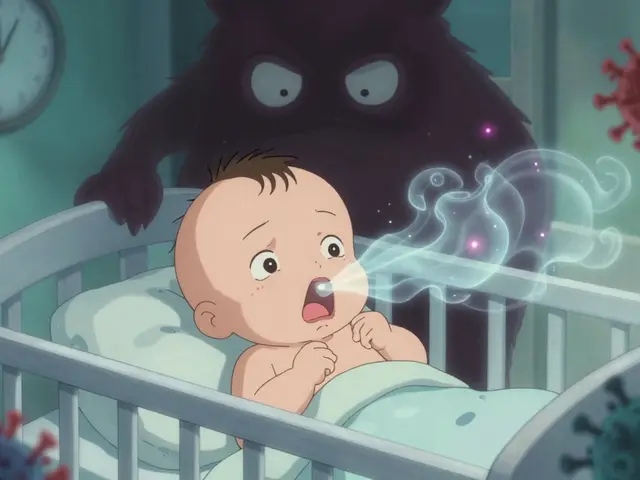
Babies, especially those under six months, have tiny airways and underdeveloped immune systems. When RSV hits, it doesn’t just cause a runny nose-it floods their lungs. About 2-3% of infants under six months end up hospitalized. Premature babies, those born before 29 weeks, are three to five times more likely to need intensive care. Kids with heart or lung conditions face even higher risks-up to 25 times more likely to get seriously ill. Symptoms start like a cold: runny nose, cough, fever. But then things shift. You’ll notice rapid, shallow breathing-more than 60 breaths per minute. Their chest pulls in with every breath, like they’re fighting for air. They stop eating. They become listless. If your baby isn’t wetting diapers as often, or won’t latch during feeding, that’s a red flag. These aren’t just signs of being tired-they’re signs of respiratory distress. RSV doesn’t just cause short-term illness. Children hospitalized with RSV before age two are over four times more likely to develop asthma by age seven. Their lungs never fully recover. Studies show their lung function remains 8-12% lower than peers even into their teens. This isn’t a one-time infection-it’s a lifelong burden for some.Older Adults Are Not Immune
Many assume RSV is just a kid’s virus. That’s wrong. Every year, RSV kills 6,000 to 14,000 adults over 65 in the U.S. It’s more deadly than the flu for this group. The virus doesn’t just attack the lungs-it worsens existing conditions. Over 78% of hospitalized older adults see their COPD, heart failure, or asthma get dramatically worse. Age weakens the immune system. At 75+, hospital stays are 2.3 times longer than for younger adults. Mortality rates jump to over 5%. And recovery isn’t just about healing the lungs-it’s about regaining independence. Nearly half of older adults hospitalized with RSV can’t bathe or dress themselves a month later. One in four ends up in a nursing home. That’s not a side effect-it’s a direct result of the infection. People with chronic lung or heart disease are at the highest risk. Those with COPD are over four times more likely to be hospitalized. Those with heart failure face nearly three times the risk. And if you’re over 75? Your chance of dying from RSV is almost double that of someone in their 60s.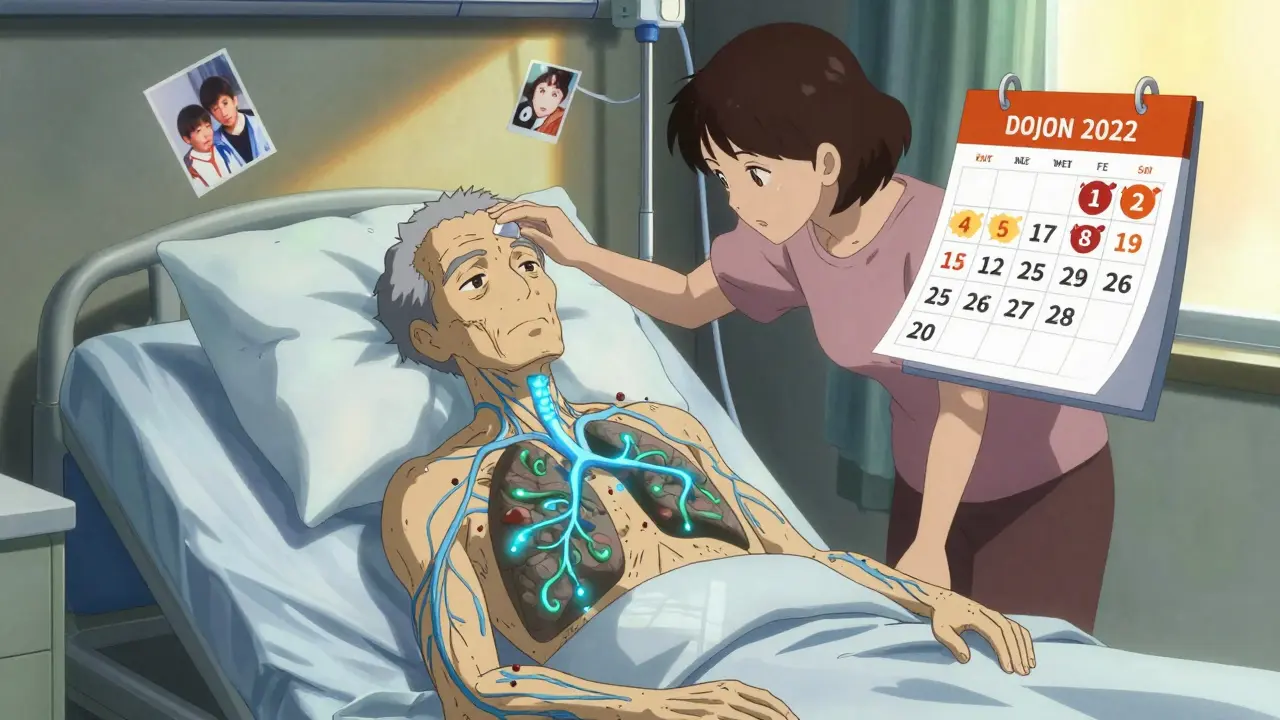
How RSV Spreads-And How to Stop It
RSV is everywhere. It lives on doorknobs, toys, and countertops for up to 10 hours. It spreads through coughs, sneezes, and even by touching your face after shaking hands with someone who’s sick. About 65% of cases come from droplets in the air. Another 25% come from direct contact-like kissing a child with a cold. The simplest defense is washing your hands. Soap and water for at least 20 seconds cuts transmission by 35-50%. If soap isn’t available, alcohol-based sanitizer works too. But don’t just wash your hands-avoid touching your eyes, nose, and mouth. That’s how the virus gets inside. Clean high-touch surfaces daily. Doorknobs, light switches, phones, remote controls-wipe them down with EPA-approved disinfectants. RSV can’t survive long on properly cleaned surfaces. In labs, these cleaners reduce surface transmission by 85-95%. Stay home when you’re sick. Even if you only have a runny nose, you could be spreading RSV to a baby or an elderly person who can’t fight it off. Don’t visit hospitals or nursing homes if you’re unwell. That’s not just polite-it’s lifesaving.The New Tools: Vaccines and Antibodies
For the first time ever, we have real tools to stop RSV before it starts. In 2023, the FDA approved two new vaccines for adults 60 and older. GSK’s Arexvy showed 82.6% effectiveness in preventing severe lower respiratory disease. Pfizer’s Abrysvo was 66.7% effective. Both are single shots, given once before RSV season. The CDC now recommends these vaccines for all adults 60+, especially those with heart or lung disease. Talk to your doctor. This isn’t optional anymore-it’s essential. For babies, there’s a game-changer: nirsevimab (Beyfortus™). It’s a single injection given before RSV season. It protects infants for five months-long enough to cover the worst months. Clinical trials showed it cuts hospitalizations by 75%. The CDC now recommends it for all babies under eight months entering their first RSV season. Babies 8-19 months with high-risk conditions should get it too. This is a massive shift. Before 2023, only premature babies and those with serious health issues got a preventive shot (palivizumab). It required five monthly injections. Nirsevimab is one shot. It’s easier, safer, and works for nearly every baby.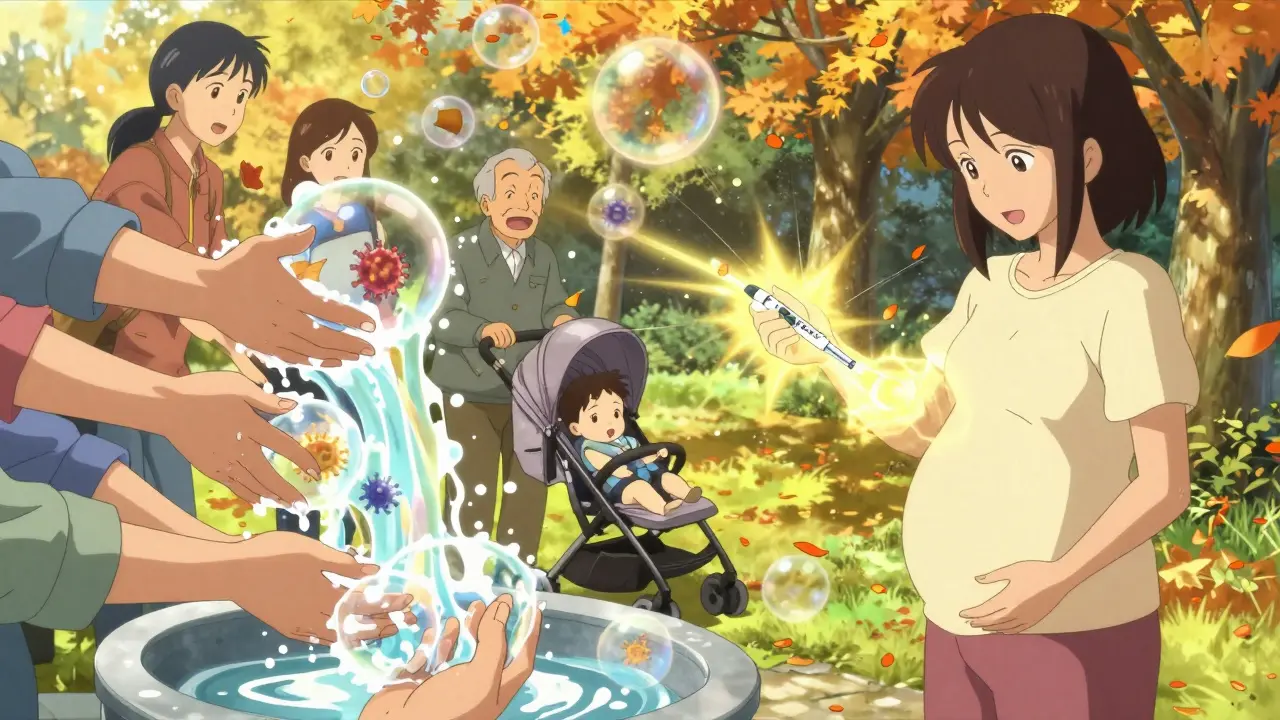
What’s Still Missing
These tools are powerful-but they’re not everywhere. In the U.S., access is improving. But in low-income countries, RSV kills over 97% of the world’s pediatric deaths. Why? No vaccines. No antibodies. No oxygen. No ventilators. In rural Kenya, one in 40 babies with RSV dies. In remote parts of Papua New Guinea, it’s one in seven. The cost is the barrier. Arexvy costs $295 per dose in the U.S. Nirsevimab is even more expensive. For families and health systems in poorer countries, that’s unaffordable. Global efforts are underway to lower prices and expand access, but progress is slow. Maternal vaccination is another breakthrough. Pfizer’s Abrysvo is now approved for pregnant people between 32 and 36 weeks. It passes protection to the baby before birth. In trials, it cut severe RSV in newborns by over 80%. This could be the key to protecting babies too young for injections.What You Can Do Today
You don’t need to wait for a vaccine or antibody shot to protect someone you love. - Wash your hands before holding a baby or touching an older adult’s hand.- Don’t let anyone kiss a baby if they have a cough or runny nose.
- Clean toys, strollers, and high-touch surfaces every day.
- If you’re sick, stay away from infants and elderly people-even if you feel fine.
- If you’re 60 or older, ask your doctor about the RSV vaccine.
- If you’re pregnant, talk to your provider about getting Abrysvo between 32 and 36 weeks.
- If you have a baby under eight months, ask your pediatrician about nirsevimab.
RSV isn’t going away. But it’s no longer unstoppable. We have the tools. We just need to use them.
Can you get RSV more than once?
Yes. You can get RSV multiple times in your life. The first infection is usually the worst, especially in babies. After that, your body builds some immunity, but it doesn’t last. Adults and older kids usually get milder colds with repeat infections. But for infants and older adults, even a second or third infection can be dangerous.
Is RSV the same as the flu or COVID?
No. RSV, flu, and COVID are all respiratory viruses, but they’re different. RSV mostly affects the small airways in the lungs, causing bronchiolitis in babies. Flu hits harder and faster with high fever and body aches. COVID can cause loss of taste or smell and has a longer contagious period. Symptoms overlap, so testing is the only way to know for sure. But prevention-handwashing, staying home when sick, vaccines-is similar for all three.
When is RSV season?
In the U.S. and other temperate regions, RSV season usually starts in the fall, peaks between December and January, and tapers off by spring. But timing can shift. In 2023, some areas saw cases rise as early as September. Always check local health advisories. The best time to get the RSV vaccine or antibody shot is just before season starts-usually August to October.
Can I give my baby over-the-counter cold medicine for RSV?
No. The FDA and American Academy of Pediatrics strongly warn against giving cold or cough medicines to babies under two. They don’t work and can be dangerous. For infants with RSV, focus on keeping them hydrated, clearing nasal mucus with a bulb syringe, and using a cool-mist humidifier. If breathing gets hard, or they’re not eating, go to the doctor immediately.
Are RSV vaccines safe for older adults?
Yes. Both Arexvy and Abrysvo were tested in tens of thousands of adults over 60. Side effects are mild-sore arm, fatigue, headache. Serious reactions are rare. The benefits far outweigh the risks, especially for those with heart or lung disease. If you’ve had a severe allergic reaction to any vaccine ingredient, talk to your doctor first. Otherwise, the CDC says it’s safe for nearly everyone in this age group.


OMG I CAN'T BELIEVE WE'RE STILL LETTING THIS HAPPEN 😭 My cousin's baby got RSV last winter and they had to intubate him... I swear if the government spent half as much on prevention as they do on space rockets, we wouldn't be losing kids to this. 🇺🇸💔 #RSVIsACRIME
This article is dangerously misleading people into thinking vaccines are a silver bullet when in reality Big Pharma is exploiting fear to sell overpriced shots that have not been properly tested for long term effects on infants and seniors I mean just look at the data from the 90s when they tried similar approaches and people ended up with worse outcomes
Bro in India we dont even have access to these fancy vaccines and still we manage. My aunt had RSV last year at 72 and she just drank warm water with ginger and slept it off. No hospital. No shots. Just old school care.
Let me get this straight. We spend billions on flu shots but RSV? We only woke up in 2023? That's not science, that's negligence. And now we're acting like these vaccines are some miracle cure? Please. The real problem is that we treat healthcare like a luxury, not a right.
I work in pediatrics in Mumbai and let me tell ya - the real MVP isn't the vaccine, it's the humble bulb syringe and clean water. We don't have Beyfortus, but we got moms who know how to suction mucus and keep babies upright. That’s what saves lives when the system fails. And yeah, handwashing? Still king. No emoji needed.
I mean, sure, the data is compelling - but let’s be real. This feels like another corporate-driven public health panic dressed up as science. The real cost isn’t just the vaccine - it’s the erosion of natural immunity. We’re creating a generation of fragile humans who can’t even handle a common cold.
Wow. So the CDC recommends vaccines for everyone 60+... but only 12% of seniors got them last year. Why? Because nobody told them. Not because they're skeptical. Because the system failed to communicate. And now we're blaming the elderly for not being proactive? That's not just lazy - it's criminal.
You people are idiots. RSV isn't killing babies - the healthcare system is. If you had decent pediatric care, oxygen, and hydration, 90% of these hospitalizations wouldn't happen. Stop buying into the vaccine myth and fix the damn infrastructure. Also, why is Beyfortus $1k? That's price gouging with a side of genocide.
In India, we have a beautiful tradition of elders taking care of babies - warm oil massages, herbal steam, and never letting them near a sick person... and yet, we still lose too many... I think the real solution lies in blending ancient wisdom with modern science - not replacing one with the other.
It’s funny how we fear death so much now... but we’ve forgotten how to live with it. RSV isn’t evil. It’s nature. We just lost the ability to accept loss as part of life. We want a pill for everything - even grief.
I'm just saying... if your kid gets RSV, maybe you shouldn't have taken them to the mall during flu season. Like... basic parenting?