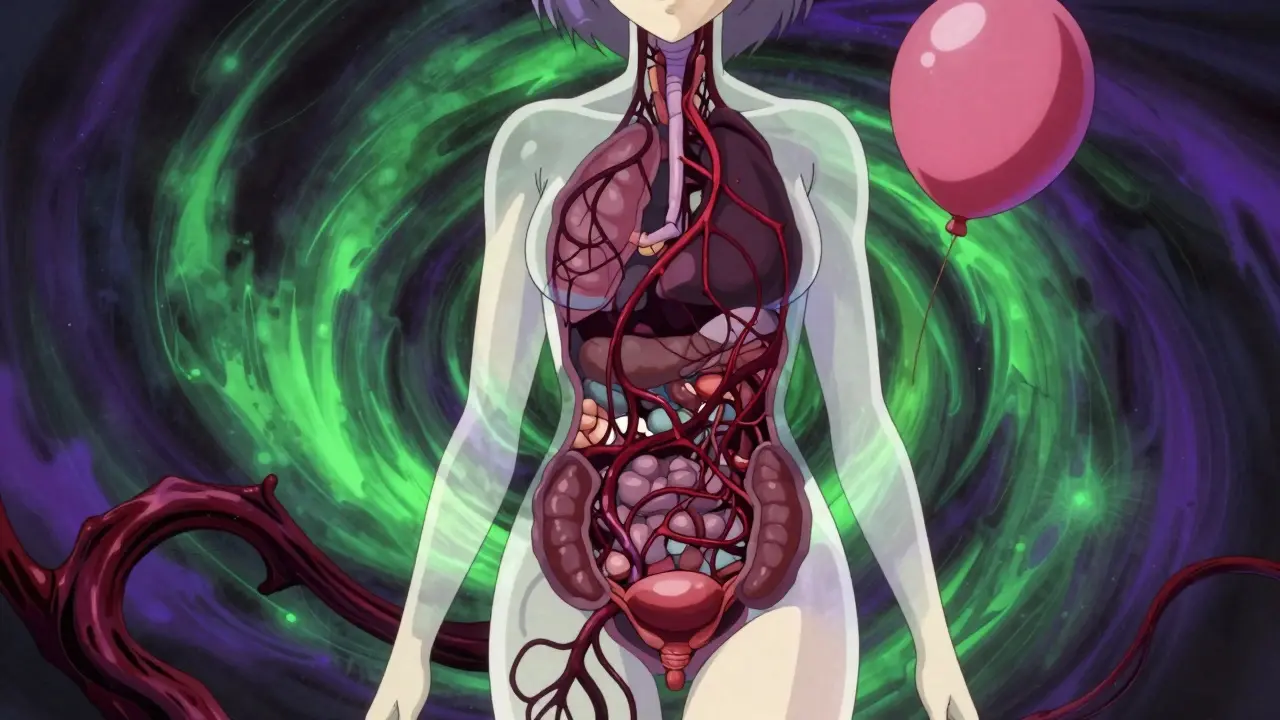
If you have been told your pelvic pain is "all in your head" or that it’s just a recurring urinary tract infection, you are not alone. For millions of women, the journey to understanding why they hurt is long, confusing, and often marked by years of misdiagnosis. Two conditions stand out as particularly tricky culprits: Endometriosis, where tissue similar to the uterine lining grows outside the uterus, and Interstitial Cystitis (IC) or Painful Bladder Syndrome (BPS), a chronic condition causing bladder pain without an identifiable infection.
Doctors often call these two conditions the "evil twins" of pelvic pain. They share symptoms, they frequently occur together, and they are notoriously difficult to distinguish. But here is the critical truth: treating one when you actually have the other won’t work. In fact, it might make things worse. Understanding the difference between endometriosis and interstitial cystitis is the first step toward getting relief.
The Overlap: Why It’s So Hard to Tell Them Apart
The reason so many women spend years bouncing between specialists is that endometriosis and IC look almost identical on the surface. Both cause chronic pelvic pain. Both make you want to run to the bathroom constantly. Both can make sex painful. If you only look at the symptoms, it is easy to see why doctors get confused.
Research backs up this confusion. A pivotal study published in 2011 by Chung et al. looked at 178 women with chronic pelvic pain. The results were staggering: 75% had biopsy-proven endometriosis, 89% had IC, and a massive 65% had both conditions simultaneously. This high rate of comorbidity means that ruling out one does not mean you don’t have the other. You could have both, and treating only one will leave half the problem untouched.
| Feature | Endometriosis | Interstitial Cystitis (IC/BPS) |
|---|---|---|
| Primary Cause | Ectopic endometrial-like tissue growth | Chronic bladder inflammation/dysfunction |
| Pain Pattern | Cyclical; worsens during menstruation (92% of cases) | Constant; may flare around periods but generally steady |
| Blood in Urine | Possible if bladder is involved (20-30% of bladder endo cases) | Rare (<5% of pure IC cases) |
| Diagnosis Method | Laparoscopic surgery with biopsy (Gold Standard) | Diagnosis of exclusion (ruling out other causes) |
| Affected Population | ~10% of reproductive-aged women globally | 3-8% of women |
While the overlap is real, there are subtle clues. Endometriosis pain is typically cyclical, meaning it gets significantly worse during your period. About 92% of women with endometriosis report this worsening during menstruation. IC pain, on the other hand, tends to be more constant throughout the month, though about 45% of IC patients do experience flares during their period. Another major differentiator is blood in the urine (hematuria). If you see blood in your urine, it is rare for pure IC, but it happens in 20-30% of cases where endometriosis has invaded the bladder wall.
How Doctors Diagnose Each Condition
The diagnostic paths for these two conditions are completely different, which adds another layer of frustration. For endometriosis, the only definitive way to know for sure is through laparoscopic surgery followed by a histological examination (biopsy). This is considered the gold standard. However, this procedure is invasive, expensive (costing between $5,000 and $15,000 in the US), and requires weeks of recovery. Because of this, many doctors hesitate to recommend it immediately, leading to the infamous 7-10 year average delay in diagnosis.
For interstitial cystitis, there is no single test that says "yes, you have IC." Instead, it is a diagnosis of exclusion. Doctors must rule out every other possible cause of bladder pain, including urinary tract infections (UTIs), bladder cancer, sexually transmitted infections, and kidney stones. This process involves urinalysis, urine cultures, and often a cystoscopy (looking inside the bladder with a camera). Some doctors use the Potassium Sensitivity Test (PST), which has an 80% sensitivity rate, but it still yields false negatives in 20% of cases. According to Cleveland Clinic guidelines, a patient must have chronic bladder pain for at least six weeks without an identifiable cause before IC is even considered.
This discrepancy creates a dangerous loop. Because IC is diagnosed by ruling things out, and because endometriosis cannot be seen on standard ultrasounds or MRIs easily, many women are diagnosed with IC simply because no UTI was found. Dr. Robert Moldwin, a urology professor, noted that up to 80% of patients initially diagnosed with IC actually have undiagnosed endometriosis affecting pelvic structures. Essentially, the bladder pain is a symptom of the endometriosis, not a separate bladder disease.
The Role of Pelvic Floor Dysfunction
There is a third player in this complex equation: pelvic floor dysfunction. Whether you have endometriosis, IC, or both, your body reacts to chronic pain by tightening the muscles in your pelvis. This is a protective mechanism, but it becomes counterproductive over time. Tight, spasming pelvic floor muscles cause more pain, more urgency to urinate, and more discomfort during sex.
Dr. Jessica W. Shepherd points out that pelvic floor dysfunction is present in 92% of patients with either condition. It acts as both a primary pathology and a secondary complication. This is why physical therapy is often a crucial part of treatment, regardless of the root cause. Ignoring the muscular component while focusing solely on the bladder or the endometrial tissue often leads to poor outcomes. A comprehensive approach treats the tissue damage, the bladder inflammation, and the muscle tension.

Treatment Approaches: One Size Does Not Fit All
Because the underlying mechanisms differ, the treatments diverge significantly. Misdiagnosis leads to ineffective treatment. If you have endometriosis but are treated for IC, you might take medications that calm the bladder but do nothing for the inflammatory lesions growing on your organs. Conversely, if you have IC but undergo surgery for suspected endometriosis without finding any lesions, you have endured unnecessary surgical risks without solving the bladder pain.
- Endometriosis Treatments: Often involve hormonal suppression (birth control pills, progestins) to stop the growth of ectopic tissue, or surgical excision to remove the lesions entirely. Deep excision surgery is preferred over ablation for better long-term outcomes.
- IC Treatments: Focus on managing bladder symptoms. This includes dietary changes (avoiding acidic foods like citrus and coffee), oral medications like amitriptyline or pentosan polysulfate sodium (Elmiron), bladder instillations (DMSO), and nerve stimulation therapies.
It is worth noting the controversy surrounding Elmiron, the first FDA-approved drug for IC. While it helped many, recent litigation has highlighted retinal toxicity risks in long-term users. This underscores the need for careful monitoring and exploring alternative therapies, such as physical therapy and dietary modifications, which carry fewer risks.
Navigating the System: Tips for Patients
If you are struggling with pelvic pain, how do you break through the diagnostic fog? First, keep a detailed voiding diary and pain journal for at least three weeks. Record when you urinate, how much, what you ate and drank, and where you are in your menstrual cycle. Note the intensity of your pain. This data is invaluable for specialists.
Second, seek out specialists who understand the overlap. General practitioners and even some general OB/GYNs may not be familiar with the latest guidelines. Look for a gynecologist trained in deep excision surgery for endometriosis and a urogynecologist for bladder issues. The International Pelvic Pain Society recommends a multidisciplinary approach, where both specialties evaluate you simultaneously. This "dual-diagnosis" protocol is becoming the new standard of care, aiming to reduce the decades-long delays we currently see.
Finally, advocate for yourself. Medical gaslighting is real. Surveys show that 76% of IC patients have been told their pain is psychological. Do not accept vague answers. Ask specific questions: "Have we ruled out endometriosis?" "Could my bladder pain be referred pain from pelvic adhesions?" "Should I see a pelvic floor physical therapist?" Your pain is valid, and finding the right combination of treatments is possible, even if it takes time.
Can you have both endometriosis and interstitial cystitis?
Yes, it is very common. Studies suggest that up to 65% of women with chronic pelvic pain have both conditions. They are often called the "evil twins" because they share symptoms and frequently co-occur. Treating only one may not resolve all your pain.
What is the difference between IC and a UTI?
A urinary tract infection (UTI) is caused by bacteria and usually responds to antibiotics within a few days. Interstitial cystitis (IC) is a chronic condition with no bacterial infection. Antibiotics do not cure IC. If you are prescribed antibiotics repeatedly for "recurrent UTIs" but tests come back negative for bacteria, you may have IC or endometriosis.
How is endometriosis definitively diagnosed?
The gold standard for diagnosing endometriosis is laparoscopic surgery followed by a biopsy. Imaging tests like ultrasounds or MRIs can sometimes detect large cysts (endometriomas), but they often miss superficial or deep infiltrating lesions. Only visual inspection and tissue sampling during surgery can confirm the diagnosis.
Does diet affect interstitial cystitis?
Yes, diet plays a significant role in managing IC symptoms. Many patients find that acidic foods (citrus fruits, tomatoes), caffeine, alcohol, spicy foods, and artificial sweeteners trigger bladder flares. Keeping a food diary can help identify personal triggers.
Why is there such a long delay in diagnosis?
Diagnostic delays average 7-10 years for endometriosis and 3-5 years for IC. This is due to the overlap in symptoms, lack of non-invasive diagnostic tests, historical dismissal of women's pain, and limited training among general practitioners regarding these complex conditions.