Dec 29, 2025
Chronic Cough Workup: How to Diagnose GERD, Asthma, and Postnasal Drip

RSV is a serious threat to infants and older adults, causing thousands of hospitalizations each year. Learn how it spreads, who’s most at risk, and the latest prevention tools like vaccines and monoclonal antibodies.

Strep throat is a bacterial infection that needs antibiotics to prevent serious complications. Learn how it’s diagnosed, which antibiotics work best, and what to expect during recovery - with updated 2025 guidelines.

Physical therapy for pain uses exercise, stretching, and movement to reduce discomfort and restore function-without drugs. Proven to cut pain by up to 75% in weeks, it’s the smart, lasting solution for back pain, arthritis, and more.

Learn the warning signs of high blood sugar, how to tell if it's becoming an emergency, and what steps to take immediately to prevent diabetic ketoacidosis or hyperosmolar hyperglycemic state. Essential for anyone with diabetes.

Chronic cough lasting over 8 weeks is often caused by GERD, asthma, or postnasal drip. Learn how to diagnose and treat these three common causes with a simple, step-by-step approach backed by current medical guidelines.
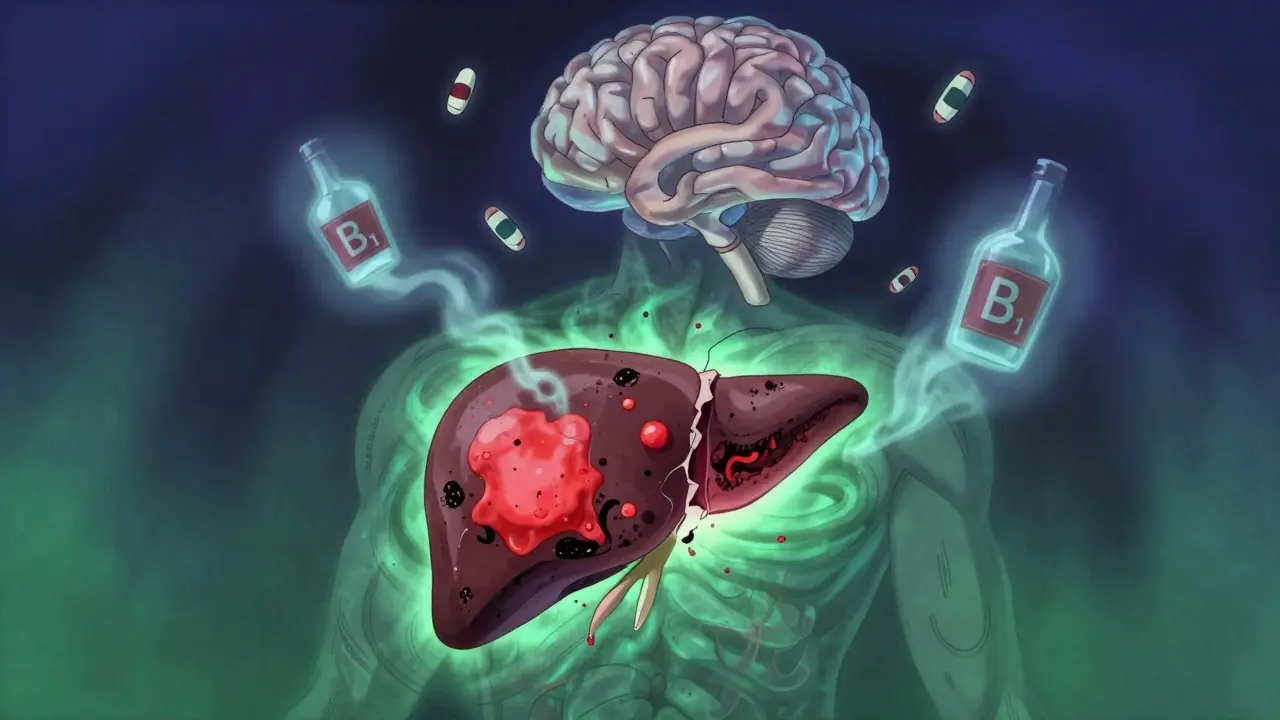
Chronic Alcohol Use Disorder is a serious medical condition that damages your liver, brain, heart, and mental health. Learn the risks, how treatment works, and why recovery is possible-even after years of heavy drinking.

Melatonin isn't a sleeping pill - it's your body's natural signal for nighttime. Learn how it really works for jet lag, delayed sleep, and shift work - and why taking too much can make sleep worse.

Interstitial lung disease causes progressive lung scarring that makes breathing harder. Learn about the causes, symptoms, and modern treatments-including new drugs like zampilodib-that can slow progression and help you live better.
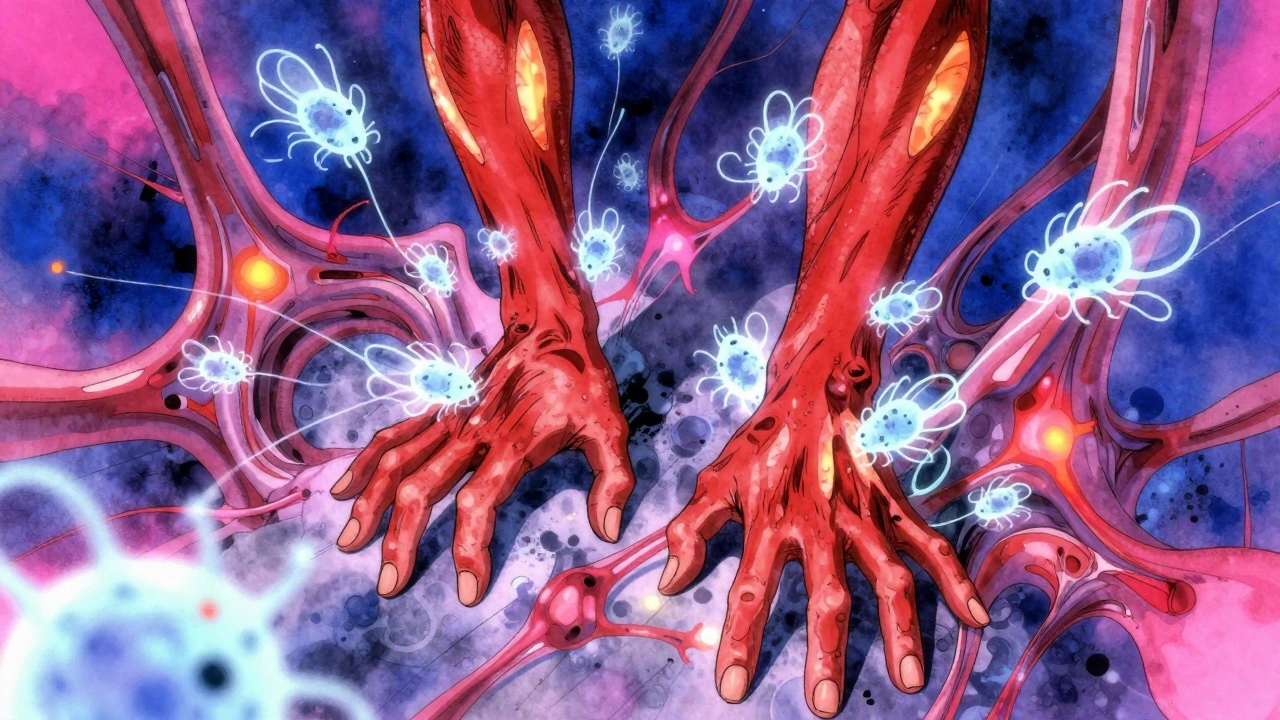
Psoriatic arthritis links skin and joint inflammation through immune system dysfunction. Learn the key signs - like sausage-like swelling and nail changes - and how modern treatments can prevent damage and restore quality of life.
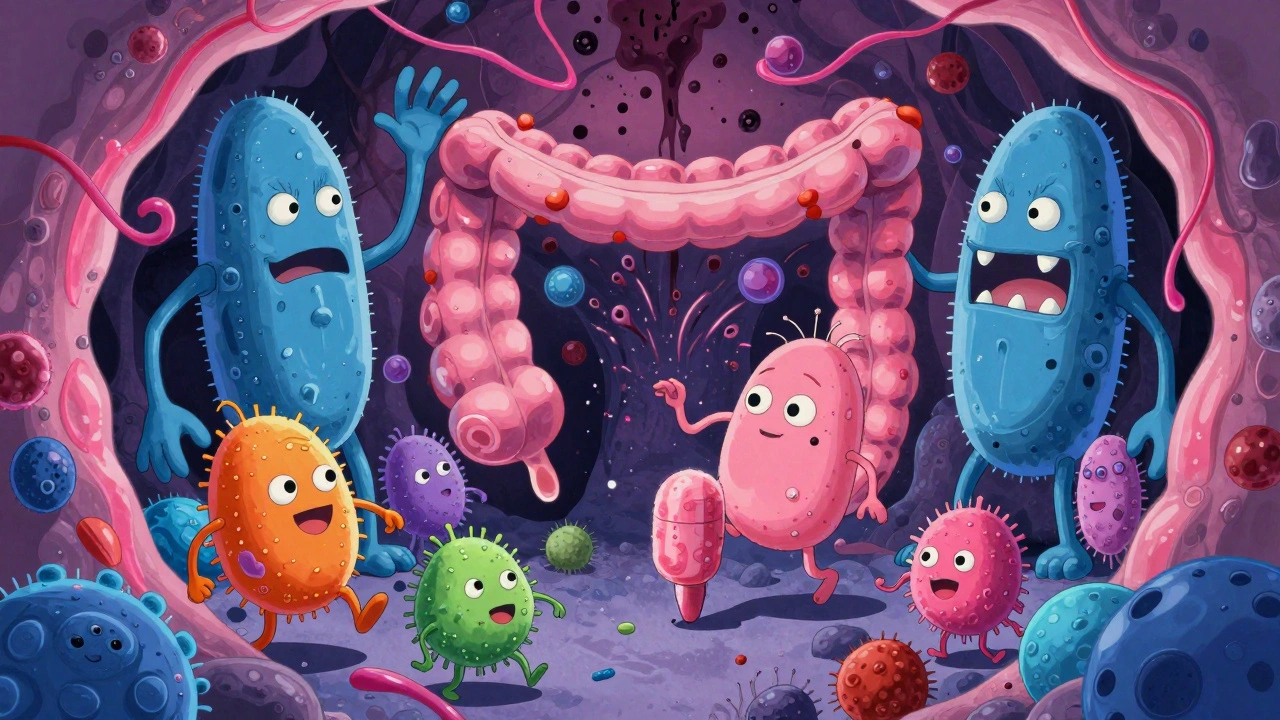
C. difficile colitis is a dangerous infection triggered by antibiotics. Learn which drugs raise your risk, why recurrent cases happen, and how fecal transplants offer a powerful cure-backed by science and real patient outcomes.